

Review · DAY TRIPS FROM THESSALONIKI
From Thessaloniki: Aigai Royal Tombs & Pella Museum Day Trip
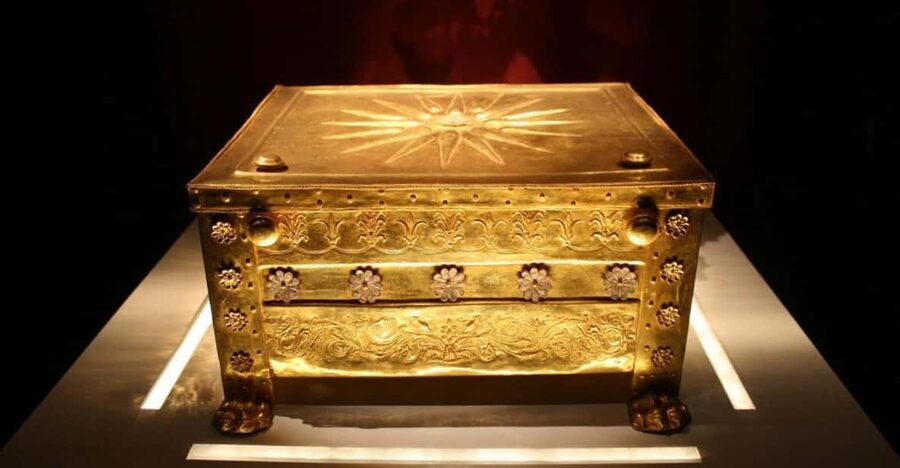
The most striking part of this trip is the Royal Tomb of Philip II, father of Alexander the Great. Inside the underground museum, you see the king’s gold wreath, armor, shield, burial chest, and other objects found in the tomb. Then you continue to Pella, the Macedonian capital where Philip and Alexander built their power.
I like the easy pickup anywhere in Thessaloniki and the small group, limited to eight people. I also like having both a first-rate museum and open ruins at Pella, since the museum shows the objects and the site helps you understand the city itself. The main drawback is time: five hours is enough for a strong overview, but not enough to examine every display or wander slowly through both sites.
Key points to know before booking
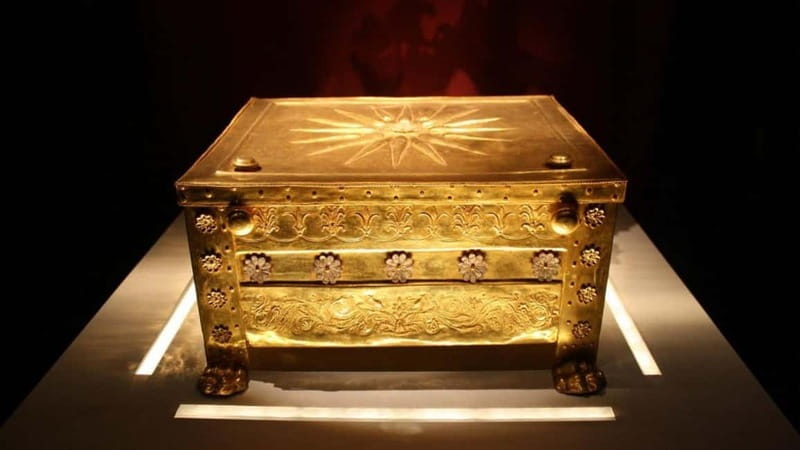
- Philip II’s gold and burial chamber: Vergina displays the famous golden chest, oak-leaf wreath, armor, and other royal objects in an underground museum.
- Two sides of ancient Macedonia: Pella gives you both an archaeological museum and the remains of the old capital.
- Alexandros Karaperidis as guide: He drives and explains Macedonian history, Alexander’s family, local culture, and competing ideas about the ancient past.
- A compact five-hour outing: Plan on roughly 80 minutes at Vergina, one hour in the Pella Museum, and 30 minutes at the archaeological site.
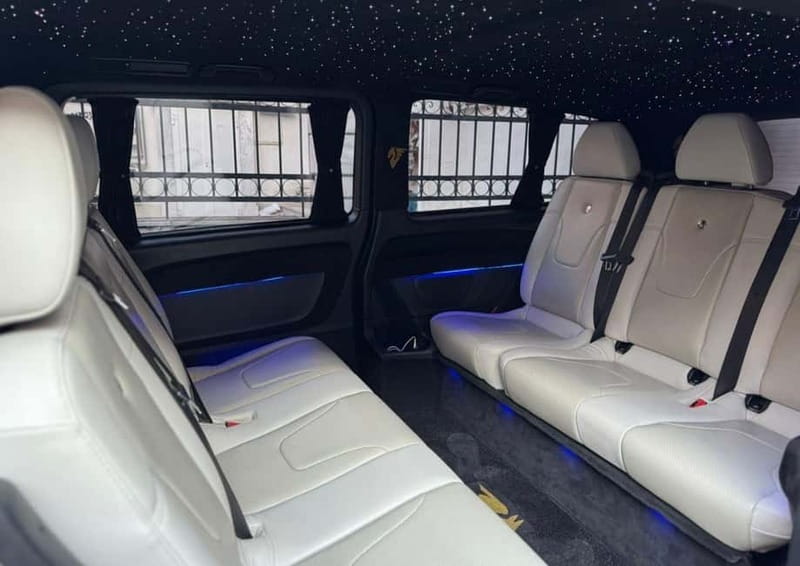
- Small-group comfort: Pickup and drop-off are included, with a private car or van for groups of up to eight.
- Extra costs matter: The $129 price does not include €12 for Vergina or €8 for the Pella museum and site.
Why Vergina belongs on your Thessaloniki plans
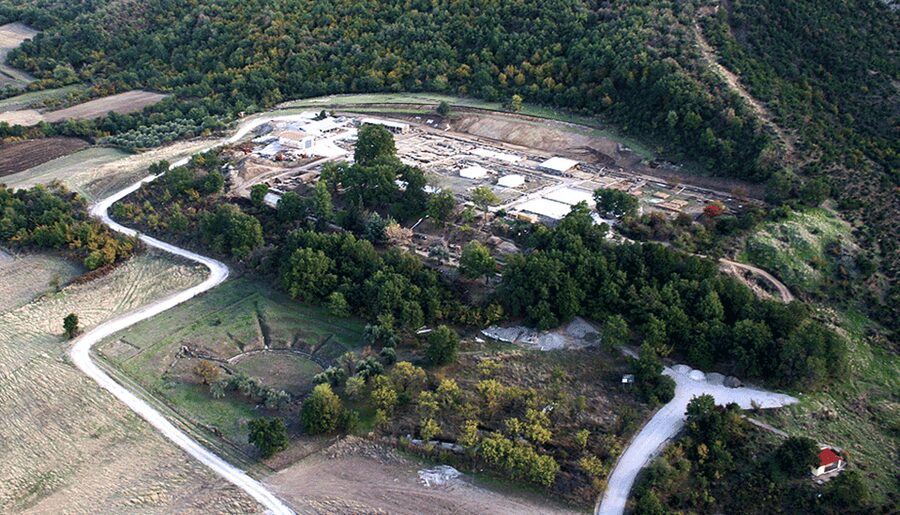
From Thessaloniki, the road leads west toward Vergina, the modern village built near ancient Aigai. Aigai was the first capital of ancient Macedonia until the capital moved to Pella around 400 BC. It was also the burial place associated with the Macedonian kings.
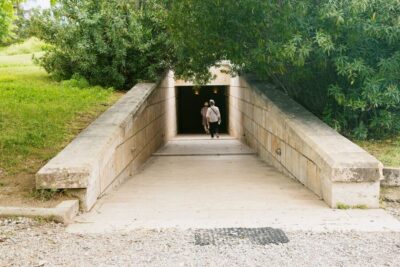
The site became famous after the discovery of the royal tombs in 1977 and 1978 by Greek archaeologist Manolis Andronicos. That discovery changed the way people understood the Macedonian royal court. You are not simply looking at a ruined building here. You are entering a purpose-built underground museum that protects the tombs and the objects found inside them.
The 80-minute visit is well judged for a first look. You can watch the video presentations, walk through the darkened museum, and spend time with the royal objects. The atmosphere is quiet and controlled, which suits a burial site better than a large open-air ruin would.
The tomb linked with Philip II is the star. You can see the golden chest said to have held his bones, which had been washed with wine and wrapped in purple cloth. The details make the burial feel personal rather than abstract. This was not just a powerful king from a schoolbook. It was a ruler whose remains were treated with elaborate care.
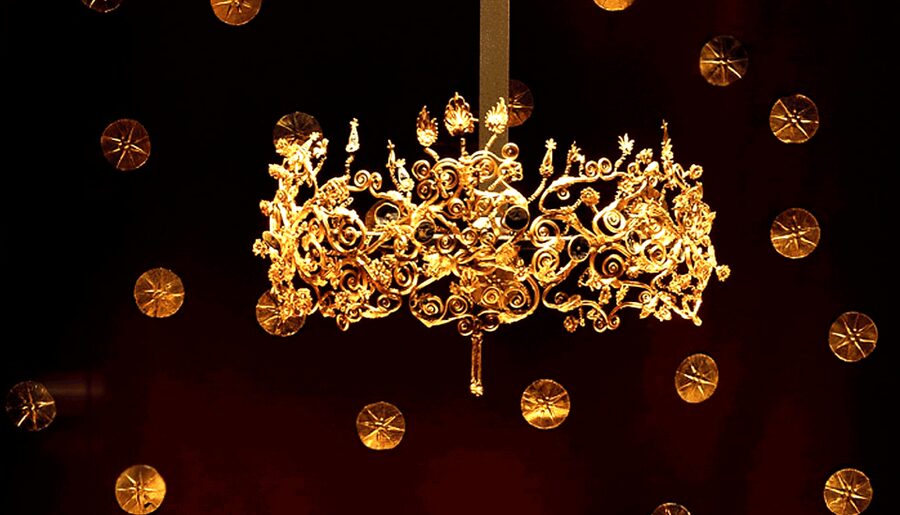
Look for the golden oak-leaf wreath, the gold diadems, the gold-trimmed iron breastplate, the decorated shield, the gold-plated collar, and the silver burial urns. The craftsmanship is impressive, but the display also helps you picture the ceremony, wealth, and military culture of the Macedonian court.
You should keep moving at a steady pace. An hour is enough to see the main material and the video presentations, but you will not have time to study every label closely. If ancient art and burial customs are your main interests, the 80-minute stop may feel short.
More Museum Days in Greece:
- From Athens: Small-Group Delphi, Museum & Arachova Day Trip
★ 4.8 · 2,476 reviews - Premium Delphi Day Trip with an Expert Guide, Museum & Lunch
★ 4.5 · 1,100 reviews - Hurghada: Cairo Pyramids, Sphinx & Egyptian Museum Day Trip
★ 4.7 · 2,271 reviews
What the Philip II connection adds
Many day trips mention Alexander the Great and then rush past the people who made his success possible. This one gives proper attention to Philip II, Alexander’s father. Philip turned Macedonia into a stronger kingdom and built the military and political base that Alexander later used for his conquests.
That family connection gives Vergina real weight. You are looking at the burial place of the ruler who shaped the kingdom before Alexander took power. The gold and armor are memorable, but the political story is just as important.
Your guide, Alexandros Karaperidis, is particularly useful here. He is an English-speaking driver-assistant with a strong interest in Philip, Alexander, Macedonian politics, and the stories surrounding the tombs. He also discusses archaeological theories and the power struggles of the period, so the visit can feel more like a guided conversation than a string of memorized dates.
Do keep one thing in mind: the guide is not described as a licensed archaeologist or formal museum lecturer. The strength of this setup is the mix of transport, historical explanation, and personal attention. You will still want to read the museum material for the fine details.
Pella explains the Macedonian capital

After Vergina, the route continues to Pella, about 45 kilometers from Thessaloniki. Pella became the capital of ancient Macedonia after Aigai and is closely tied to Philip II and Alexander the Great.
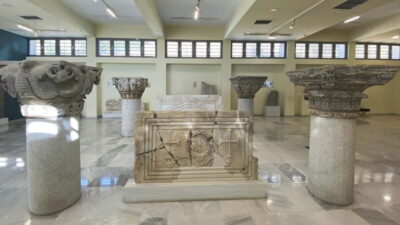
The first Pella stop is the Archaeological Museum, with about an hour inside. This is where you get a clearer picture of daily life in the capital. The museum helps connect the royal story from Vergina with the homes, public spaces, objects, and customs of the wider city.
The museum is arranged across several floors, so you need to make choices. An hour lets you see the main displays, but it is not enough to read every panel or linger over every object. I would focus first on the exhibits that help explain how Pella worked as a city, then return to anything that catches your eye.
The Pella Museum and the Vergina museum serve different purposes. Vergina is concentrated and dramatic, with a royal burial and extraordinary precious objects. Pella is broader, showing how a Macedonian capital functioned beyond the palace and tomb.
That contrast is one of the best reasons to visit both sites in one day. You see the ruling family at Vergina, then gain a better sense of the city and society that supported Macedonian power at Pella.
Walking through the ruins at Pella
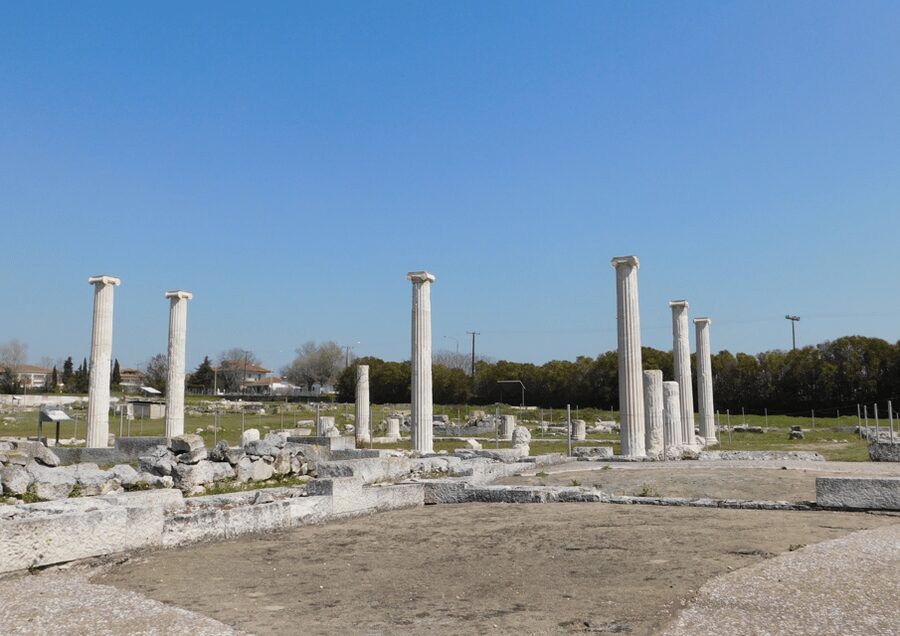
The archaeological site receives about 30 minutes. That is brief, but enough for a purposeful walk. You can see the remains of the ancient city and begin to understand its planning instead of viewing the museum objects in isolation.
If you walk all the way toward the ruins of the Temple of the Mother of the Gods, the time goes quickly. If you remain near the closer part of the agora, you will have more time to look around and listen to the guide.
This is the part of the outing where practical shoes and sun protection help. The paths include unpaved sections, and one account of the trip specifically advises dressing for walking in the sun. The site is not the place for a rushed transfer in sandals you cannot walk in comfortably.
Pella does not offer the same concentrated visual impact as the royal tombs. Its value is different. You are using the open site to understand scale, planning, and everyday life in the Macedonian capital. The museum supplies the detail; the ruins supply the physical setting.
I would not book this trip expecting long, leisurely archaeological exploration. The schedule is designed to give you a useful introduction to two major sites in one outing. That works well if you have limited time in Thessaloniki, but less well if you prefer to spend half a day at one museum.
More Day Trips in Greece:
- Athens: Cape Sounion & Poseidon Temple Sunset Half-Day Trip
★ 4.8 · 8,241 reviews - Athens: Meteora Monasteries Day Trip with Caves and Lunch
★ 4.7 · 4,670 reviews - Crete: Day Trip to Agios Nikolaos and Spinalonga Island
★ 4.6 · 4,416 reviews - Santorini: Luxury Catamaran Day Trip with Meal and Open Bar
★ 4.8 · 3,678 reviews
The guide and the ride from Thessaloniki
Pickup is included from any location in Thessaloniki, and the group travels by private car or van. The group limit is eight people, though the actual group may be smaller. When only two people are booked, the outing can feel close to a private tour.
Alexandros Karaperidis receives the strongest praise in the supplied material. His appeal is not only that he knows the dates and names. He talks about Alexander’s family, ancient mythology, the political conflicts of the period, archaeological theories, and present-day Greek culture.
That matters during the drives. The road time becomes part of the visit rather than dead time between sites. You can ask questions, fill in gaps, and get local context that a larger coach tour may not provide.
The driving itself has also been described as safe and attentive. One practical note is worth keeping in mind: pickup can occasionally run late, and road disruptions such as farmer protests have caused major changes to timing. In one case, blocked roads required alternate routes and made the return journey longer. The driver managed the problem, but better updates would have made the delay easier to handle.
So leave some flexibility in your Thessaloniki plans. The advertised duration is five hours, while the full outing can run closer to five or six hours. It may also take longer if road conditions change.
Is $129 a fair price?
The listed cost is $129 per person. For that price, you receive private pickup and return in Thessaloniki, transport, an English-speaking driver-assistant, a bottle of water, and taxes and fees connected with the service.
You must add €12 for the Museum of the Royal Tombs of Aigai and €8 for the Archaeological Museum and archaeological site at Pella. That brings the required entrance fees to €20 per person, paid separately.
The value depends on what you would otherwise arrange yourself. You are paying for a half-day vehicle, door-to-door transport, a small group, and a guide who can connect the two locations. If you only want transportation, the price may seem high. If you want someone to handle the route and explain the period while you travel, it is easier to justify.
The small group is important. A vehicle for up to eight people allows more room for questions and adjustments than a large coach. Several outings became private or nearly private when fewer people booked, though you should not assume that will happen on your date.
Lunch is not included, so plan to eat before or after the tour or ask the provider how the day will be handled. The supplied details do not promise a meal stop, and the five-hour schedule leaves limited time for a long lunch.
Free cancellation is available up to 24 hours before departure, and you can reserve now and pay later. The activity is also listed as wheelchair accessible, though the open archaeological paths and walking conditions are worth discussing with the provider before booking if you have specific mobility needs.
Who will enjoy this trip most?
I would choose this outing if you are staying in Thessaloniki and care about ancient Macedonia, Philip II, Alexander the Great, archaeology, or Greek political history. It is also a good fit if you want to see major sites without renting a car or sorting out regional transport.
Families can benefit from the private vehicle and the guide’s willingness to answer questions. The schedule is compact enough to avoid an all-day commitment, though young children may find the tomb museum and several floors of museum displays demanding.
History-focused visitors should be pleased, but serious archaeology enthusiasts may want more time at each stop. If you prefer to photograph every corner, read every label, and pause at each ruin, this schedule will feel tight.
The trip also suits people who like a guide with opinions and stories. Alexandros is described as sharing his own theories about ancient power struggles and archaeological questions. That can make the journey lively, but you should separate interpretation from information presented directly by the museums.
Practical timing tips for a better visit
Start by giving Vergina your full attention. The tomb museum is the emotional center of the day, and the video presentations help establish the setting before you move among the objects.
At Pella, decide how you want to use your hour in the museum. If you enjoy objects and display cases, stay inside for the full museum visit. If you want a stronger sense of the city, save your energy for the outdoor site and keep the museum visit focused.
At the archaeological site, walk toward the Temple of the Mother of the Gods if the path and time allow. If the sun is strong or your mobility is limited, staying nearer the entrance may be the sensible choice.
Wear shoes suitable for unpaved paths, carry sun protection, and bring patience for a schedule that can change. Road conditions have affected this route before, and the return to Thessaloniki may take longer than planned.
Should you book the Vergina and Pella day trip?
Book it if you want the clearest, easiest introduction to ancient Macedonia from Thessaloniki. The combination of Philip II’s tomb, Pella’s museum, and the open ruins gives you three different ways to understand the period. The small group and Alexandros Karaperidis’s enthusiasm add real value.
Skip it if you want a slow archaeological study day or dislike fixed schedules. The museums deserve more than the available time, and the entrance fees add €20 to the advertised price.
For most first-time visitors with only a few days in Thessaloniki, I would make room for it. You will see the objects that make the Macedonian royal story memorable, then walk through the former capital that helped produce that story.
FAQ
How long does the tour last?
The stated duration is five hours, but the full outing can sometimes take five to six hours. Road conditions may make the return journey longer.
Where does pickup take place?
Pickup and drop-off are available from any location in Thessaloniki, including your hotel, using a private car or van.
Which sites are included?
The tour visits the Royal Tombs of Aigai in Vergina, the Archaeological Museum of Pella, and the archaeological site of Pella.
How much are the entrance fees?
The entrance fee for the Museum of the Royal Tombs of Aigai is €12. The Archaeological Museum and archaeological site at Pella cost €8 together.
Are entrance fees included in the $129 price?
No. Entrance fees are not included. The price includes transport, the English-speaking driver-assistant, a bottle of water, taxes, and pickup and drop-off.
Who guides the tour?
The tour includes an English-speaking driver-assistant. Alexandros Karaperidis is the guide named in the supplied tour information and is known for discussing Philip II, Alexander the Great, Macedonian history, and local culture.
How large is the group?
The activity is a small-group tour limited to eight participants. Depending on bookings, the group may be smaller.
Is the tour wheelchair accessible?
The activity is listed as wheelchair accessible. Because the Pella archaeological site includes outdoor and unpaved walking areas, discuss your specific needs with the provider before booking.
Can I cancel the booking?
You can cancel up to 24 hours in advance for a full refund. The activity also allows you to reserve now and pay later.
Just written up around Greece
- From Mykonos: Full-Day Trip to Tinos Island★ 4.1 · 51 reviews
- Thessaloniki: Kavala, Philippi, and Beach Full Day Trip★ 4.8 · 85 reviews
- From Skiathos Marina: Yacht Sailing Day Trip with Lunch★ 4.8 · 180 reviews
- Skiathos: Wooden Sailboat Full- or Half-Day Trip with Meal★ 5.0 · 88 reviews
- Santorini: Mythical Day Trip to Akrotiri with Volcano Cruise★ 3.8 · 23 reviews
- Rhodes: Lindos Village Day Trip★ 4.6 · 34 reviews
- Rhodes: Day Trip to Symi Island by Fast Boat★ 4.6 · 292 reviews
- Rethymno: Glyka Nera, Loutro, & Sfakia Day Trip★ 4.7 · 95 reviews
Day Trips from Thessaloniki, side by side.

Lists this day trip turns up in