
Review · DAY TRIPS FROM THESSALONIKI
Thessaloniki: Vergina and Pella Day Trip
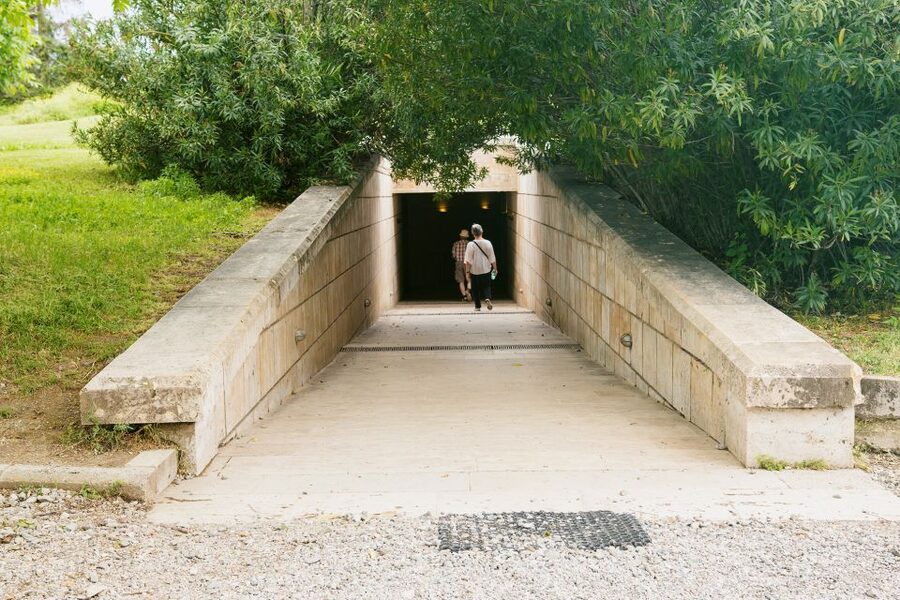
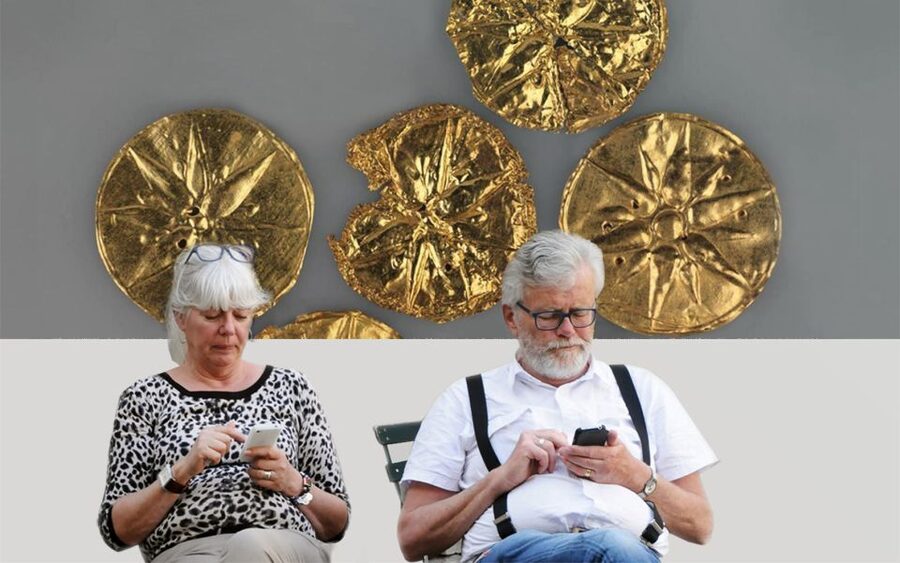
The most powerful moment comes at Vergina, where Philip II’s royal tombs sit inside a dark, purpose-built museum. Gold, ivory, armor, and the famous 16-rayed Macedonian sun are displayed close to the burial chambers. This is not just another open-air ruin. It feels like a royal discovery preserved in place.
I like the strong mix of museum time and outdoor archaeology, especially at Pella, where remarkable mosaics sit beside the remains of the ancient market. I also like the guides’ historical introductions. Eva, Stelios, Lazaros, Eleni, and Yannis have all been singled out for clear, engaging explanations, with some guides offering an archaeologist’s view of the sites.
The drawback is time. Pella’s museum and archaeological site each receive about an hour, and several people would prefer more time in the museum and less at the tombs. You also pay about €40 in entrance fees on top of the tour price, unless you qualify for free or reduced admission.
Key points to know before you book
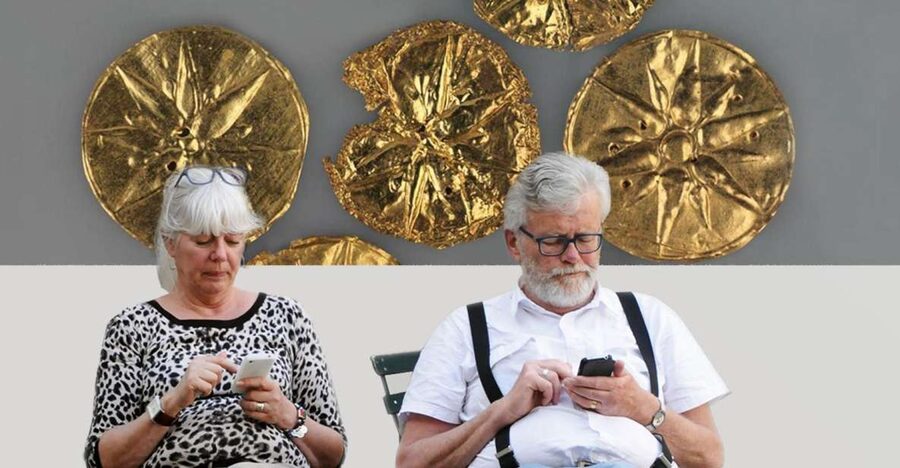
- Philip II’s tomb is the emotional high point: The Golden Larnax, oak wreath, weapons, and grave goods are shown inside the burial mound.
- Pella is partly self-guided: Your guide gives background, but you explore the museum and archaeological site on your own.
- The new Aigai Museum adds a wider picture: Look for Macedonian coins, sculptures, phalanx equipment, royal jewelry, and banquet vessels.
- The trip lasts 8.5 hours: Expect roughly one-hour road legs, site visits, and a one-hour lunch stop.
- Admission is extra: The listed cost is €20 for Vergina and €20 for Pella, paid in cash.
- Wear practical shoes: Pella involves walking outdoors, and summer heat can be intense.
Why Pella and Vergina matter
This day trip connects three important stages of Macedonian history. Pella was the capital of the Macedonian kingdom and the setting for daily life, trade, politics, and royal power. Vergina, ancient Aigai, takes you closer to the royal family itself, especially Philip II, the father of Alexander the Great.
The two places work well together. Pella gives you streets, buildings, household objects, and mosaics. Vergina gives you elite burial chambers and treasures. One site helps you picture how people lived. The other shows how Macedonian kings wanted to be remembered.
That contrast is the real value of the excursion. If you only want a quick Alexander the Great connection, you might find the day more detailed than expected. If you enjoy archaeology, art, and the political world behind famous names, the sequence makes good sense.
More Day Trips in Greece:
- Athens: Cape Sounion & Poseidon Temple Sunset Half-Day Trip
★ 4.8 · 8,241 reviews - Athens: Meteora Monasteries Day Trip with Caves and Lunch
★ 4.7 · 4,670 reviews - Crete: Day Trip to Agios Nikolaos and Spinalonga Island
★ 4.6 · 4,416 reviews
Leaving Thessaloniki at 8:00
The meeting point is the Eleftherios Venizelos Statue at Aristotelous Square and Egnatia Street. The bus leaves at 8:00 in the morning, and it cannot wait for late arrivals because of local road restrictions. Set your alarm and arrive early.
The ride to Pella covers about 50 kilometers and takes roughly 45 minutes, though the full road sections are often described as about an hour when loading, traffic, and the route to the sites are included. Transport is by modern air-conditioned bus or minibus. Air conditioning matters here, particularly from June through September, when the open-air portion at Pella can feel hot.
The transport is one of the tour’s strongest practical points. Drivers such as Dimitris and Nikos have been praised for smooth driving and keeping the vehicle ready in the heat. One useful warning comes from a taller passenger who found the minibus seats a little tight. If you are tall, a seat near the front may be more comfortable, but seating arrangements are not specified.
Your English-speaking guide usually sets the historical scene on the drive. That helps because the museums contain plenty of information, and a clear explanation beforehand lets you spend your limited time looking at objects rather than trying to understand the whole political story from wall panels.
Pella’s museum: small objects, big clues
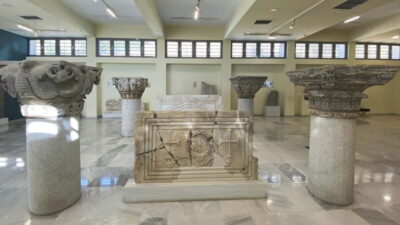
Pella’s modern archaeological museum is your first major stop. Plan on about an hour inside. The displays focus on objects found at the ancient capital, including household items and material from the daily lives of its residents.
That focus is important. Alexander and Philip are the famous names, but Pella becomes more understandable when you see the ordinary things around the royal court. Pottery, tools, decorations, and domestic objects help you picture a functioning city rather than a name from a history textbook.
The museum also prepares you for the outdoor site. You will recognize the kinds of buildings and public spaces that shaped Macedonian urban life. The museum is modern and well laid out, but one hour can feel short if you read every label. A practical approach is to listen closely to the guide’s introduction, then choose the displays that interest you most.
Some visitors have wished for more museum time. That is a fair criticism, particularly if you read slowly or have a strong interest in ancient art. You may want to photograph larger text panels for later reading, as one useful tactic is to review the details during the bus ride.
Walking the ancient market at Pella
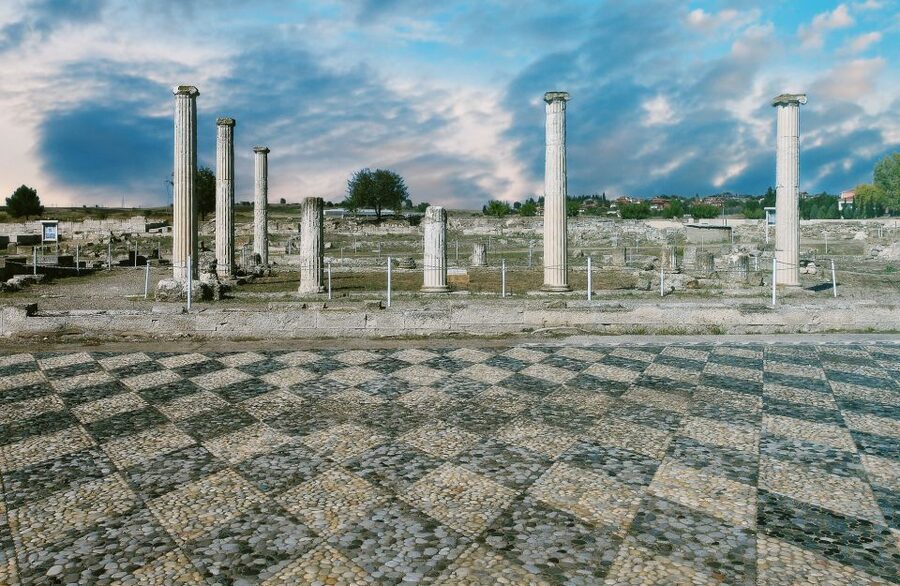
The archaeological site follows the museum, with about an hour to walk among the remains. The highlight is the collection of large mosaics, including the Abduction of Helen and Amazonomachy. These are among the most memorable works connected with the ancient capital.
Pella’s mosaics are valuable because they bring color and movement into a site that otherwise consists largely of foundations and open ground. You can look down at scenes made with tiny stones and then look across the remains of the agora, the ancient market. The combination gives you both decoration and urban structure.
This section is partly self-guided. Your guide may point out key features and explain the setting, but you generally have time to wander independently. That freedom suits people who like to stop for photographs or examine details at their own pace.
The site is broad and can be exposed to sun. Wear sneakers or sturdy sandals, carry water, and use the full hour wisely. The remains can appear less dramatic than Vergina at first glance, and parts may be overgrown depending on conditions. Still, Pella rewards attention. The mosaics and the sense of scale are the main reasons to take your time.
One point to keep in mind: the excavated palace area is not a standard part of the visit described here. Some people have wished for access to more of the royal complex. The tour cannot cover every part of Pella in one day, especially with the later stops at Vergina.
Same base, a different day out:
- Santorini: Luxury Catamaran Day Trip with Meal and Open Bar
★ 4.8 · 3,678 reviews - Santorini: Top Sights Day Trip, Wine Tasting, & Oia Sunset
★ 4.6 · 2,492 reviews - From Athens: Small-Group Delphi, Museum & Arachova Day Trip
★ 4.8 · 2,476 reviews - From Athens: Mycenae, Epidaurus & Nafplio Full Day Trip
★ 4.8 · 2,438 reviews
The road to Vergina and a traditional lunch
After Pella, the bus continues to Vergina. The drive breaks up the day and gives you time to rest after walking outdoors. The tour includes a lunch stop at a traditional Greek tavern in the area, with about an hour set aside.
Lunch is not included in the price, so budget separately. The stop is useful less as a formal food experience than as a chance to sit down before the most intense museum visit of the day. Service has been described as quick, which matters when the schedule is fixed.
You should not expect a long, leisurely meal. This is a structured day trip, and the lunch break has to fit between the archaeological sites. If you want a specific dish or a slower meal, ask the guide about the available options and keep an eye on the return time.
Inside the royal tombs of Aigai
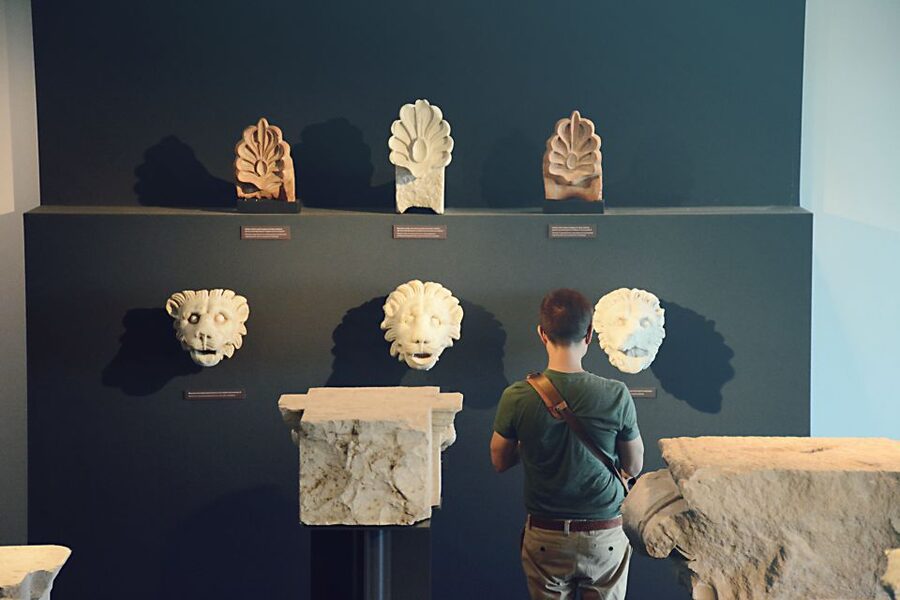
The Museum of the Royal Tombs of Aigai is the emotional center of the excursion. It is built around the royal burial complex, and the interior is kept dark and atmospheric. The design lets you see the tombs and their contents as part of one place rather than as unrelated objects in glass cases.
The Golden Larnax is the star object. This gold chest held cremated remains identified with Philip II and carries the 16-rayed sun associated with the Macedonian royal dynasty. The symbol later became widely known as the Sun of Vergina.
You will also see the golden oak wreath associated with Philip II’s funeral pyre. Military armor, weapons, grave goods, and objects from other royal burials fill out the story. The display is not only about gold. It shows how warfare, ceremony, status, and family identity came together in Macedonian royal culture.
Allow about 90 minutes here. That is enough for a focused visit, but the museum can absorb more time if you read everything carefully. Some people would trade a little time at the tombs for more time in Pella’s museum. I understand that preference, but the tombs are the part of the day you are least likely to forget.
The atmosphere also depends on your expectations. This is not a sunny ruin where you stroll from column to column. You are in a carefully controlled museum space with burial chambers and precious objects. If you prefer open-air archaeology, Pella may be your favorite stop. If you want a rare, concentrated look at a Macedonian royal burial, Vergina will likely carry the day.
The new Aigai Museum and the wider Macedonian story
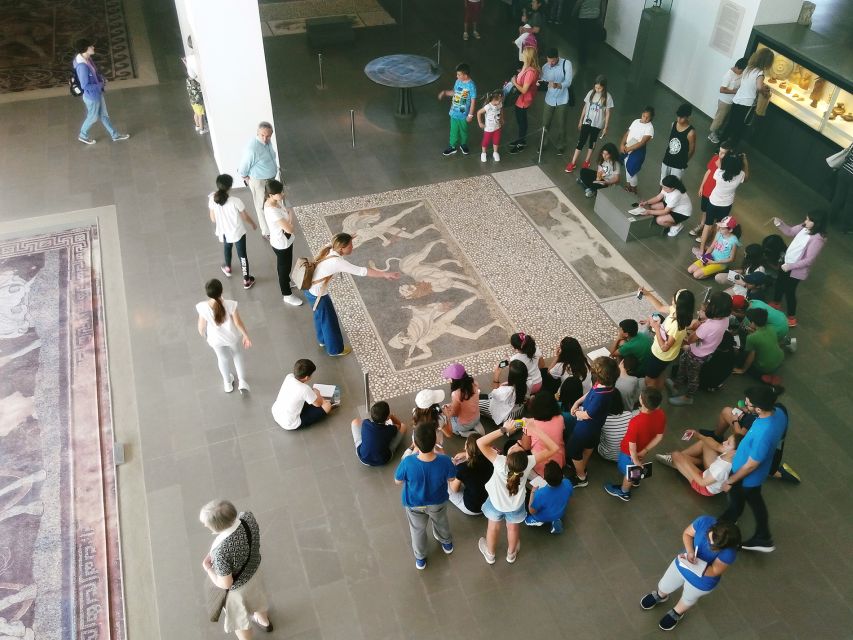
After the tombs and lunch, the visit continues at the New Museum of Aigai. This museum broadens the focus from one burial complex to the old Macedonian capital and its royal world.
An imposing portrait of Alexander the Great greets you near the start. From there, the displays move through several kinds of evidence:
- Macedonian and Hellenistic coins
- Monumental sculpture
- Sárissa spears and helmets from the Macedonian phalanx
- Painted pottery
- Banquet vessels used at aristocratic gatherings
- Jewelry and royal insignia from queenly burials
The temporary numismatic exhibition is especially useful if you want to understand how Macedonian power spread beyond the local kingdom. Coins from Macedonian kings, Alexander, and his successors show how political influence continued across the Hellenistic world.
This museum also helps correct a common problem with ancient history tours. It is easy to reduce Macedonia to Philip and Alexander, then miss the people, ceremonies, military systems, and economic networks that supported their rule. The objects here give you a wider frame.
Time is again limited. Listen to the guide’s main points, then choose what deserves your attention. You will not be able to study every coin and label in depth during one visit. The reward is variety: the tombs provide a concentrated royal experience, while this museum shows the larger culture around it.
How the guiding works
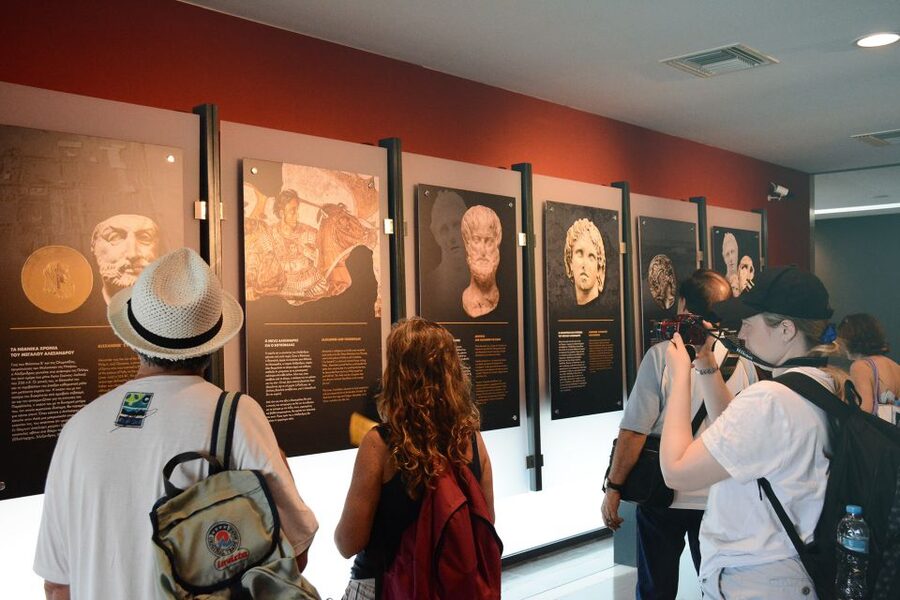
The tour includes an English-speaking live guide, but it does not include a private guide inside each museum. That distinction matters. The guide generally provides historical explanations during the drive and before the visits, then gives you time to explore.
This arrangement works well if you like a mixture of instruction and independence. Guides including Eva, Stelios, Eleni, Lazaros, Yannis, Evaggelia, and Konstantina have been praised for clear explanations, good organization, and willingness to answer questions. Eva has an archaeology background from the University of Thessaloniki, and Stelios has been described as a former archaeologist.
Your experience will depend partly on the guide assigned that day. The strongest guides add context without trying to control every minute. They explain the royal dynasty, identify the important objects, and then let you look for yourself.
One fair caution is that historical interpretation can sometimes sound too admiring of Alexander. If you want a more critical account of conquest and empire, ask questions. The tour is designed to explain Macedonian achievement, but you can still seek a broader view during the journey.
Price, extra fees, and overall value
The listed tour price is $58 per person. That covers round-trip transport, basic travel insurance, and assistance with the ticket lines. It does not cover entrance fees or lunch.
The listed admission cost is €20 for Pella’s museum and archaeological site together, plus €20 for the Museum of Vergina. That adds about €40 per adult, making the day substantially more expensive than the headline price suggests. Bring cash, and carry your passport or ID if you may qualify for a discount.
EU citizens up to age 25 can enter free with valid identification, as can non-EU visitors up to age 18. EU citizens aged 65 and over receive reduced admission only from October 1 through May 31. From June through October, the full ticket price applies to seniors.
Is it good value? I think so if you do not have a car and want both major sites in one day. Public transport to Pella and Vergina is not presented as a simple option, and arranging two separate visits would take more planning. The guide and air-conditioned transport also save you from managing rural connections and site timing.
It is less compelling if you want a slow archaeological study. The schedule is efficient rather than leisurely, and the extra €40 should be part of your budget from the start.
Who should book this day trip?
I would choose this tour if you are staying in Thessaloniki and care about ancient Macedonia, archaeology, Alexander the Great, or Philip II. It is also a smart choice for a short visit when you want the major sites without renting a car.
Families with older children may enjoy the gold objects, weapons, mosaics, and dramatic tomb setting. Younger children may find the museum-heavy schedule long, especially with several one-hour visits and a full day on the road.
You should also book it if you value a good historical introduction but still want time alone at the displays. You may prefer another arrangement if you want a private archaeologist at every stop, a longer lunch, or extra time at the palace remains.
Cancellation is free up to 24 hours before departure, and you can reserve now and pay later. The meeting point is central, but the bus cannot wait for late arrivals, so punctuality is essential.
Should you book it?
Yes, if you want the most efficient introduction to Macedonian royal history from Thessaloniki. The tombs of Aigai are the main reason to go, but Pella’s mosaics and the new museum make the day more complete.
Book with realistic expectations. You will walk outdoors, pay the entrance fees separately, and move on a firm schedule. Bring cash, identification, water, and good shoes. If those conditions suit you, this is a well-organized day with unusually strong archaeological content and guides who can turn a complicated chapter of Greek history into something you can follow.
FAQ
How long does the Thessaloniki to Vergina and Pella day trip last?
The activity lasts 8.5 hours, including transport, site visits, lunch, and the return to Thessaloniki.
Where does the tour leave from?
It leaves from the Eleftherios Venizelos Statue at Aristotelous Square and Egnatia Street at 8:00 in the morning.
What happens if I arrive late?
The bus cannot wait for late arrivals because of road restrictions, so you should arrive before the scheduled departure time.
Are entrance tickets included?
No. The listed price does not include admission. The additional fees are €20 for the Museum of Vergina and €20 for the Pella archaeological site and museum.
Is lunch included?
No. Lunch at a traditional Greek tavern is part of the schedule, but you pay for your own meal.
Is there a guide at each museum and archaeological site?
The tour includes a live English-speaking guide, but it does not include a dedicated guide at the Pella museum, Pella archaeological site, or Vergina museum. Your guide provides explanations and time for independent visits.
What identification should I bring?
Bring a passport or ID card. You need valid identification to qualify for free or reduced admission.
Can I cancel the booking?
You can cancel up to 24 hours in advance for a full refund. The reserve-now, pay-later option is also available.
Just written up around Greece
- From Mykonos: Full-Day Trip to Tinos Island★ 4.1 · 51 reviews
- Thessaloniki: Kavala, Philippi, and Beach Full Day Trip★ 4.8 · 85 reviews
- From Skiathos Marina: Yacht Sailing Day Trip with Lunch★ 4.8 · 180 reviews
- Skiathos: Wooden Sailboat Full- or Half-Day Trip with Meal★ 5.0 · 88 reviews
- Santorini: Mythical Day Trip to Akrotiri with Volcano Cruise★ 3.8 · 23 reviews
- Rhodes: Lindos Village Day Trip★ 4.6 · 34 reviews
- Rhodes: Day Trip to Symi Island by Fast Boat★ 4.6 · 292 reviews
- Rethymno: Glyka Nera, Loutro, & Sfakia Day Trip★ 4.7 · 95 reviews
Day Trips from Thessaloniki, side by side.



Lists this day trip turns up in