
Review · DAY TRIPS FROM KRAKOW
From Krakow: Auschwitz-Birkenau Camp Complex Guided Day Trip
The most powerful part of this day is not a grand view or a clever museum display. It is the sight of ordinary belongings left behind, shoes, suitcases, glasses, photographs, and papers that put individual lives at the center of Auschwitz-Birkenau’s story. You visit the former Auschwitz camp, then continue to Birkenau, where the scale of the crime becomes harder to ignore.
I like the Italian-speaking guide, who explains how the camps were created and what each site was used for. I also like the careful pickup system: you receive a photo of the vehicle the day before, and the driver confirms that everyone is present before leaving. The main drawback is the short seven-hour schedule, which gives you a serious introduction but not much spare time for lingering.
Key points to know before you book
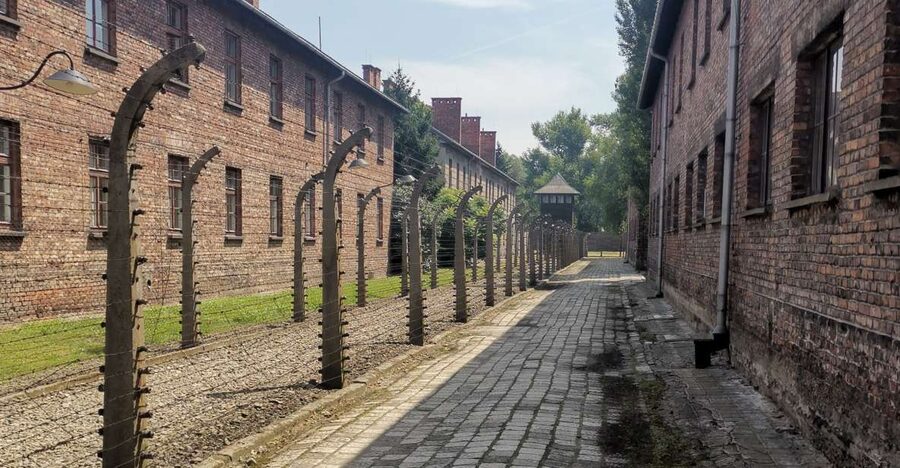
- The route covers two major sites: Auschwitz and Birkenau, with prisoner blocks, personal effects, gas chambers, crematoria, and memorial areas.
- The guide speaks Italian: An optional Italian audio guide is also available.
- An early departure can help: One listed departure was at 6 am, allowing entry to Auschwitz before queues formed.
- Transport is part of the price: You travel from Krakow by private transport, with the full trip lasting about seven hours.
- Pack light and dress for walking: Bring a passport or ID card and comfortable shoes. Large bags are not allowed.
- The booking is flexible: You can cancel up to 24 hours before departure for a full refund and reserve without paying at once.
Leaving Krakow for a difficult day of history
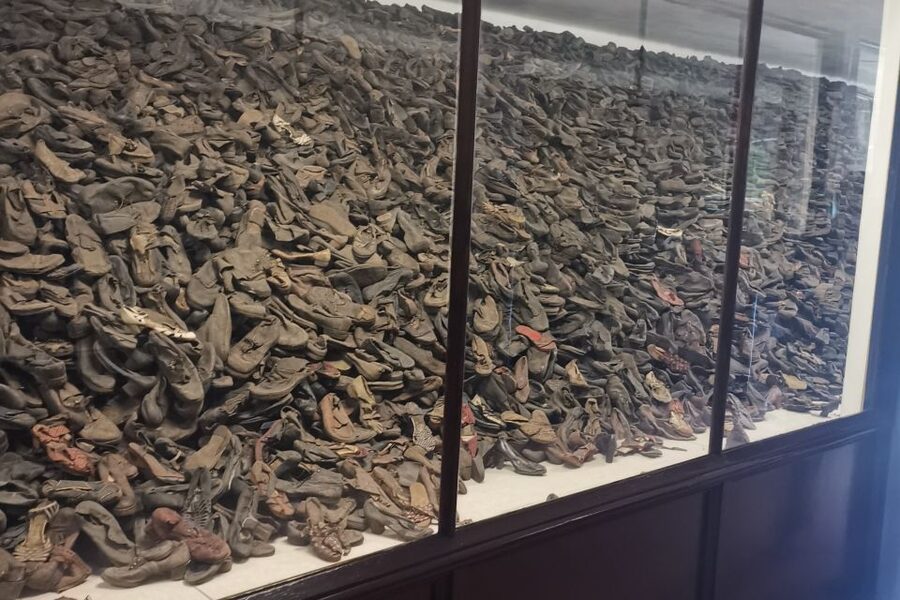
This trip begins with pickup in Krakow and a drive of about 45 kilometers to the former Auschwitz camp. The route is simple, but the day is not. You are heading to a place that has shaped how the world understands industrial mass murder, persecution, forced labor, and the Holocaust.
The experience lasts around seven hours, including transport and visits to both Auschwitz and Birkenau. That makes it practical for a short stay in Krakow, but you should not expect a slow museum day with long private pauses. The schedule is built to cover the main sites in one outing.
Pickup details arrive through WhatsApp by 6:30 pm on the day before the visit. You receive the exact departure time, along with a photo of the vehicle. This is a useful touch, especially if you are staying in a busy part of Krakow and need to identify your transport quickly in the morning.
The departure time can vary. A 6 am start has been used, and that early hour may be worth choosing if it is offered. One February group entered the first camp without waiting in line. You will need to balance that benefit against the early alarm, but avoiding a slow start is valuable on a tightly timed day.
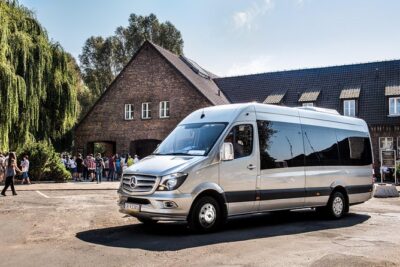
The transfer has been described as punctual and comfortable, using a tourist-style bus. The driver also checks that everyone is present and calls anyone who is late. That helps keep the group together, though you should still be ready at the pickup point. A late arrival can affect the whole schedule.
More Guided Days Out in Poland:
- From Brussels: Guided Day Trip to Bruges and Ghent
★ 4.6 · 8,353 reviews - From Madrid: Guided Day Trip to Toledo by Bus
★ 4.1 · 5,280 reviews - Montserrat, Girona & Costa Brava Guided Day Trip from Barcelona
★ 5.0 · 5,128 reviews
Entering Auschwitz through the Arbeit macht frei gate
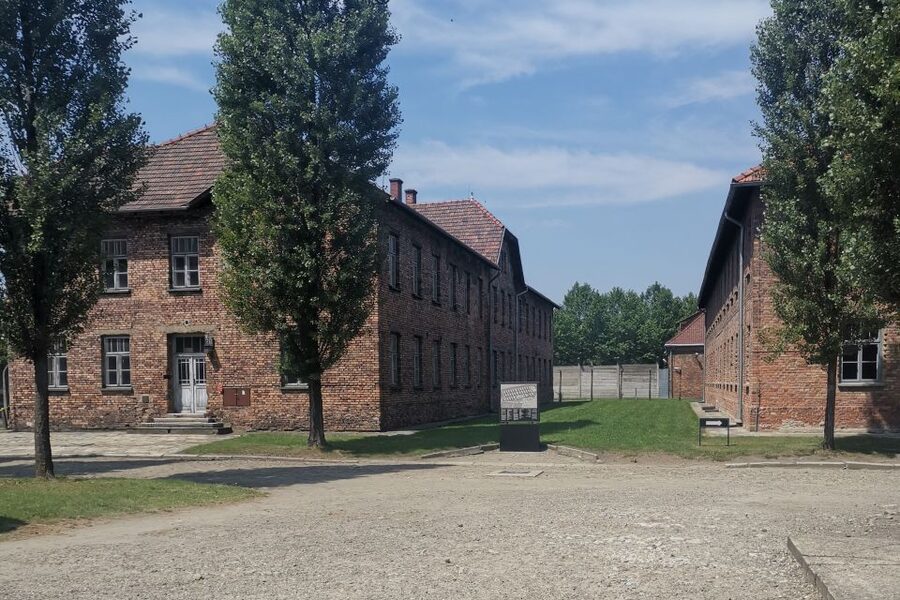
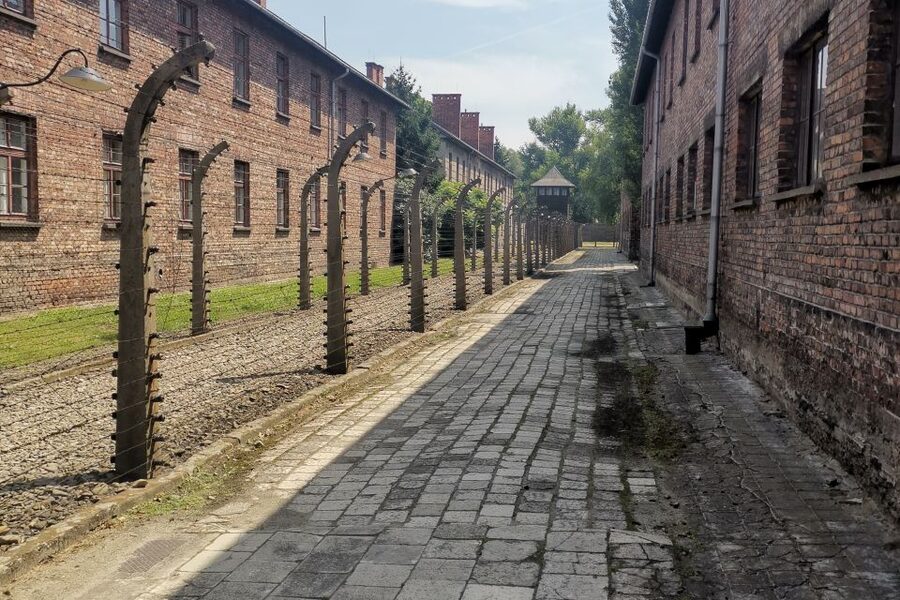
Your first major stop is the former main camp at Auschwitz. The site originally served as barracks for the Polish military before it was used as a concentration camp. At the entrance, you see the gate carrying the words Arbeit macht frei.
The guide provides the basic structure you need before you walk through the grounds. You learn how Auschwitz was established, how the camp operated, and how its role differed from Birkenau. That context matters because the two places are often spoken of as one site, yet they present different parts of the story.
Auschwitz feels more contained than Birkenau. The former barracks and prisoner blocks create a defined route, and the surviving buildings now hold displays about the people imprisoned there. You move through rooms that once had a practical military or prison function, now arranged as places of remembrance and evidence.
The route is not built around entertainment or spectacle. The value comes from the chance to see the setting while listening to an Italian-speaking guide explain what happened there. A good guide helps you connect the buildings, dates, objects, and policies without reducing the visit to a string of grim facts.
Shoes, suitcases, glasses, and the human cost
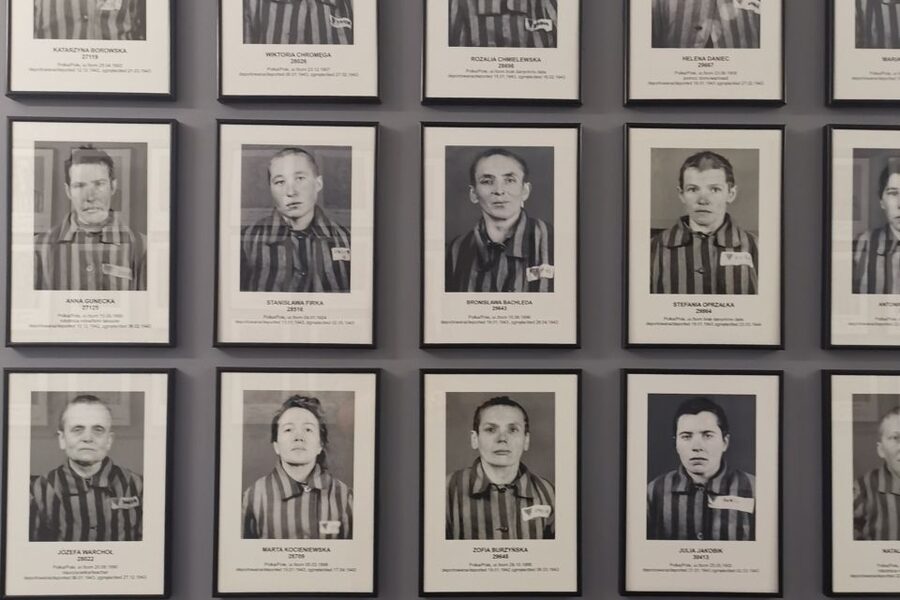
The prisoner blocks hold some of the most difficult displays on the visit. You see shoes, suitcases, glasses, photographs, documents, and other personal effects left behind by people who entered the camps.
These objects matter because they are ordinary. A suitcase can show that families were deceived or forced to believe they were going somewhere else. A pair of glasses or a shoe points to a person with daily needs, habits, and a life outside the camp. The displays are stark without needing much decoration.
I find this part more affecting than a simple list of numbers. Statistics are essential, but a room filled with belongings makes the crime personal. You are not just hearing about a population. You are looking at the remains of individual lives.
Photography rules are strict. Flash photography is not allowed, and you should treat the rooms as memorial spaces rather than places for casual snapshots. Large bags and oversize luggage are also prohibited. Travel with only what you need for the day.
The guide’s role is especially important here. The Italian tour lets you ask for explanations in your own language and follow the material without relying on hurried translation. If you prefer a recorded format, an optional Italian audio guide is available, but the live guide is the central part of the experience.
The short transfer to Birkenau
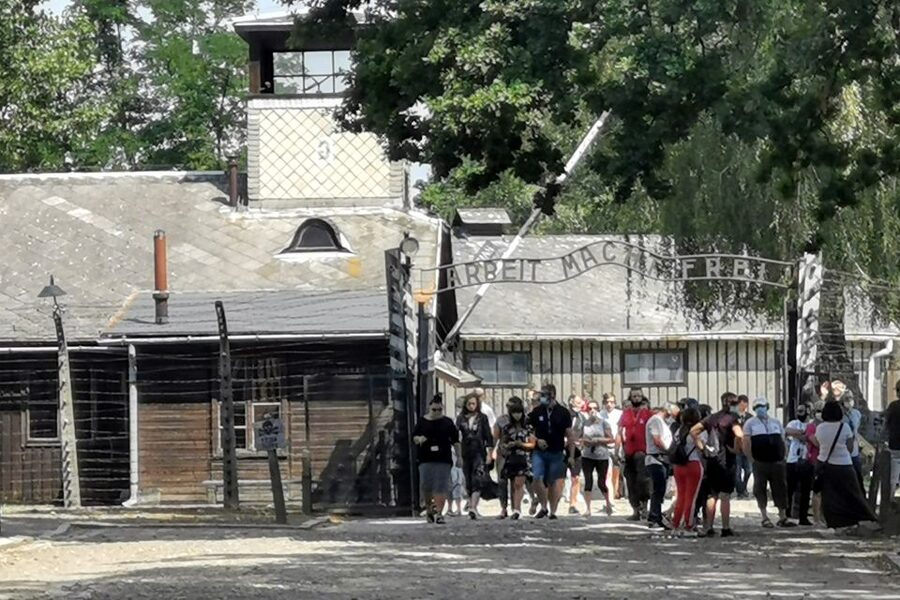
After Auschwitz, you travel a short distance to Birkenau. The change in scale is one of the main reasons the two-site visit is worthwhile. Auschwitz introduces the camp system through buildings and exhibitions. Birkenau presents a much larger former camp area and gives you room to consider how the system expanded.
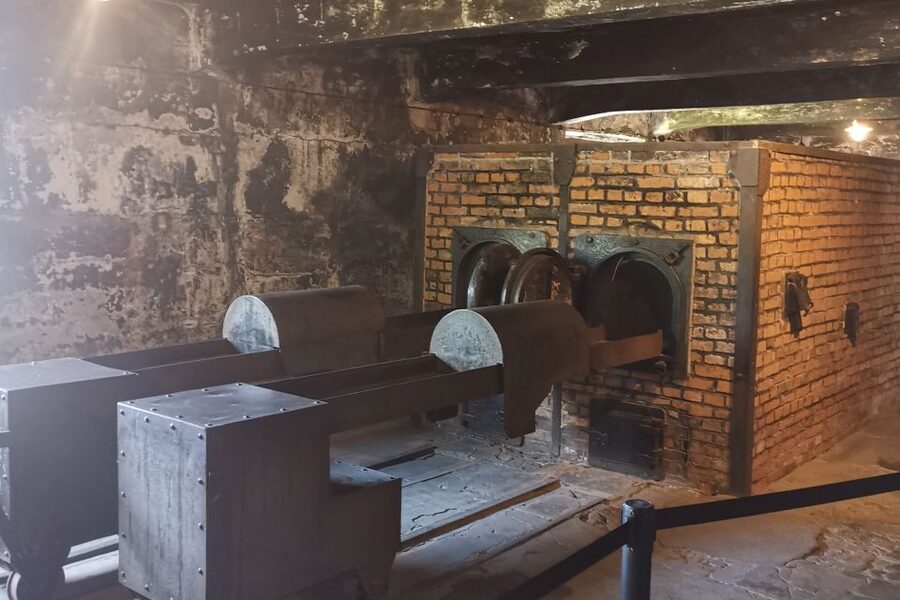
At Birkenau, the route includes the former gas chambers and crematoria. You also have time around the memorials to think about what happened at the site. The visit is not rushed into a single indoor display. The open setting, the remains, and the memorial spaces require a different kind of attention.
Weather can affect this part of the day. A cold, windy visit makes comfortable shoes and suitable clothing especially important. Even in mild weather, expect walking between areas and time outdoors. The activity information specifically asks you to bring comfortable shoes, and that advice should be taken seriously.
Do not expect a cheerful stop for refreshments inside the visit. Food and drinks are not included, so plan accordingly, while also respecting the restrictions on alcohol and smoking. Pets are not allowed, except for assistance dogs.
More Day Trips in Poland:
- Krakow: Auschwitz-Birkenau Day Trip with Tour Leader
★ 4.3 · 5,452 reviews - Day Trip: Auschwitz-Birkenau and Wieliczka Salt Mine from Krakow
★ 4.5 · 4,282 reviews - Krakow: Zakopane, Funicular, Cheese, and Highland Day Trip
★ 4.7 · 1,489 reviews - Krakow to Zakopane: Funicular, Tasting and Thermal Baths Day Trip
★ 5.0 · 1,189 reviews
Understanding Auschwitz, Birkenau, and Monowitz
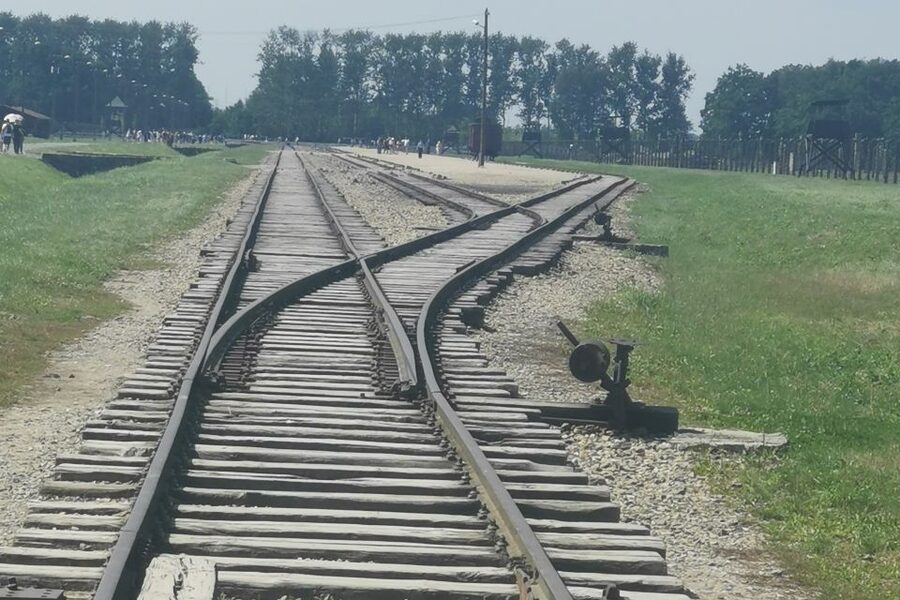
The guide explains the origins and purposes of Auschwitz and Birkenau, helping you see how the sites fit into one larger system. The experience also highlights Monowitz and the day-to-day survival of people held there.
The listed route clearly names Auschwitz and Birkenau as the main physical stops. Monowitz is presented as part of the historical focus, but the supplied itinerary does not spell out a separate visit there. If learning about Monowitz is a priority for you, ask the provider before booking whether it is covered in the live commentary, shown through the audio guide, or included as an actual stop.
That distinction is worth checking because seven hours does not leave room for every location in the wider Auschwitz complex. The tour offers an efficient introduction to the central sites, not an unlimited study visit. You will get the most from it if you decide in advance whether your priority is the main memorial route, detailed historical discussion, or a specific subcamp.
Why the Italian guide makes a difference
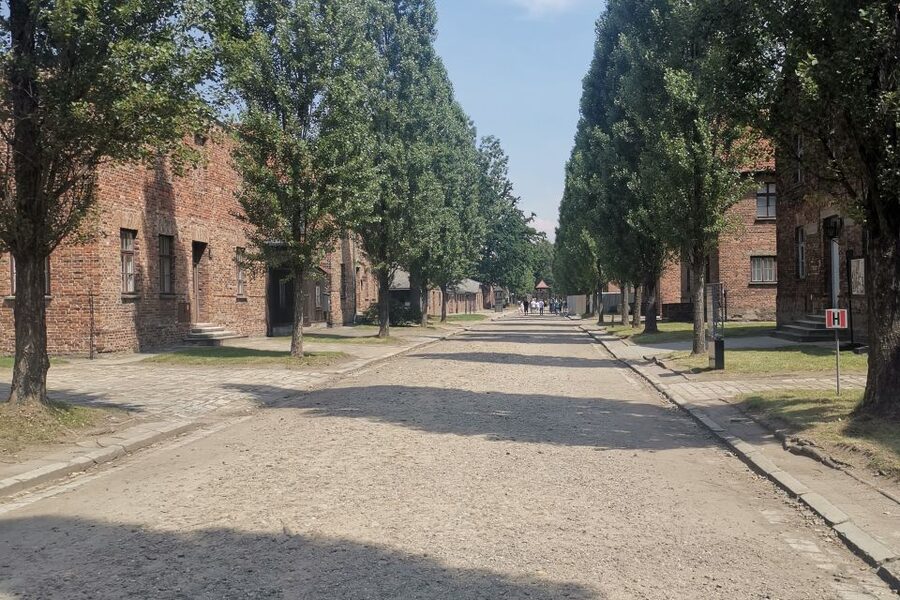
The live guide is available in Italian, and that is more than a small convenience. The subject involves names, dates, systems, and terms that are easy to misunderstand when heard through a second language. A clear explanation lets you focus on the place instead of translating every sentence in your head.
The guide is expected to cover how the camps were set up, what each one was used for, and how people lived and survived from day to day. You should hear the major historical points while also having a chance to pause at the memorials.
The audio guide option gives you another way to follow the visit in Italian. Still, an audio guide cannot respond to a question or adjust its explanation when the group needs more context. If you value conversation, choose the live tour as your main source of interpretation.
No guide name is provided in the activity details, so you should not book this expecting a particular named historian or presenter. The strength of the experience lies in the Italian service, the organized route, and the chance to see the sites with historical explanation.
How the $83 price works as a value
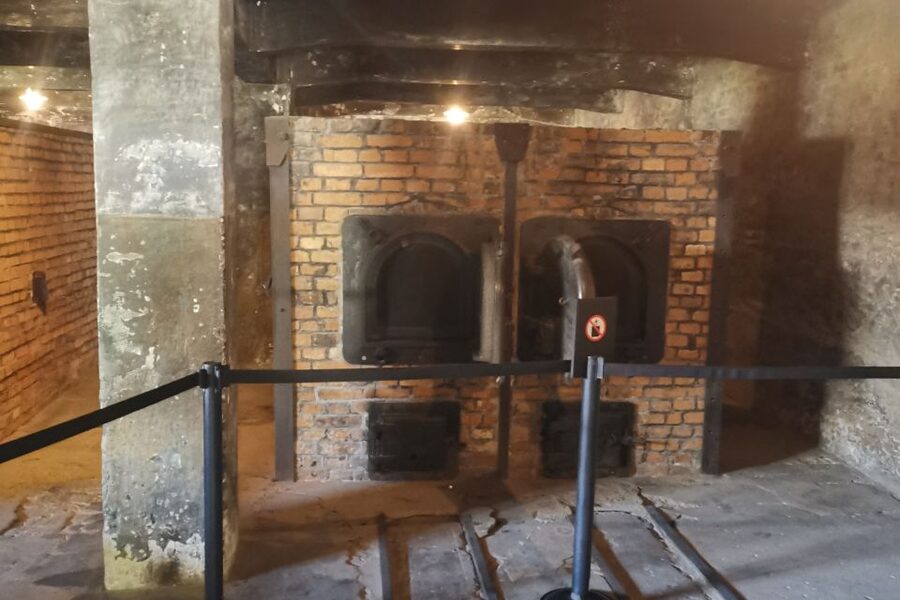
At $83 per person, the cost includes entry tickets, private transportation, the guided tour, and on-site assistance. Food and drinks are not included. For a seven-hour outing from Krakow, the price makes sense if you want the main logistics handled in one booking.
The transport matters. Auschwitz is outside Krakow, and arranging tickets, getting to the site, moving between Auschwitz and Birkenau, and returning to the city can take time and planning. Here, those pieces are grouped together, with pickup information sent directly to you the day before.
The value is strongest for a first visit or for anyone with limited time in Krakow. You are paying for access, transport, and interpretation rather than only for a ride. The main compromise is flexibility. A private vehicle does not mean you receive a fully private custom itinerary, and the seven-hour format keeps the day moving.
Book independently only if you are comfortable handling the transport and entry arrangements yourself. For many people, the extra cost of an organized tour is fair because the subject deserves a well-planned visit, and missed timing would be a serious nuisance.
What to bring and what to leave behind
Bring your passport or ID card. These documents are specifically required for the visit, so do not leave them at your accommodation.
Comfortable shoes are essential. You may walk between buildings and memorial areas, and the visit can involve long periods outside. Dress for the season, especially if your departure is early or the forecast is cold and windy.
Large bags, oversize luggage, and luggage in general are not allowed. Pack light. Smoking, alcohol, drugs, and flash photography are prohibited, and pets are not permitted apart from assistance dogs.
Food and drinks are not included. The activity details do not promise a meal stop, so you should plan around the schedule without assuming you will have a long break. Keep your focus on the memorial visit and follow the guide’s instructions at each area.
Who should choose this day trip?
I would choose this tour if you are staying in Krakow and want to visit Auschwitz-Birkenau without managing the route on your own. It suits first-time visitors, Italian-speaking travelers, and people who prefer a clear historical explanation rather than walking through the grounds without context.
It also suits anyone who values an early start. If a 6 am departure is available, you may enter Auschwitz before the main flow of people arrives. That can make the first part of the visit calmer, though it means starting the day very early.
This is less suitable if you want hours of private reflection at every location. The route covers a lot in seven hours, and transport takes part of that time. It may also feel too limited if Monowitz is your main interest and a separate stop is not confirmed.
The subject is emotionally demanding. You should allow yourself time after returning to Krakow rather than scheduling a noisy evening immediately afterward. The tour ends with the return drive, but your own response to the day may continue well beyond it.
Should you book the Auschwitz-Birkenau day trip?
Yes, if you want a well-organized visit from Krakow with Italian guidance, included admission, and transport that takes care of the practical work. The strongest points are the personal belongings at Auschwitz, the clear progression from Auschwitz to Birkenau, and the careful pickup communication.
Book with realistic expectations. You are not getting a leisurely private study tour, food is not included, and the exact departure time arrives only the day before through WhatsApp. Confirm how Monowitz is covered if that location matters to you.
For most Italian-speaking visitors with one day available, the $83 price is reasonable. The experience gives you the main sites, historical framing, and time to reflect without forcing you to arrange every detail yourself.
FAQ
How long does the Auschwitz-Birkenau tour from Krakow last?
The tour lasts about seven hours, including transportation from Krakow, visits to Auschwitz and Birkenau, and the return journey.
What language is the guided tour in?
The live tour guide speaks Italian. An optional Italian audio guide is also available.
Is pickup from Krakow included?
Yes. Pickup is included, and you receive a photo of the vehicle the day before the tour. The exact departure time is sent through WhatsApp by 6:30 pm on the previous day.
What is included in the price?
The price includes entry tickets, private transportation, a guided tour, and on-site assistance. Food and drinks are not included.
What should I bring?
Bring your passport or ID card and comfortable shoes. Dress appropriately for outdoor walking, especially in cold or windy weather.
Can I cancel the booking?
You can cancel up to 24 hours in advance for a full refund. The reserve now and pay later option lets you hold a place without paying immediately.
Just written up around Poland
- Krakow: Auschwitz-Birkenau and Wieliczka Salt Mine Day Trip★ 4.7 · 84 reviews
- Ojcow National Park: Full-Day Trip from Krakow★ 4.0 · 29 reviews
- Krakow: Zakopane, Gubałówka & Thermal Baths – Full-Day Tour★ 4.8 · 138 reviews
- Krakow: Zakopane and Chochołowskie Bath Full Day Trip★ 5.0 · 212 reviews
- From Krakow: Morskie Oko and Zakopane Day Trip★ 4.9 · 25 reviews
- From Krakow: Wieliczka Salt Mine Half-Day Trip with Pickup★ 4.5 · 140 reviews
- From Krakow: Auschwitz and Wieliczka Salt Mine Full-Day Trip★ 4.6 · 731 reviews
- Dunajec River Gorge and Zakopane: Full-Day Trip from Krakow★ 4.6 · 57 reviews
Day Trips from Krakow, side by side.
Day Trip: Auschwitz-Birkenau and Wieliczka Salt Mine from Krakow
Read our review →
Zakopane, Funicular, Cheese, and Highland Day Trip
Read our review →
Krakow to Zakopane: Funicular, Tasting and Thermal Baths Day Trip
Read our review →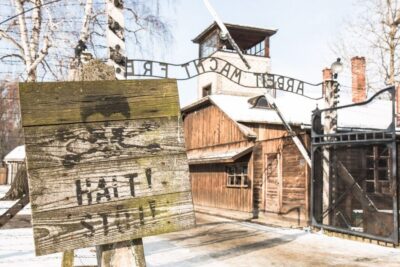
Auschwitz and Wieliczka Salt Mine Full-Day Trip
Read our review →Auschwitz and Wieliczka Salt Mine Full-Day Trip
Read our review →
Zakopane, Gubałówka, and Thermal Baths Day Trip
Read our review →
Lists this day trip turns up in