
Review · DAY TRIPS FROM KRAKOW
From Krakow: Auschwitz and Wieliczka Salt Mine Full-Day Trip
Auschwitz-Birkenau and the Wieliczka Salt Mine make an unusual pair: one is a place of sorrow and remembrance, the other a vast underground world carved by miners. Seeing both in one day gives you two very different ways to understand Poland, but it also demands stamina. This is a serious full-day outing, not a light sightseeing trip.
I like the practical setup. Your transport, entrance tickets, and English-speaking guides are arranged, and the tour usually gets you through both sites without wasting time in ticket lines. I also like the contrast between the two visits: Auschwitz requires quiet attention, while Wieliczka gives you a more visual and physical experience, with chapels, lakes, galleries, and salt-carved rooms.
The drawback is the pace. You may leave Krakow before sunrise, walk for many hours, and return later than the advertised 11 hours. The tour is not suitable for people with mobility problems or claustrophobia, and the exact departure time can change at short notice.
Key points to know before booking
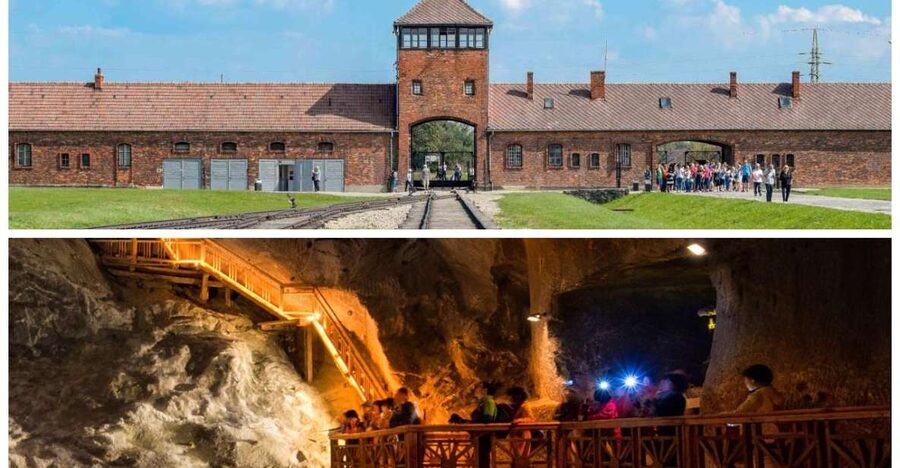
- Auschwitz and Birkenau are separate parts of one difficult visit: Expect barracks, exhibitions, photographs, gas chambers, chimneys, and a large amount of walking.
- Wieliczka begins with a long stair descent: The tour description lists 800 steps, while visitors commonly report around 380 steps at the start, followed by more walking underground.
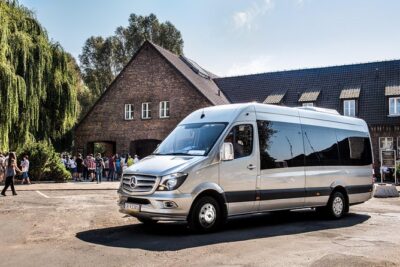
- Transport is one of the strongest features: Pickup may be available in central Krakow, with drop-off in the city center and smaller vehicles sometimes used between stops.
- The day can stretch beyond 11 hours: Early pickups around 5:30 or 6:00 AM have occurred, while other departures begin closer to 9:00 AM.
- Bring exact identification details: Auschwitz requires your full name and contact information, and the name on your booking must match your passport or ID.
Auschwitz and Birkenau: a visit that asks for your full attention
The first part normally takes you from Krakow to Auschwitz, the former Nazi concentration and extermination camp. You enter a preserved historical site rather than a conventional museum, with original buildings, prison blocks, barracks, photographs, personal belongings, and written displays explaining the German occupation of Poland and the murder of millions of people.
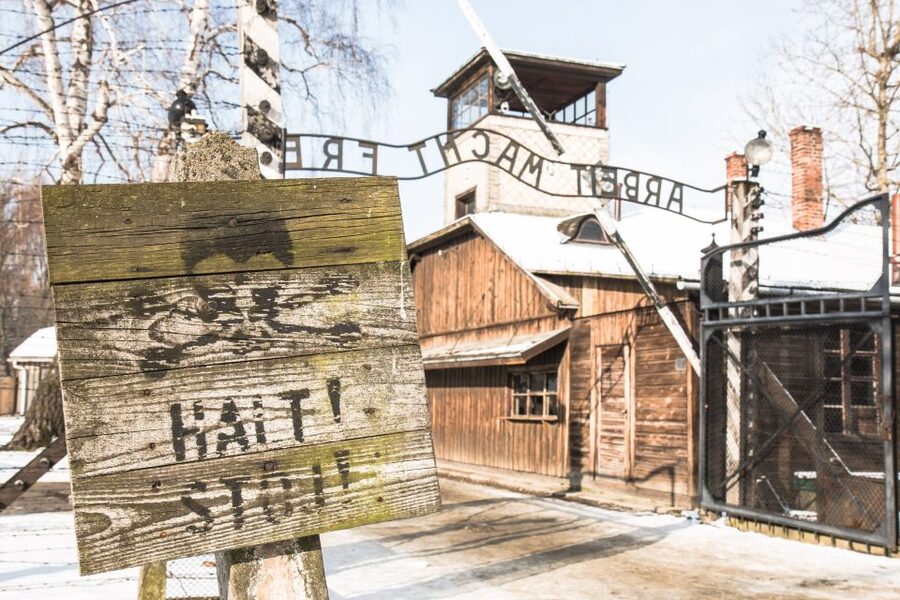
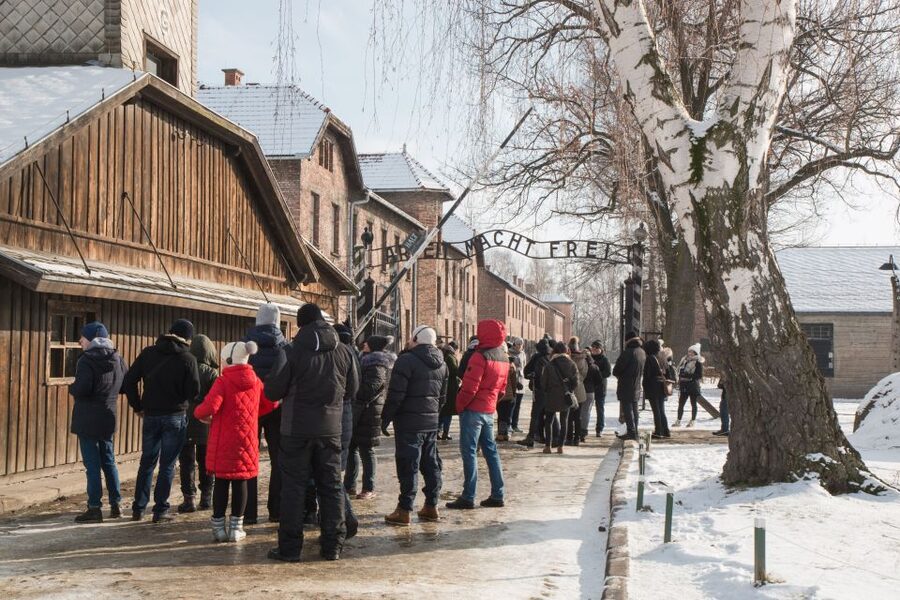
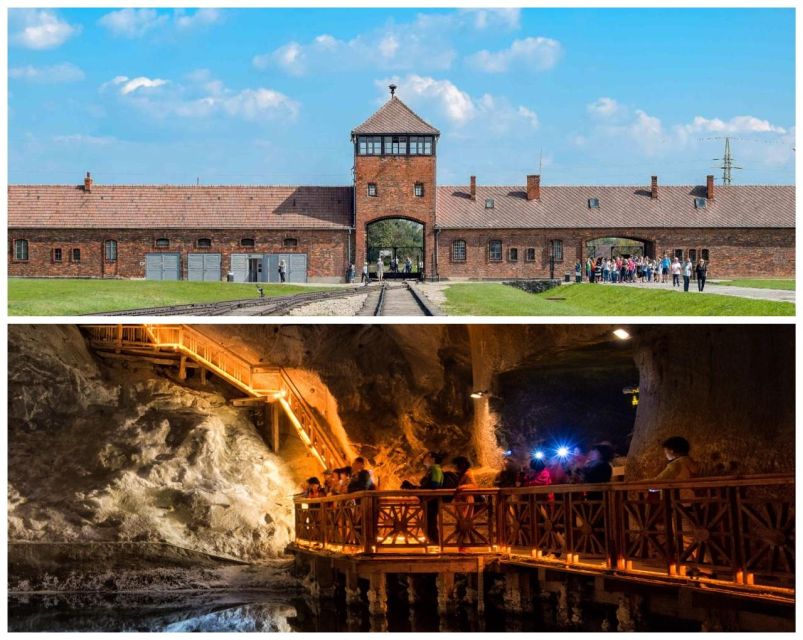
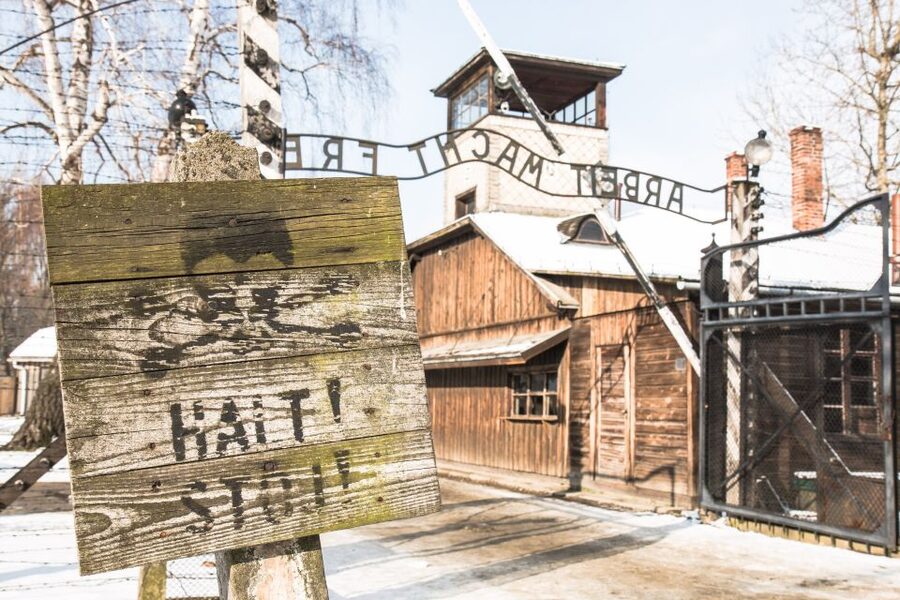
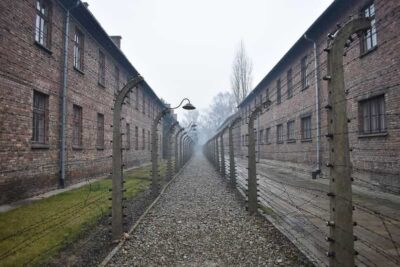
The visit usually includes both Auschwitz I and Auschwitz II-Birkenau. Auschwitz I has the familiar gate and a series of brick barracks now used for exhibitions. The displays explain how the camp operated and show the conditions prisoners endured. Some areas include gas chambers and cremation structures.
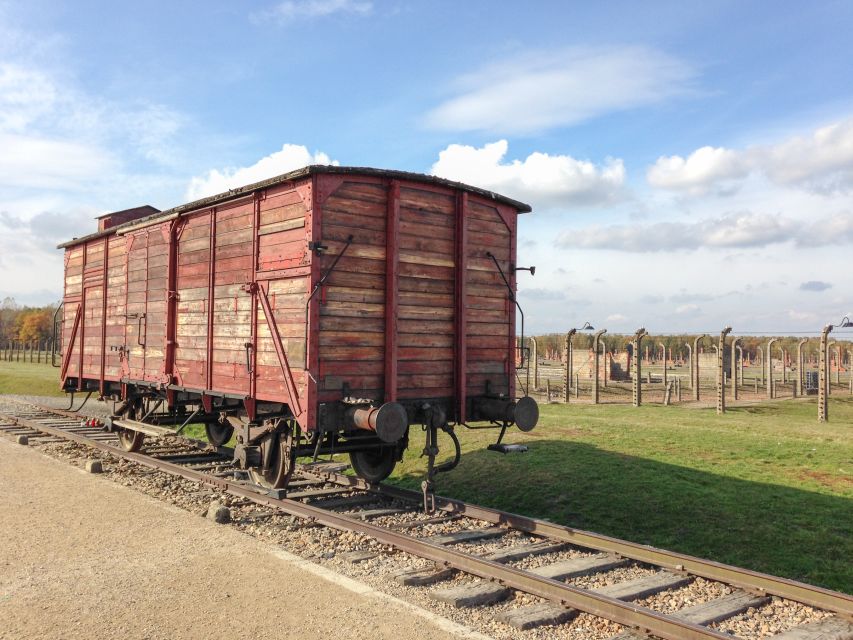
Birkenau is much larger and more open. The scale of the camp is difficult to grasp from photographs alone. You walk past the railway platform, wooden and brick barracks, fences, watchtowers, chimneys, and the remains of destroyed buildings. Give this part your full attention. The site is not a quick photo stop, and the subject deserves a quiet, respectful approach.
Your museum guide leads the historical portion, while an English-speaking tour leader handles the wider schedule and movement between locations. Guides such as Sabina, Kamil Gut, and others have been praised for using a calm and respectful tone. That matters here. A guide who simply recites dates can make the visit feel cold, while a guide who explains the human story helps you understand what you are seeing.
A headset is provided for the live guide at the first camp. This is useful when the group spreads out, though the equipment does not solve every sound problem. At times, especially in larger groups or outdoors at Birkenau, a softly spoken guide may be hard to hear. Stay close, keep the volume adjusted, and tell the tour leader if you are missing information.
Plan on roughly 1.5 hours at Auschwitz I and about an hour at Birkenau, though the timing can vary. Some departures allow a relaxed visit, while others feel tighter, particularly when crowds or transport delays affect the schedule. You should not expect unlimited time in every exhibition.
This portion of the day can be emotionally draining. That is not a flaw in the experience, but it is worth knowing before you book. The salt mine afterward may provide a change of mood, yet you should not treat Auschwitz as simply the first attraction on a packed sightseeing route. If you want long periods for reflection, booking Auschwitz separately may suit you better.
More Full-Day Escapes in Poland:
- From Krakow: Auschwitz and Wieliczka Salt Mine Full-Day Trip
★ 4.6 · 731 reviews - Krakow: Zakopane and Chochołowskie Bath Full Day Trip
★ 5.0 · 212 reviews - Krakow: Zakopane, Gubałówka & Thermal Baths – Full-Day Tour
★ 4.8 · 138 reviews
Wieliczka Salt Mine: 800 steps below the surface
After Auschwitz, the tour continues to Wieliczka, Poland’s best-known salt mine. Here, the focus shifts from wartime history to engineering, labor, religion, and underground art.
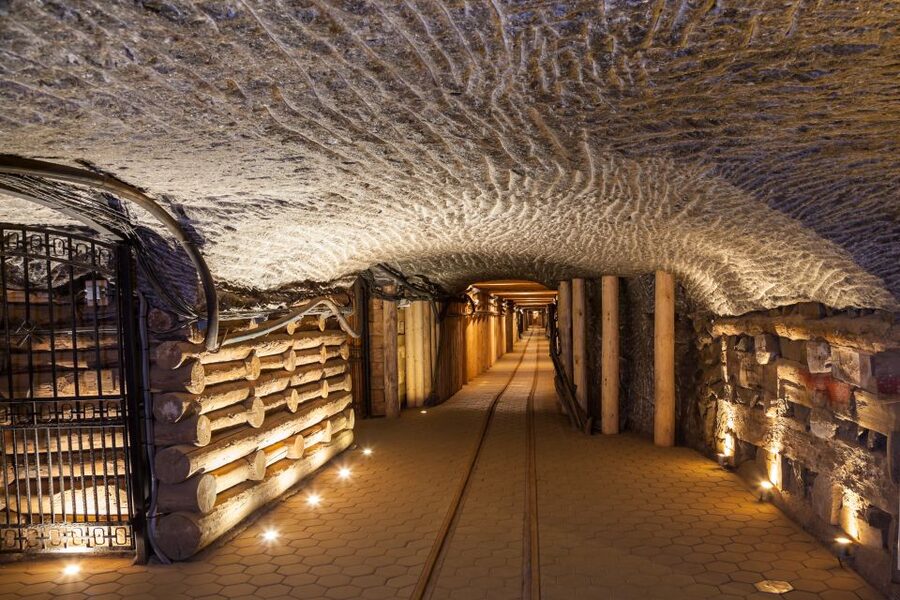
You descend by stairs into a network of chambers and galleries. The published description says you climb down 800 steps, while several visitors describe about 380 steps at the beginning and more along the route. Either way, wear sturdy, comfortable shoes and prepare to spend around two to two and a half hours on foot.
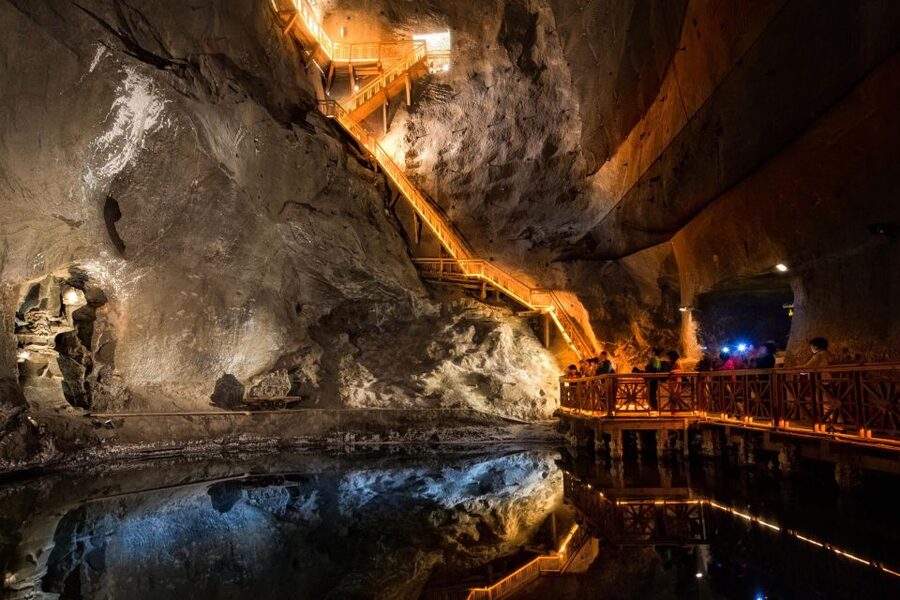
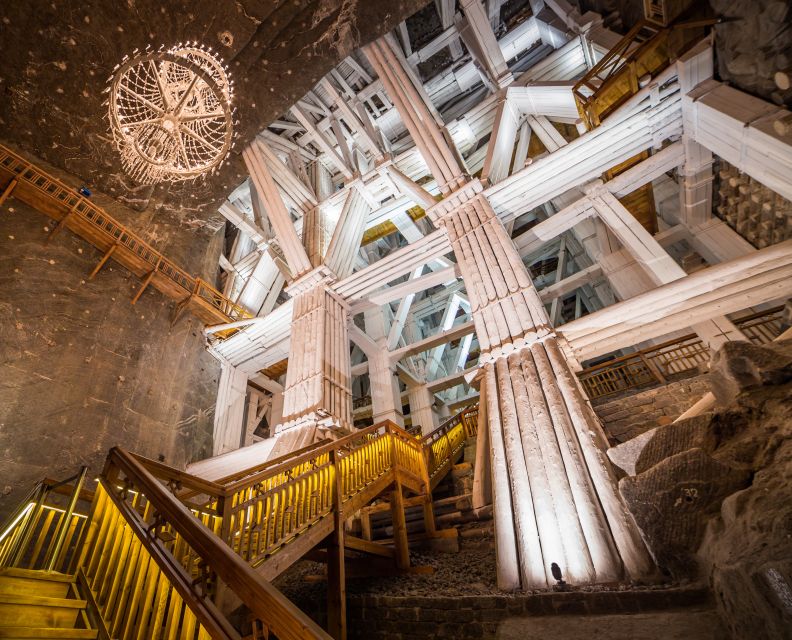
The guided route takes you through large underground rooms, salt-lined walls, lakes, galleries, and a chapel. The most striking spaces feel far bigger than you might expect underground. A ballroom and religious interiors add to the sense that this is more than an old industrial site.
The salt mine is not completely free of tight spaces. Much of the route is broad enough for groups, and some visitors who feared feeling trapped found it easier than expected. Still, the combination of underground rooms, stairways, and enclosed passages makes this a poor choice if claustrophobia is a serious concern.
The mine guide has a different job from the Auschwitz guide. At Wieliczka, humor and energy fit the setting better, and guides such as Piotr have been singled out for making the route lively as well as informative. You will hear stories about the mine and see how people shaped its interior over time. A headset may be used, but sound quality can vary, so stay near the guide when possible.
The return to the surface is by lift, which is welcome after the long descent and several hours of walking. Do not expect to wander independently. The mine visit follows a guided route, and the timing is tied to the group and the transport schedule.
A long day on the road from Krakow
The advertised duration is 11 hours, but you should treat that as an estimate. Early departures have begun around 5:25 or 5:40 AM and returned to Krakow after 5:00 PM. Some days have lasted until after 6:00 PM. Traffic, entry times, the number of people continuing to the salt mine, and changes made by the operator can all affect the schedule.
The usual sequence starts at Auschwitz and continues to Wieliczka, but the operator may adjust the order or arrange separate transport. On some days, only a small number of people continue to the mine. In those cases, a minibus or replacement vehicle may meet the group after Auschwitz rather than keeping everyone on the original coach.
That arrangement can work in your favor. Smaller vehicles may make the second transfer quicker and more personal. It also means you should listen carefully to instructions when leaving Auschwitz. One confusing point can be the exact location of the next pickup, especially when the vehicle moves ahead or the group splits.
Pickup may be available from a hotel or apartment in central Krakow. Since much of the Old Town is closed to ordinary traffic, the operator may give you a nearby meeting point instead. The listed meeting point is the Kiss & Ride area at 2 Wielopole Street. Confirm the final location and time the day before.
The tour includes transportation, entrance tickets, an English-speaking tour leader, and guides at the museum and mine. Drop-off is in Krakow city center. This removes the need to coordinate two major trips yourself, which is the main reason to choose a combined day.
Lunch, breaks, and what to carry
Food requires a little planning. Lunch is not clearly part of the standard inclusions, though an optional packed lunch may be offered. Some packages have included a simple meal such as a roll, chocolate wafer, and bottle of water. Check exactly what your booking includes rather than assuming lunch is covered.
Breaks can feel brief. There may be food sellers and restaurants near the sites, but your schedule may not leave much time for a proper sit-down meal. Bring breakfast for the early start, plus water and a snack. If you order a packed lunch, confirm when and where it will be handed to you.
One practical confusion can happen at Wieliczka. You may leave bags on the bus, then find that the bus has moved while you wait for entry. Keep essential items with you and ask the tour leader where lunch and personal belongings will be available before walking to the entrance.
Large bags and luggage are not allowed. Pets and smoking are also prohibited, and sleeveless shirts are listed as not permitted. Bring a passport or ID card, comfortable shoes, and a student card if you plan to use student status for a discount or verification.
Photography rules can differ by site. At the mine, photo permission costs 10 zł. If you want to take pictures there, budget for this small extra charge.
More Day Trips in Poland:
- Krakow: Auschwitz-Birkenau Day Trip with Tour Leader
★ 4.3 · 5,452 reviews - Day Trip: Auschwitz-Birkenau and Wieliczka Salt Mine from Krakow
★ 4.5 · 4,282 reviews - Krakow: Zakopane, Funicular, Cheese, and Highland Day Trip
★ 4.7 · 1,489 reviews - Krakow to Zakopane: Funicular, Tasting and Thermal Baths Day Trip
★ 5.0 · 1,189 reviews
Is $30 a good value?
At $30 per person, this is an unusually low advertised price for a day that includes transport, entry fees, and guides at two major attractions. Individual admission and transport can add up quickly, especially if you are visiting Krakow for only a few days.
The value is strongest when you care about convenience. You do not need to find the right buses, secure separate entry times, or work out the transfer from Auschwitz to Wieliczka. The English-speaking tour leader also keeps the day moving and explains what happens next.
Price comparison requires care. Some departures have cost much more in pounds or euros, and optional lunch may be extra. Prices can vary by date, package, or booking channel. Before paying, check that both Auschwitz and Wieliczka entry, transport, and the guide services are included for your selected date.
The low price should not lead you to expect a private tour. Group size, transport type, and guide style can vary. You might ride in a large coach for one section and a smaller minibus for another. That flexibility has worked well on days when traffic or limited salt mine bookings disrupted the original plan, but it can also make the day feel less predictable.
The museum tickets have strict rules. You must provide your full name and contact details, and the name must match your ID at entry. Auschwitz tickets are non-refundable under the site’s requirements, even though the general activity allows free cancellation up to 24 hours in advance. If the operator cancels for reasons outside its control, you receive a full refund.
Who should book this combined trip?
I would choose this tour if you have limited time in Krakow and want both major sights without managing the details yourself. It suits adults and older children who can walk for hours, follow a fixed schedule, and handle a serious historical visit followed by a busy underground tour.
It is also a good fit if you value a guide more than independent wandering. Auschwitz is easier to understand with context, and the mine route is guided rather than open-ended. The tour leaders can also help with meeting points, transfers, and timing.
I would think twice if you dislike early starts, need regular meal breaks, or want a slow visit. The day may involve 10 miles of walking, several stair sections, waiting at entrances, and long periods on the road. Anyone with limited mobility should not book this version, and anyone with strong claustrophobia should avoid the salt mine.
If you have two spare days, splitting the sites can make the experience more comfortable. A separate Auschwitz day gives you more mental space, while Wieliczka can be visited at a gentler pace. If your Krakow stay is short, the combined tour is a practical tradeoff.
Should you book the Auschwitz and Wieliczka day trip?
Book it if you want an efficient, low-cost way to see two very different Polish sights and you are ready for a demanding day. The organization, included transport, reserved entries, and strong guide support make the package useful, especially for a first visit to Krakow.
Skip it or split the visits if you need flexibility, dislike long coach days, or want more time at Auschwitz. Check the exact departure time, lunch arrangement, pickup point, and whether both stops are confirmed for your date. With those details clear, this is a meaningful and remarkably good-value day for an active visitor.
FAQ
How long does the tour last?
The stated duration is 11 hours, but the day may run longer. Departure times can fall anywhere between 6:00 AM and 10:30 AM, and some departures have started earlier than 6:00 AM.
Where is the meeting point?
The listed meeting point is the Kiss & Ride area at 2 Wielopole Street in Krakow. Pickup may also be available from accommodation in central Krakow.
Can I be picked up from my hotel?
Pickup is possible from hotels or apartments in Krakow city center. If your accommodation is inside the Old Town traffic restriction, the local partner will contact you with the nearest practical pickup point.
What identification do I need?
Bring your passport or ID card. Your full name on the booking must match the name on your identification when entering Auschwitz.
Are both entrance tickets included?
Yes, entrance fees and tickets for Auschwitz and the Wieliczka Salt Mine are included in the activity.
Is lunch included?
Lunch is not listed among the standard inclusions. An optional packed lunch may be available, so check your selected booking and bring food if needed.
How many stairs are there at Wieliczka Salt Mine?
The description refers to 800 steps. Visitors have also reported around 380 steps at the beginning, followed by additional stairs and walking during the underground route.
Is the tour suitable for people with mobility impairments?
No. The activity is specifically listed as unsuitable for people with mobility impairments because both sites involve extensive walking and the salt mine includes many stairs.
Can I cancel for a full refund?
The activity allows free cancellation up to 24 hours before departure. Auschwitz tickets have separate non-refundable requirements, so check the booking terms carefully before purchasing.
Just written up around Poland
- Krakow: Auschwitz-Birkenau and Wieliczka Salt Mine Day Trip★ 4.7 · 84 reviews
- Ojcow National Park: Full-Day Trip from Krakow★ 4.0 · 29 reviews
- Krakow: Zakopane, Gubałówka & Thermal Baths – Full-Day Tour★ 4.8 · 138 reviews
- Krakow: Zakopane and Chochołowskie Bath Full Day Trip★ 5.0 · 212 reviews
- From Krakow: Morskie Oko and Zakopane Day Trip★ 4.9 · 25 reviews
- From Krakow: Wieliczka Salt Mine Half-Day Trip with Pickup★ 4.5 · 140 reviews
- From Krakow: Auschwitz and Wieliczka Salt Mine Full-Day Trip★ 4.6 · 731 reviews
- From Krakow: Auschwitz-Birkenau Camp Complex Guided Day Trip★ 4.7 · 456 reviews
Day Trips from Krakow, side by side.
Day Trip: Auschwitz-Birkenau and Wieliczka Salt Mine from Krakow
Read our review →
Zakopane, Funicular, Cheese, and Highland Day Trip
Read our review →
Krakow to Zakopane: Funicular, Tasting and Thermal Baths Day Trip
Read our review →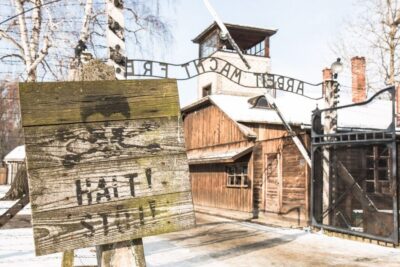
Auschwitz and Wieliczka Salt Mine Full-Day Trip
Read our review →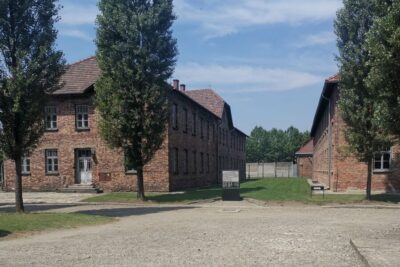
Auschwitz-Birkenau Camp Complex Guided Day Trip
Read our review →
Zakopane, Gubałówka, and Thermal Baths Day Trip
Read our review →
Lists this day trip turns up in