
Review · DAY TRIPS FROM HURGHADA
From Hurghada: 2-Day Trip to Cairo by Plane
The biggest draw here is simple: you cover Cairo’s great ancient sights and major city highlights without losing a long day to a road transfer from Hurghada. You fly in early, meet your guide at the airport, and go straight to the Giza Pyramids, Sphinx, Sakkara, and Memphis.
I like the private-group format, which can give you more time at each stop, and I like that the $575 price includes flights, ground transport, entry fees, two lunches, and a four-star hotel with breakfast. The drawback is the packed schedule and uneven communication reported by some customers, so confirm your flight and guide details before departure.
Key points to know
- Giza, Sakkara, and Memphis come on day one, giving you a strong look at pyramid development and ancient Egyptian power.
- The Egyptian Museum, Citadel, and Khan El Khalili fill day two, with a useful mix of art, religion, politics, and street life.
- Your flight leaves Hurghada early, with arrival in Cairo planned for around 7 AM.
- The tour is private, but guide quality and language arrangements should be confirmed in advance.
- The $575 package includes the main costs, though drinks, dinner, and shopping are extra.
- Allow for a tiring pace, especially if you want time inside the pyramids or a leisurely bazaar visit.
Why flying from Hurghada makes sense
Cairo is far enough from Hurghada that a two-day visit by road can eat up a large part of your holiday. Flying removes much of that dead time. The plan is to collect you from your Hurghada hotel in the early morning, transfer you to the airport, and have you in Cairo by about 7 AM.
That early arrival matters. Cairo’s major sights require time, and this trip tries to fit a great deal into two days. You are not simply checking off the Giza Pyramids before returning to the Red Sea. You also reach Sakkara, Memphis, the Egyptian Museum, the Citadel, and Khan El Khalili.
The $575 price is high compared with a basic bus trip, but the comparison is not quite fair. Your package includes return flights, airport transfers, a private vehicle, a guide, entry fees, two lunches, and one night in a four-star hotel with breakfast. If you value time and do not want to arrange each piece yourself, the cost can make sense.
Still, this is not a slow Cairo break. It is an efficient first look at the city. You will see a lot, but you will also spend much of both days moving between major sites.
More Two-Day Trips in Hurghada:
- From Cusco: 2-Day Trip to the Sacred Valley and Machu Picchu
★ 4.6 · 265 reviews - Athens: Meteora 2-Day Trip with Hotel, Sunset & Morning tour
★ 4.7 · 139 reviews - From Amman: Petra, Wadi Rum, and Dead Sea Private 2-Day Trip
★ 5.0 · 103 reviews
Day one at Giza, where Egypt gets its postcard moment
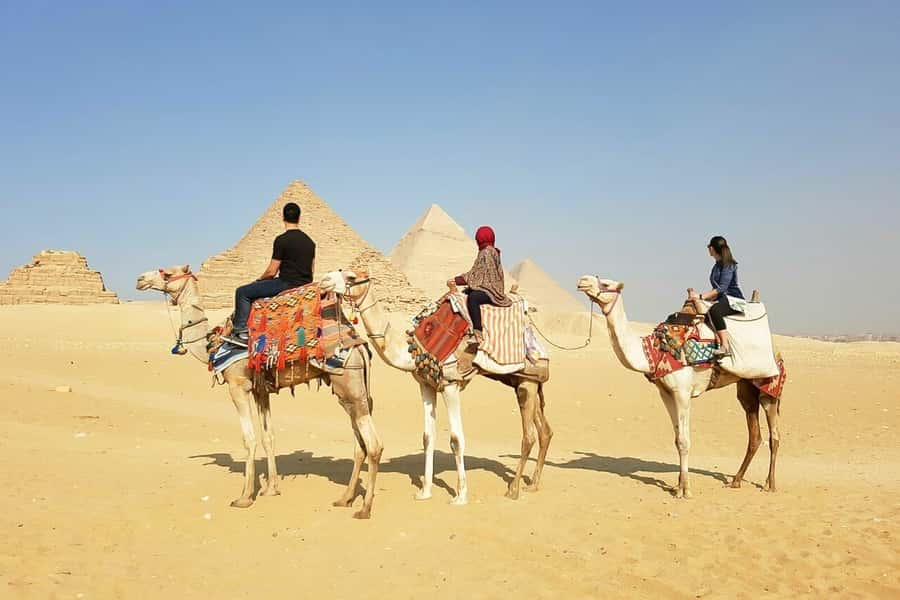
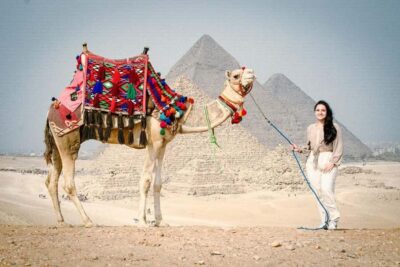
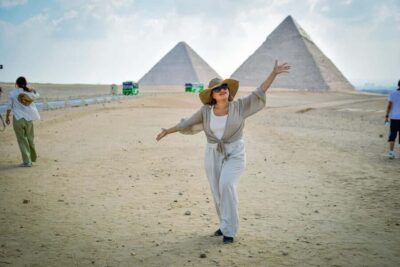
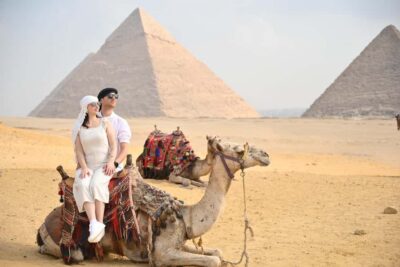
Your first major stop is the Giza Plateau, home to the pyramids of Cheops, Chephren, and Mykerinos. These are not three similar monuments lined up for a quick photo. They belong to different rulers and periods within the pyramid-building age, and your guide should help explain how they relate to one another.
The Great Pyramid of Cheops is the largest of the three and the one most people picture before arriving. Chephren’s pyramid can appear taller because it sits on higher ground and retains some of its outer casing near the top. Mykerinos is smaller, but its scale helps you see that the plateau was not built around one single design.
You should expect open, exposed surroundings and plenty of sun. Bring your passport or ID card, wear practical shoes, and carry water. Drinks are not included with either lunch, so budget for them separately.
The tour includes entry fees, but the supplied details do not say that an interior pyramid ticket is included. If going inside one of the pyramids matters to you, ask your guide or operator about the exact ticket arrangement before the day begins. The outside views are the main event, but the interior experience can be important to some visitors.
The Sphinx and the Valley Temple
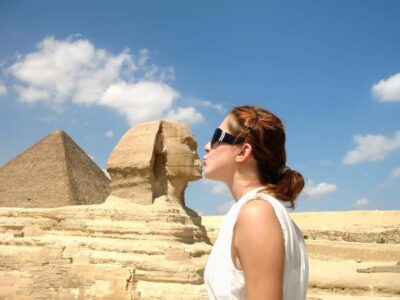
From the pyramids, you continue to the Sphinx, the famous guardian with a king’s head and a lion’s body. It is smaller than many first-time visitors expect, but its setting and age give it real force. You get a closer look at the carved face and the long body, along with the nearby Valley Temple.
The Valley Temple is linked with King Chephren and was used by priests in the mummification process. This stop gives you a useful connection between royal death rituals and the monuments above. The pyramids can feel like grand symbols from a distance. The temple helps show the practical religious work that supported them.
Your guide is especially important here. A good explanation can turn a quick stop into a clear lesson about royal power, burial customs, and the purpose of the plateau. Guides are offered in English, Spanish, German, Italian, and Arabic, but you should confirm your requested language directly after booking.
That point deserves attention. One German-speaking customer reported that the requested guide was initially said to be unavailable, followed by confusion over whether one could be provided. Another reported weak communication before the trip. The operator did eventually provide guides in several cases, but you should not leave language arrangements until the morning of departure.
Sakkara and Egypt’s first pyramid

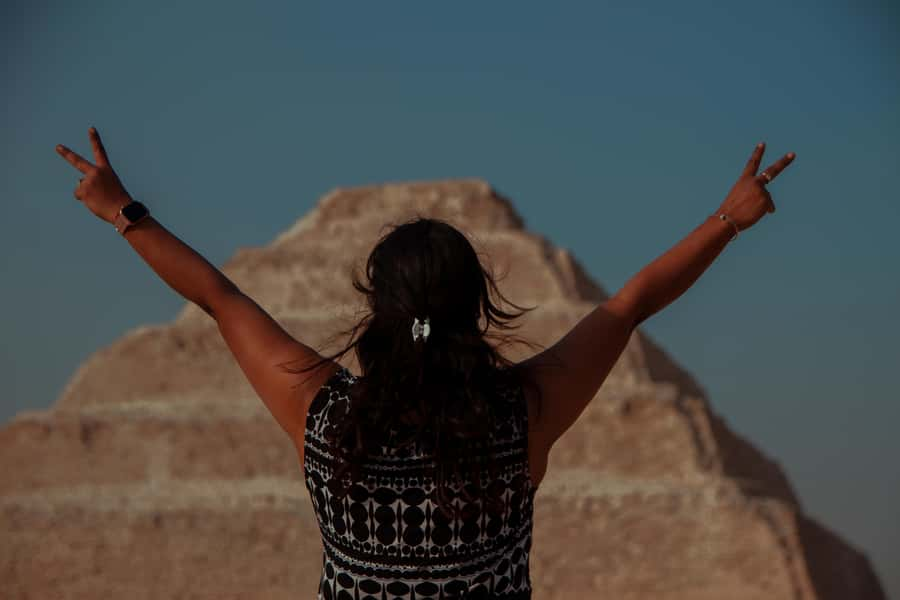
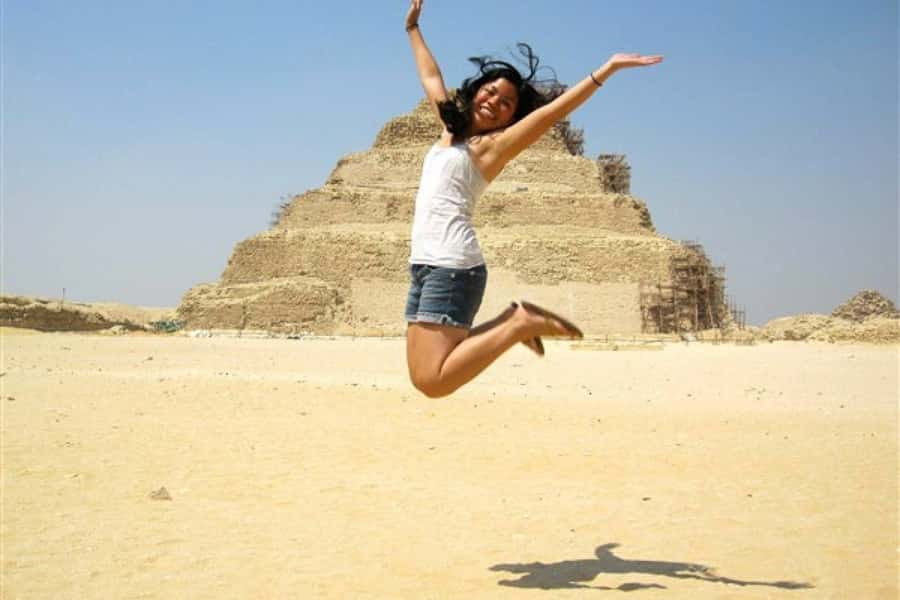
After Giza, the route heads about 16 miles southwest of Cairo to Sakkara. Here you see the Step Pyramid of King Zoser, usually treated as a key stage in the development of Egypt’s pyramid form.
This is one of the most valuable stops on the trip because it gives you a before-and-after comparison. At Giza, you see the famous smooth-sided pyramids in their mature form. At Sakkara, the Step Pyramid shows an earlier architectural idea, built in stacked levels.
The visit also breaks up the usual Cairo pyramid routine. You are not looking only at the best-known monuments. You are seeing how royal tomb design changed over time. For anyone with an interest in ancient Egypt, that progression is more meaningful than a quick photo at Giza alone.
The schedule may feel tight here. You are covering several sites in one day, and Sakkara is not just around the corner from Giza. I would listen closely to the guide rather than trying to rush every photo. A short, clear explanation of the Step Pyramid’s place in Egyptian architecture is one of the strongest educational parts of the day.
More Day Trips in Hurghada:
- Hurghada: Full-Day Trip to Cairo by Plane
★ 4.5 · 2,415 reviews - Hurghada: Cairo Pyramids, Sphinx & Egyptian Museum Day Trip
★ 4.7 · 2,271 reviews - Hurghada: Orange Bay Day Trip with Water Sports and Lunch
★ 4.9 · 1,746 reviews - 1-day trip to Cairo with flight from Hurghada / Makadi Bay / Soma Bay / El Gouna
★ 5.0 · 1,193 reviews
Memphis and the remains of an ancient capital
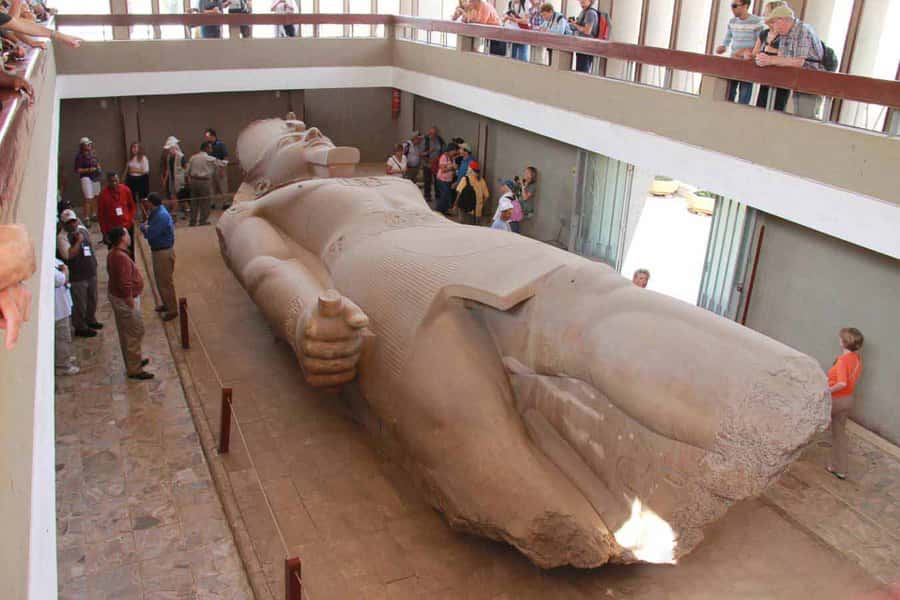
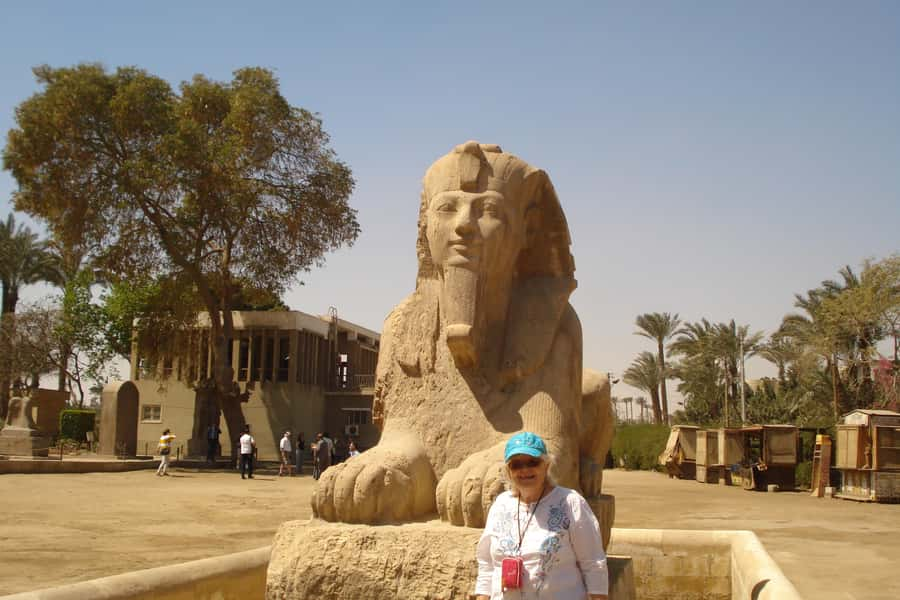
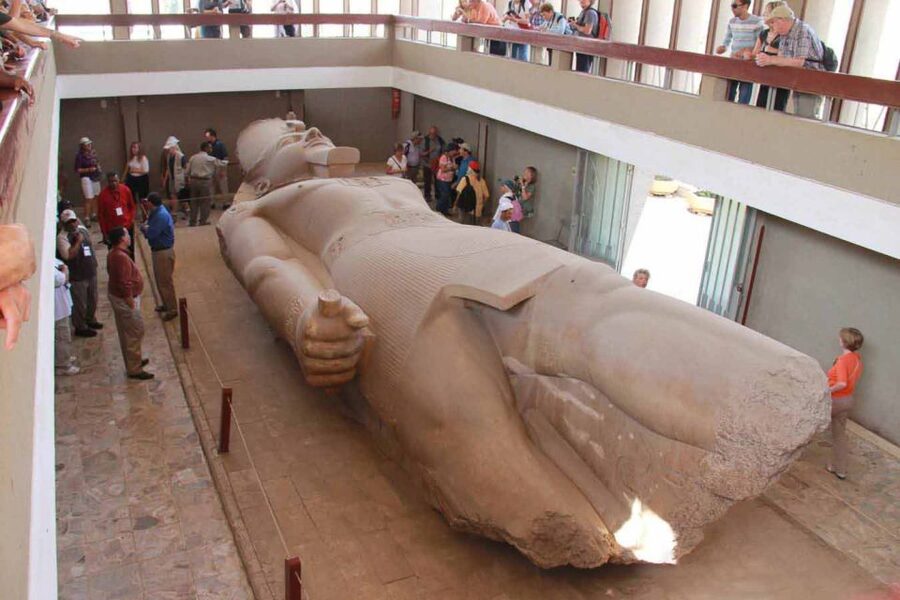
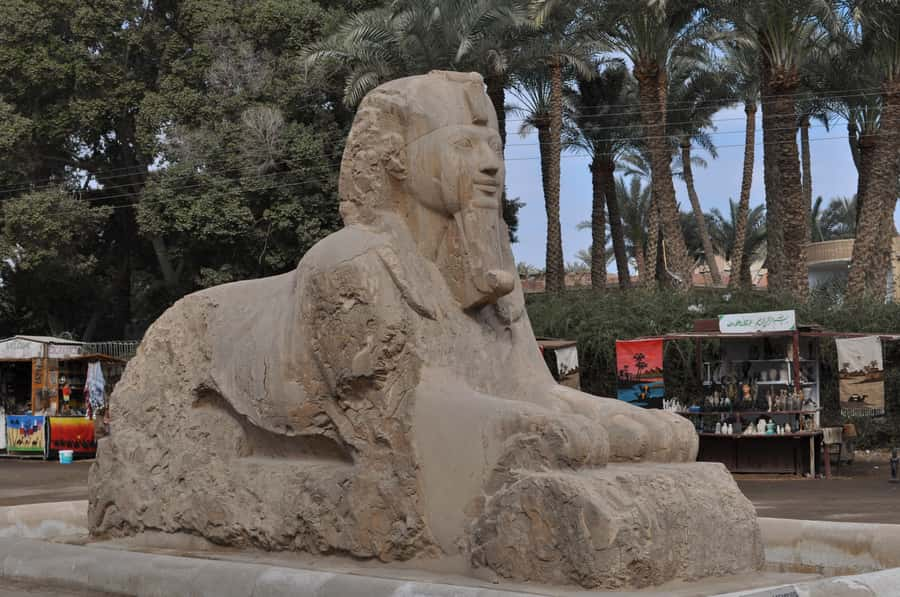
Next comes Memphis, Egypt’s ancient capital, dating back to about 3100 BC. The site is known here for the colossal statue of Ramses II and the large Alabaster Sphinx.
Memphis is a different kind of sight from Giza. You do not arrive for one enormous monument dominating the horizon. Instead, you get a look at the remains and objects connected with a city that once held major political and religious power. The Ramses statue is the visual centerpiece, while the Alabaster Sphinx adds another royal image in a smaller setting.
This stop makes sense after Sakkara. Together, they show that ancient Egypt was not only about pyramids. Capitals, temples, sculpture, administration, and burial grounds all worked together. You get a broader picture of how the ancient state functioned.
Lunch follows at a local restaurant. A full meal is included for each person, but beverages are not. The food received positive marks in the supplied feedback, though your exact menu may vary. If you have dietary needs, raise them before the trip rather than assuming the restaurant can adjust at short notice.
You may also stop at a natural-products or perfume shop during the program. One customer found the visit interesting and did not feel pressured, while the stop was still clearly connected to sales. Treat it as optional shopping time, not as a major historical sight.
A Cairo hotel night that breaks up the pace
At the end of day one, you transfer to your Cairo hotel for check-in and an overnight stay. The accommodation is described as a four-star hotel with breakfast. Several customers specifically found the hotel very good, and one noted a swimming pool and pleasant restaurants.
Dinner is not included. It may be possible to arrange dinner at the hotel, but that depends on the property and current availability. One customer paid about 13 euros per person for a buffet without alcohol, though that price should not be treated as fixed.
The hotel night is more than a box to tick. It prevents the entire visit from becoming a frantic same-day flight in and out. You can sleep in Cairo and start the second day at 8 AM. Even so, day one begins early and covers a lot of ground, so do not plan a late evening out.
The Egyptian Museum on day two
After checking out at 8 AM, you collect your luggage and leave it in the vehicle. The morning visit is to the Egyptian Museum of Antiquities, which houses more than 250,000 artifacts dating back as far as 5,000 years.
The scale of the collection can be overwhelming. You will not see everything in a single visit, and the value of a guide becomes clear here. Ask for help focusing on the objects and periods that interest you most rather than trying to absorb every display.
The museum is an important counterpoint to the pyramids. At Giza, architecture dominates. Here, you see sculpture, jewelry, funerary objects, and other pieces that show the skill and beliefs of ancient Egyptian society. The trip information also highlights the collection’s rare Egyptian art and, in one customer’s account, a particularly good experience with Tutankhamun-related displays.
Museum visits can vary depending on the day’s timing and the guide’s style. One German-speaking customer praised a guide named Kamel for his strong knowledge of Cairo and ancient Egypt. Another found a German guide’s explanations incomplete and occasionally inaccurate. That contrast is why confirming both language and guide arrangements is practical, not fussy.
The Citadel and Mohamed Ali Mosque
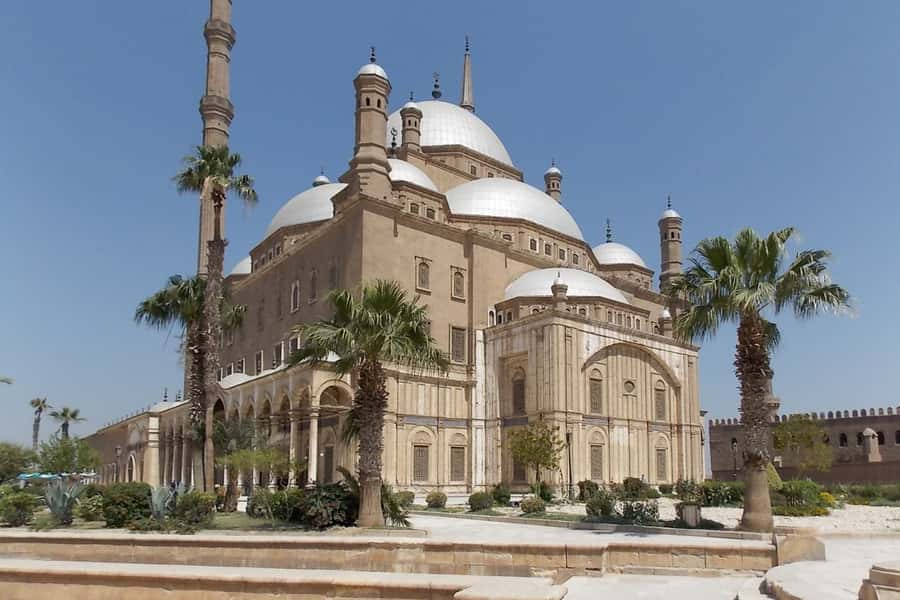
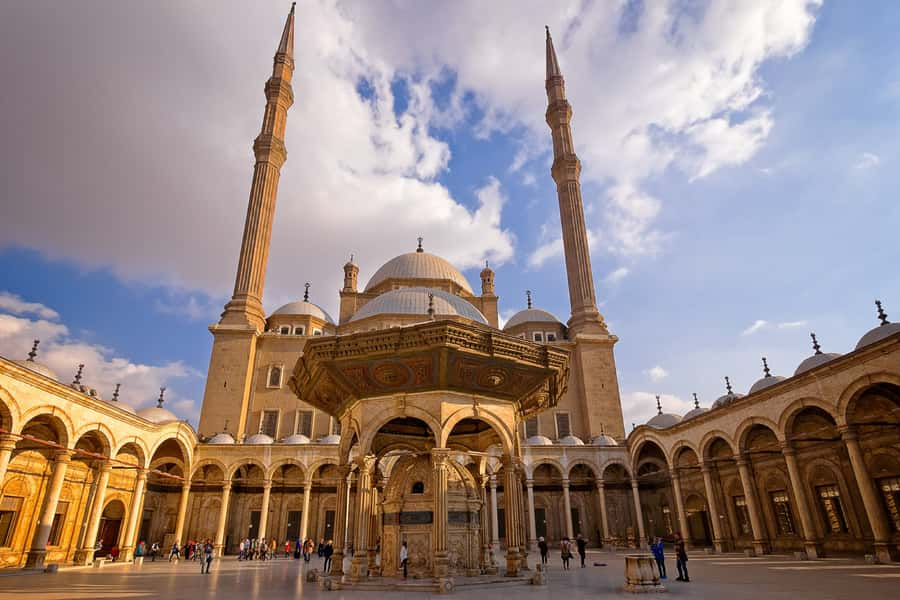
The next stop is the Citadel, where you visit the Alabaster Mosque of Mohamed Ali Pasha. This changes the focus from pharaonic Egypt to the city’s Islamic and political past.
The mosque is known for its pale stone interior and prominent domes. The visit gives you a different sense of Cairo’s scale and religious architecture after the museum’s rooms and displays. Your guide can also place Mohamed Ali Pasha and the Citadel in the story of Cairo’s later rulers.
This is one reason I like the itinerary. You are not spending two days looking at ancient tombs alone. The program moves from pharaohs to Islamic architecture and then into the living commercial quarter of Khan El Khalili.
The schedule remains brisk. Take a moment to look around rather than treating the mosque as a quick photo stop. If you enjoy architectural details, this is a place where a little extra attention pays off.
Khan El Khalili, Cairo’s best shopping stop
The final major sight is Khan El Khalili Bazaar. Its shops sell brassware, copper goods, perfumes, leather, silver, gold, and other items. You should expect sales talk and bargaining, but you do not need to buy anything.
The supplied feedback gives this stop special praise, particularly an old-city walk and a break at a café near a mosque. That is good advice. The bazaar is more enjoyable when you allow time to look, pause, and watch daily life instead of racing through the stalls in search of one souvenir.
Some shopping stops elsewhere in the program may be connected to the tour route. One customer said the natural-products and perfume visit was worthwhile and did not feel forceful. Still, you should be clear about your own budget and interests. A polite no is enough if you do not want to purchase.
Lunch comes after the Citadel and bazaar, again with beverages extra. Then you transfer to Cairo Airport for the return flight to Hurghada. Check your flight time carefully. One customer had a late return flight that did not work well with the attraction closing times, which caused frustration.
How the guides and drivers affect the experience
A private tour can feel personal and relaxed when the guide is a good match. One highly praised guide was Kamel, described as warm, honest, and deeply interested in Egyptian history. Another frequently praised guide was Mohamed, who was described as an excellent companion during the two-day program.
You should not assume that a specific guide will be assigned. The guide’s language, accuracy, and communication skills can shape the trip as much as the monuments do. Confirm the language after booking, especially if you need German, Spanish, Italian, or Arabic rather than English.
The drivers also matter because Cairo traffic and long transfers can drain your energy. Several customers found the drivers polite and the transfers smooth. But one airport pickup was delayed by a broken vehicle, with a replacement taking about 45 minutes. Another customer had trouble with the return pickup in Hurghada and had to arrange transport independently.
These problems were not universal, but they show why you should keep your phone available and make sure the operator has your correct flight and hotel details. The tour asks you to contact the provider after booking so flight availability can be checked. Do that promptly.
Is $575 a fair price?
At $575 per person, this is a convenience package rather than a bargain excursion. You are paying for air travel, a private group, airport and hotel transfers, a guide, entry fees, two lunches, and one hotel night with breakfast.
The value is strongest if you have only a short time in Egypt and want Cairo’s main sights arranged in one package. Booking flights, hotels, cars, guides, and tickets separately could take more effort and create more chances for delays.
The value is weaker if you prefer slow museum visits, long meals, or independent wandering. The two-day plan covers a lot, and the first day begins before sunrise. Drinks, dinner, personal shopping, and any optional extras are outside the price.
Free cancellation is available up to three days before the trip for a full refund. Flight availability still needs to be checked after you reserve, so do not assume the booking is fully settled until the operator confirms the flight details.
Who should book this Cairo trip?
I would choose this tour if you are staying in Hurghada, want to see both ancient and modern Cairo, and prefer a private vehicle with a guide. It is also a good fit for families or small groups that value direct transfers and the ability to move at their own pace.
You will get the most from it if you accept a full schedule and prepare for early starts. Bring your passport or ID card, practical shoes, sun protection, and money for drinks and shopping.
I would be cautious if you need guaranteed specialist commentary, exact flight times, or flawless pre-trip communication. In that case, confirm the language, pickup times, return flight, hotel, and guide before you commit.
Should you book it?
Book it if your priority is seeing Cairo’s major sights in two days from Hurghada without arranging the pieces yourself. The combination of flights, private transport, hotel, meals, and entry fees gives the trip real practical value, and the itinerary includes more than the usual pyramid photo stop.
Skip it if you want a relaxed Cairo holiday or if uncertain communication will spoil your trip. For everyone else, this is a demanding but well-filled introduction to Giza, Sakkara, Memphis, the Egyptian Museum, the Citadel, and Khan El Khalili. Confirm the flight and guide details early, and you will give yourself the best chance of a smooth two-day visit.
FAQ
How long is the trip from Hurghada to Cairo?
The experience lasts two days. You are picked up early on day one, fly from Hurghada to Cairo, and return to Hurghada by plane at the end of day two.
What is included in the $575 price?
The price includes return flights, ground transfers, a local guide, entry fees, lunch, and one night in a four-star hotel with breakfast.
Is the tour private?
Yes. It is arranged as a private group experience rather than a shared group tour.
Which languages are available for the guide?
Guides are available in English, Spanish, German, Italian, and Arabic. You should contact the provider after booking to confirm the language and flight arrangements.
Are drinks and dinner included?
No. Drinks are not included with lunch, and dinner is not included at the hotel. Dinner may be available to arrange at the hotel for an extra charge.
What should I bring?
Bring your passport or ID card. Practical shoes, sun protection, and money for drinks or optional shopping are also sensible for this two-day schedule.
Just written up around Hurghada
- Hurghada: Full-Day Trip to Cairo by Plane★ 4.1 · 513 reviews
- Hurghada: Giza Pyramids, Sphinx, Museum & Old Souq Day Trip★ 4.5 · 152 reviews
- Hurghada:Eden Island Full-Day Trip with Water sports & Lunch★ 4.8 · 65 reviews
- Hurghada: Eden Island Day Trip with Water Sports and Lunch★ 4.8 · 69 reviews
- From Hurghada: Full-Day Trip to Cairo by Plane★ 4.2 · 37 reviews
- From Hurghada: Grand Egyptian Museum Pyramids Cairo Day Trip★ 4.2 · 187 reviews
- From Hurghada:Day Trip to Luxor and Valley of the Kings★ 4.5 · 55 reviews
- Priavte Day Trip to Luxor & Valley of the Kings from Hurghada★ 5.0 · 58 reviews
Day Trips from Hurghada, side by side.
Cairo Pyramids, Sphinx & Egyptian Museum Day Trip
Read our review →
Orange Bay Day Trip with Water Sports and Lunch
Read our review →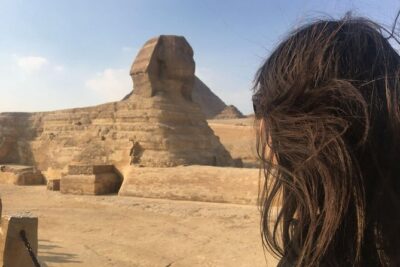
1-day trip to Cairo with flight from Hurghada / Makadi Bay / Soma Bay / El Gouna
Read our review →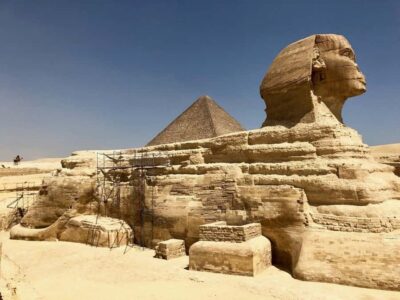
Giza Pyramids, Sphinx, Museum & Old Souq Day Trip
Read our review →Lists this day trip turns up in