
Review · DAY TRIPS FROM PERU
From Cusco: 2-Day Trip to the Sacred Valley and Machu Picchu
Machu Picchu gets the headline, but this two-day route earns its keep on day one. You see Pisac’s terraces and cemetery, walk through Ollantaytambo’s stonework, then ride the train beside the Urubamba River before reaching Aguas Calientes. It gives you a much better sense of the Inca world than a quick one-day dash.
I like the careful handoffs between guides, trains, buses, and hotels. I also like the English and Spanish guiding, especially when guides such as William, Wally, Uriel, and Lennin bring the sites to life. The main drawback is pace: Pisac, Urubamba, Ollantaytambo, the train, and Machu Picchu make for a busy two days, and the extra entrance fees for Pisac and Ollantaytambo add about $22.
Key points to know
- Pisac gives you more than a market stop: Its terraces, irrigation works, stone walls, and large Inca cemetery make it one of the day’s most useful history lessons.
- Ollantaytambo is a real archaeological complex: Temples, terraces, storehouses, and a huge monolith reward a proper guided visit.
- The train ride is part of the attraction: Choose a tourist or panoramic category, but know that one side may have better river views.
- Machu Picchu starts early: You take a bus from Aguas Calientes up to the citadel, then explore with a certified guide.
- The tour removes much of the stress: Pickup, rail tickets, buses, accommodation, entrance to Machu Picchu, and a return transfer are arranged.
- The $370 price buys convenience, not the lowest possible fare: You pay extra for planning, coordination, and support across a complicated route.
Why this two-day route works
This is a practical choice if you want Machu Picchu without hiking the Inca Trail or managing every ticket yourself. The route combines the Sacred Valley with Machu Picchu, so you get two very different sides of the Cusco region: mountain farming and Inca engineering on the first day, then the famous citadel on the second.
A small group of no more than 15 people helps. You are not moving through the sites alone, but the group should be manageable enough to hear the guide and stay together. The bilingual format also matters. English-speaking visitors have been well served by guides who explain the same places in English rather than leaving anyone to follow along as best they can.
You should still expect a full schedule. The first day begins with hotel pickup in Cusco, moves through several major stops, and ends with a train ride. The second day starts early at Machu Picchu and finishes with a train and bus back to Cusco. This is not a slow holiday, but it is an efficient one.
More Valley Day Trips in the world:
- Loire Valley Castles Day Trip from Paris with Complementary Wine
★ 4.5 · 3,907 reviews - From Las Vegas: Grand Canyon South Rim Day Trip
★ 4.3 · 2,147 reviews - Ourika Valley Day Trip from Marrakech with Guide & Lunch
★ 4.9 · 2,065 reviews
Pisac shows the working side of the Inca world
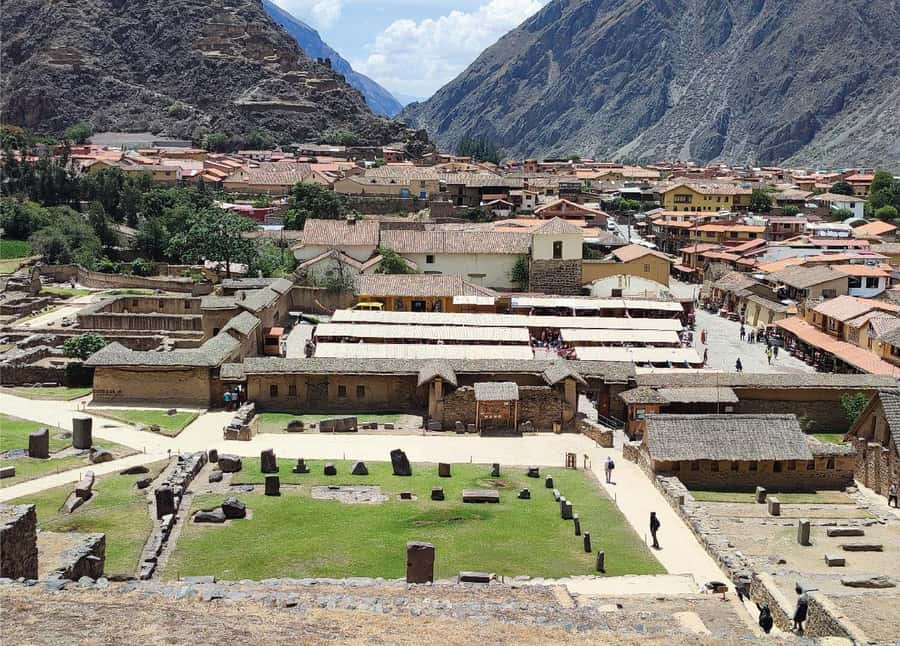
The first major stop is Pisac, where the archaeological site spreads across steep slopes above the Sacred Valley. Your guide points out stone walls, farming terraces, and irrigation systems, all clues to how the Incas worked with difficult mountain terrain.
The terraces are not just pretty steps cut into a hillside. They show how the Incas created usable farmland at different heights and managed water in a demanding environment. That context makes Pisac a valuable stop before Machu Picchu. You begin to understand that Inca achievement was not limited to temples and royal buildings.
The site also includes what is described as the largest cemetery in the Inca Empire. That adds a more serious note to the visit. It is easy to treat Pisac as a photo stop, but the cemetery and agricultural works give the place a wider human story.
Allow your guide’s explanations to shape the visit. The walls can look like a maze if you walk without context, while the terraces and irrigation channels become much easier to read when someone explains their purpose. Guides William and Wally received particularly warm praise for making the first day clear, lively, and accessible in English.
The Pisac market is useful, but keep your timing in mind
After the archaeological site, you stop at the craft market in Pisac. You can browse ceramics, woven textiles, jewelry, Andean instruments, alpaca goods, and standard souvenirs.
This is a good place to shop if you want several types of Andean handicrafts in one stop. You can compare colors and materials before buying, and you will have a guide nearby if you need help with the schedule. Still, the market is a commercial stop, not a quiet cultural visit. If shopping is not your thing, do not expect this portion to carry the same weight as the ruins.
The wider value is variety. You see the ancient site first, then a modern marketplace connected to the region’s craft traditions. I would set a clear spending limit before you arrive. The tour already includes a lot of paid elements, and small purchases can quickly add up.
Urubamba brings lunch and a change of pace
The road continues through the Sacred Valley to Urubamba, where you have time to buy lunch at a local restaurant. The meal is not included in the tour price, so plan for that extra cost.
The restaurants offer traditional dishes made with fresh products, and one traveler specifically found the day-one buffet pleasant and reasonably priced. Since the schedule is organized around a train departure later in the afternoon, you should treat lunch as a useful pause rather than a long, leisurely meal.
This stop also breaks up the morning. Pisac involves archaeological sights and market browsing, while Urubamba gives you a chance to sit down, eat, and reset before Ollantaytambo. Bring some local currency if you prefer to pay for food and drinks directly, though the tour information does not specify payment methods at the restaurants.
More Two-Day Trips in the world:
- Athens: Meteora 2-Day Trip with Hotel, Sunset & Morning tour
★ 4.7 · 139 reviews - From Amman: Petra, Wadi Rum, and Dead Sea Private 2-Day Trip
★ 5.0 · 103 reviews - Ranthambore Tiger Safari from Jaipur – 1 or 2 Days
★ 5.0 · 88 reviews - San Francisco: Yosemite Park 2-Day Trip with Accommodation
★ 4.8 · 85 reviews
Ollantaytambo is the day-one highlight for stonework
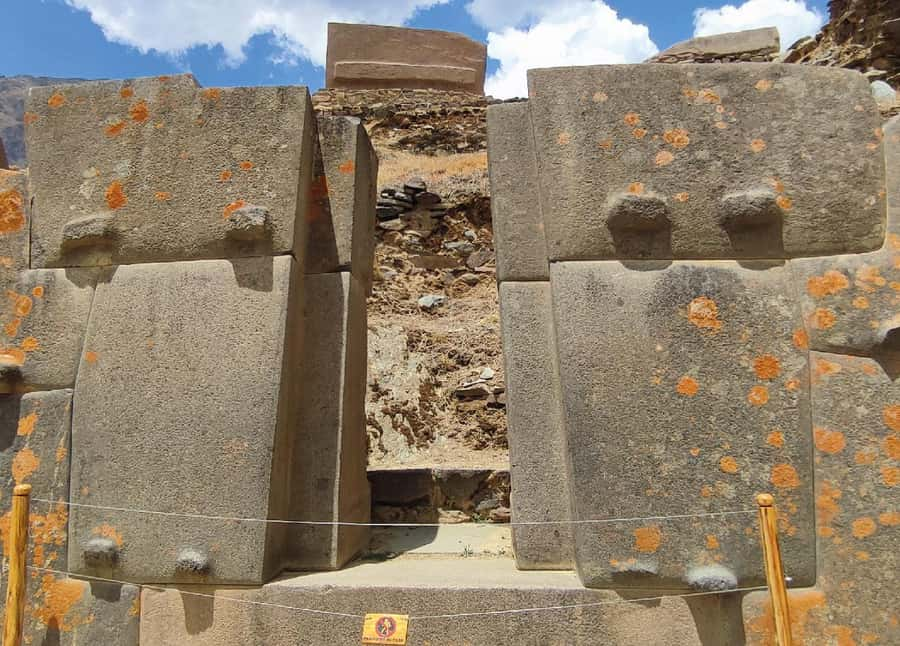
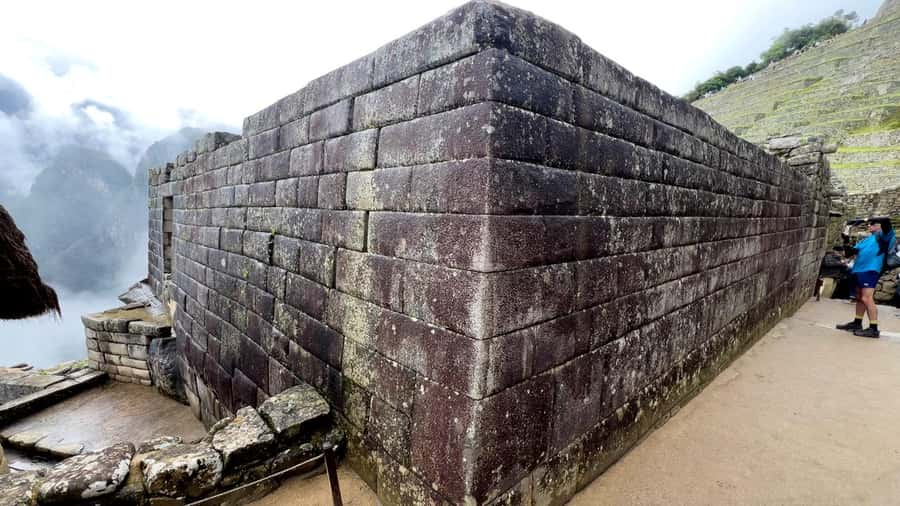
Ollantaytambo is more than a transit point for the train. Its archaeological complex includes temples, terraces, warehouses, and a large Inca monolith. The site is especially useful for understanding Inca stonecarving, because the blocks and construction techniques are central to what you see.
This is the kind of place where a good guide makes a major difference. Look closely at how the stones fit together, how the terraces climb the slope, and how the complex combines religious, agricultural, and practical structures. The site is not a single monument. It is a whole Inca settlement with several functions.
The afternoon timing can make this visit feel rushed, especially if lunch takes longer than expected. Still, it is a strong inclusion. Some quick Machu Picchu packages barely show you the Sacred Valley. This one gives Ollantaytambo enough time to make it memorable before you board the train.
The train to Aguas Calientes is part of the experience
From Ollantaytambo, you take a train to Aguas Calientes, the town below Machu Picchu. You can select a tourist or panoramic train category, depending on the option you book.
The ride follows the Urubamba River and offers some of the most enjoyable scenery of the trip. The train is not just a way to cover distance. It changes the mood from archaeological touring to anticipation for the next morning.
Seat location matters. One side of the train can offer better views of the river and canyon, and it is possible to end up on the less scenic side in both directions. You may not be able to choose your seat, but it is worth asking about the arrangement when tickets are issued. The panoramic option may appeal to you if the rail journey itself is a priority, though the supplied information does not specify exactly what extras come with each train category.
When you arrive in Aguas Calientes, someone helps direct you to your accommodation. That handoff is valuable because the station and town form part of a busy transfer point, and you do not want to spend the evening working out where to go.
An overnight in Aguas Calientes makes Machu Picchu easier
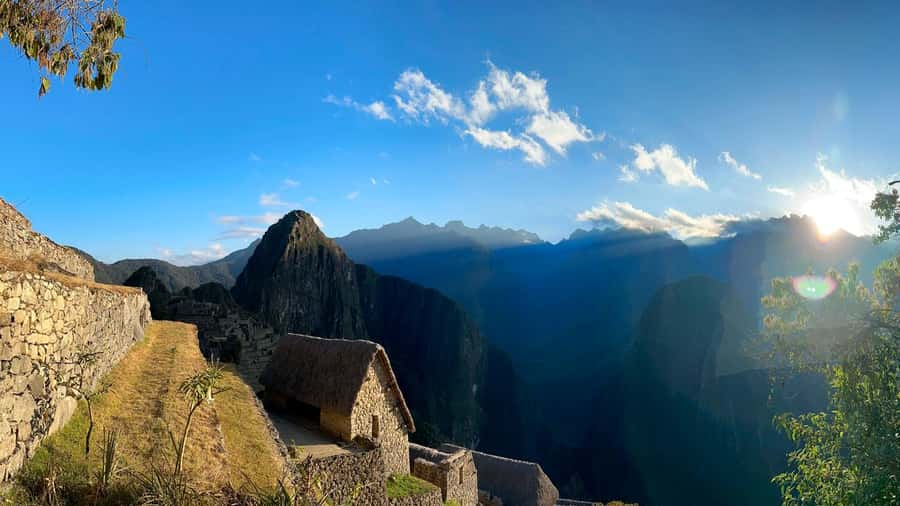
Staying overnight in Aguas Calientes is one of the smartest parts of this plan. You do not need to leave Cusco in the dark, visit Machu Picchu, and race back on the same day. Instead, you reach the town the evening before and begin the next morning closer to the mountain.
Accommodation depends on the option you choose, with standard and superior categories available. The exact hotel is not specified, so compare the accommodation category carefully before paying. The overnight stay is included only if you select the relevant accommodation option.
You also get some free time in Aguas Calientes. That gives you room to relax after the train, find dinner, or simply prepare for the early start. The pace remains busy, but the overnight stop keeps the Machu Picchu day from becoming an even longer marathon.
The bus ride up gives you your first Machu Picchu view
In the morning, you take the bus from Aguas Calientes up to Machu Picchu. The road climbs along the mountain, with views toward the Urubamba River and the canyon below.
This is a sensible place to use the organized arrangement. You do not need to figure out the bus ticket or the route to the entrance on your own. Both the round-trip bus ticket and Machu Picchu entrance are included.
Your ticket time affects the feel of the visit. One booking had a 7:00 a.m. entrance in late December, when weather reduced the views. That is a useful reminder: early entry helps with the schedule, but it cannot guarantee clear mountain scenery. Clouds and rain can change the view quickly, so pack a light waterproof layer and keep your expectations flexible.
A guided walk through Machu Picchu adds meaning
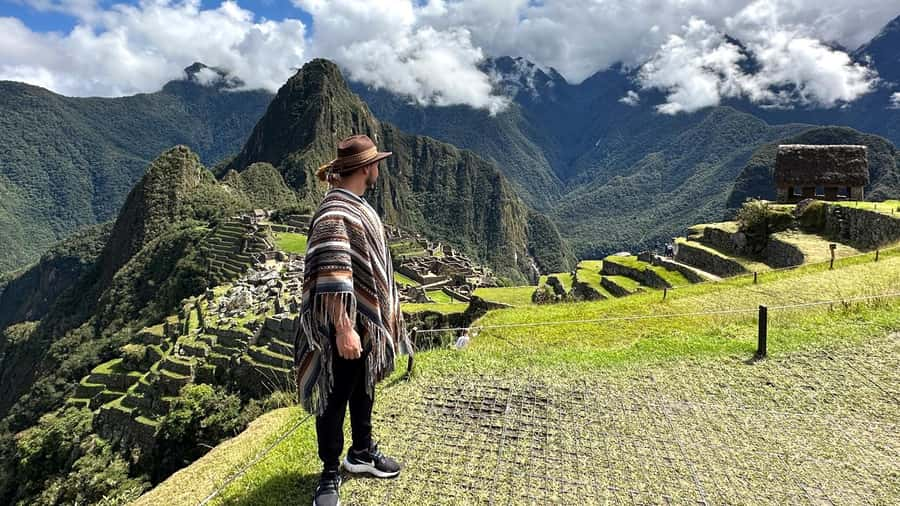
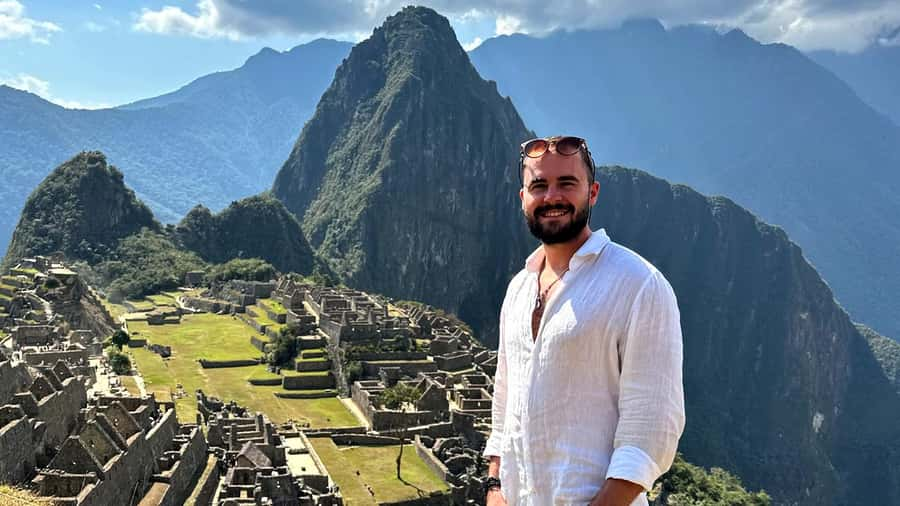
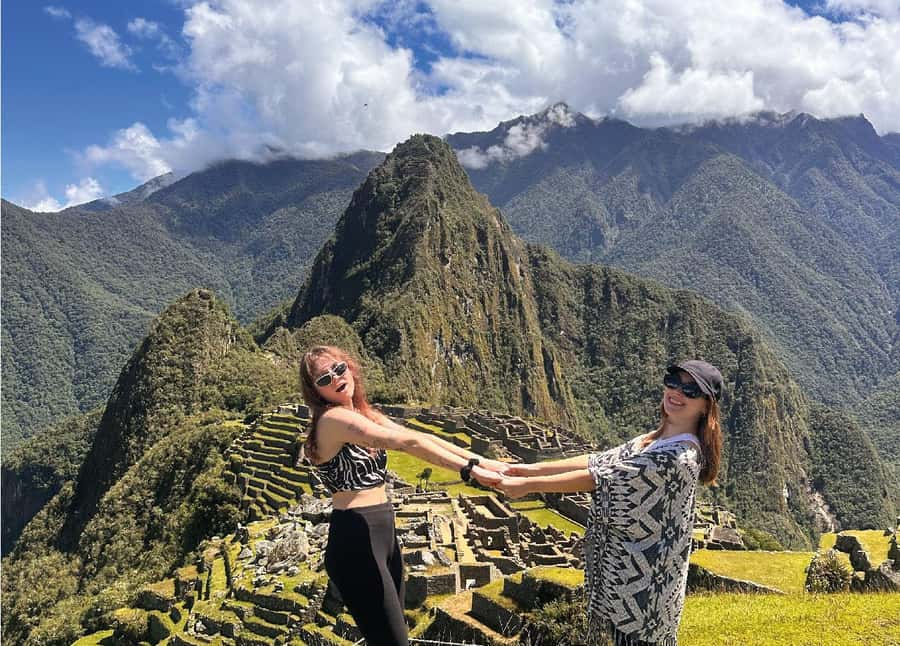
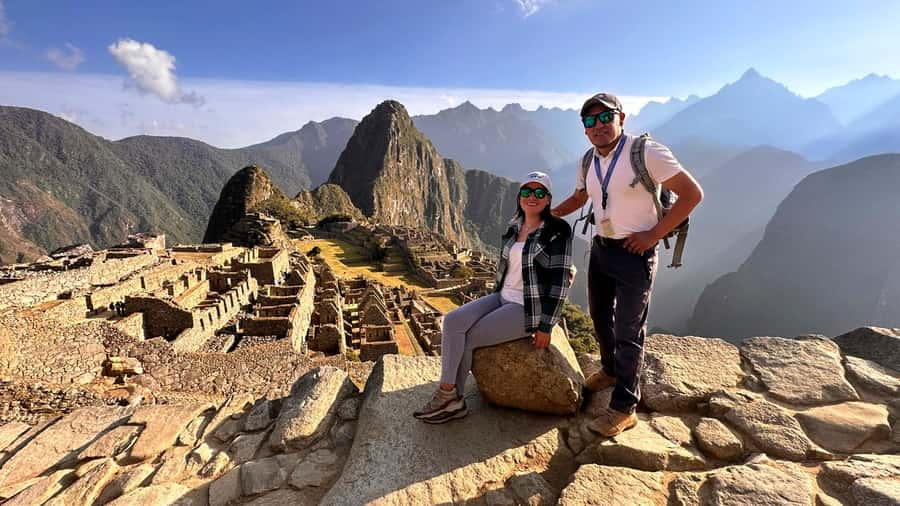
Inside the citadel, your guide leads you past terraces, stairways, and ceremonial structures. The site is impressive on its own, but the explanations help you understand how the buildings fit together and why the terraces matter.
Uriel was praised for combining strong historical explanations with a photographer’s eye, making him a particularly useful guide for visitors who want both context and good photos. Other guides, including Lennin, received equally strong personal praise. The key point is that guiding quality appears to be one of the tour’s strongest features, though individual guide assignments can change.
Do not expect unlimited wandering. Entrance rules and timed access shape the visit, and your guide will keep the group moving through the permitted route. If you want long stretches alone with the ruins, a group tour may feel restrictive. If you want the site explained without doing hours of preparation, the guided format is a good trade.
The views can also change with the weather. One visitor had poor conditions at the citadel but still found the experience memorable. You should go for the site, the stonework, and the setting, while treating the famous postcard view as a bonus.
Lunch in Aguas Calientes keeps the return simple
After the guided visit, you return to Aguas Calientes for lunch. Lunch there is included, unlike lunch in the Sacred Valley.
This is another small convenience that helps. You do not need to search for a restaurant while watching the clock for your train. The meal has been described as enjoyable, but drinks are not included, so budget for those separately.
Pay attention to the meeting time. The return train to Ollantaytambo waits on a schedule, and the bus back to Cusco is arranged around that arrival. A relaxed lunch is possible, but wandering too far or losing track of time is not wise.
The return to Cusco is long but organized
The journey back begins with the train from Aguas Calientes to Ollantaytambo. A bus then takes you from the station back to Cusco, with hotel drop-off included.
This final leg can feel tiring after two full days, but it is far less stressful than piecing together separate train, bus, and hotel transfers. The provider also offers 24-hour assistance, which gives you a contact point if a transfer question comes up.
Pickup is limited to accommodation in Cusco’s historic center. You should wait in the hotel lobby 15 minutes before the scheduled pickup. The exact pickup time may not be confirmed until a couple of days before departure because it depends on the train schedule.
Is $370 a fair price?
At $370 per person, this tour is not the cheapest way to see Machu Picchu. You might spend less by arranging train tickets, entrance, buses, guides, hotels, and transfers yourself. The price is paying for coordination as much as transportation.
The included items are substantial:
- Hotel pickup and drop-off
- Sacred Valley and Machu Picchu guiding in English or Spanish
- Round-trip train travel in the selected category
- Round-trip bus between Aguas Calientes and Machu Picchu
- Machu Picchu entrance
- Certified guides
- Accommodation, if selected
- Lunch in Aguas Calientes
- 24-hour assistance
You still need to add about $22 for entrance to Pisac and Ollantaytambo, plus lunch in the Sacred Valley and drinks. Check the final booking option carefully, especially the accommodation category and train type.
I see the price as fair for visitors who value peace of mind. The arrangements cross several separate systems, and the tour provides support at the key transfer points. If you are confident booking Peruvian trains and timed entries yourself, you can likely reduce the cost. If you would rather focus on the sites than the paperwork, the premium is easier to justify.
The activity is non-refundable, and the Machu Picchu entrance portion cannot be refunded if you cancel under the current ticket rules. That makes travel insurance and careful date selection worth considering.
Who should book this trip?
I would recommend it to first-time visitors to Peru who want the Sacred Valley and Machu Picchu in a compact package. It also suits you if you do not speak Spanish, since English-speaking guides and local representatives can explain the steps and help with transfers.
It is a good fit for people who want Machu Picchu but do not want to trek. You still get archaeological sites, mountain scenery, the train, and the famous citadel without committing to a multi-day hike.
I would hesitate if you dislike early starts, scheduled meals, group movement, or long transport days. Independent visitors who want maximum control over train seats, restaurant choices, and time at each ruin may prefer to arrange the trip themselves.
FAQ
How long is the tour?
The experience lasts two days and includes an overnight stay in Aguas Calientes.
What languages are available?
The live guides speak Spanish and English. Both the Sacred Valley portion and Machu Picchu portion include guiding in those languages.
Is accommodation included?
Accommodation is included if you select the option with lodging. Standard and superior categories are available.
Are Pisac and Ollantaytambo entrance fees included?
No. Entrance to Pisac and Ollantaytambo costs approximately $22 in addition to the tour price.
Is lunch included?
Lunch in Aguas Calientes is included. Lunch in the Sacred Valley is not included, and drinks are not included.
Where does hotel pickup take place?
Pickup is available from accommodation in Cusco’s historic center. You should wait in the hotel lobby 15 minutes before the scheduled pickup time.
Should you book it?
Book this tour if you want the Sacred Valley and Machu Picchu handled in one organized trip. Its best features are the strong guiding, the overnight in Aguas Calientes, the train journey, and the support at each transfer.
You will pay more than an independent arrangement, and the schedule leaves little room for wandering. But for a two-day visit, the route is well planned: Pisac gives you farming terraces and cemetery grounds, Ollantaytambo explains Inca stonework, and Machu Picchu provides the grand finale.
At $370, it is a practical choice for convenience. Just add the two Sacred Valley entrance fees, lunch on day one, drinks, and any accommodation or train upgrade not included in your selected package.
Just written up around the world
- Day Trips from Agadir to Marrakech with Amazing guide★ 4.5 · 26 reviews
- Agadir guided city tour half-day trip★ 4.5 · 23 reviews
- Day trip from Agadir to Massa in 4X4★ 5.0 · 31 reviews
- Day Trip From Addis Ababa See Historical Monastery,Stunning Nature,Animals,Birds★ 5.0 · 303 reviews
- “Discover Hahndorf: Wine, Cheese, Beer, Shops & Lunch Day Trip”★ 5.0 · 38 reviews
- Agadir Day Trip To Legzira & Tiznit★ 3.5 · 20 reviews
- Day trip to Adadi Mariyam and Melka kunture★ 4.5 · 20 reviews
- Murray River Day Trip from Adelaide Including Lunch Cruise aboard the Proud Mary★ 4.0 · 105 reviews
Day Trips from Peru, side by side.

From Lima: Day trip to Paracas, Ica and Oasis Huacachina
Read our review →
Lima: Paracas & Huacachina Oasis Day Trip with Wine & Dunes
Read our review →
Lima: Ballestas & Huacachina Day Trip w/ Nazca Lines Flight
Read our review →
From Arequipa: Colca Canyon Day Trip with Transfer to Puno
Read our review →
From Lima: Day Trip to Paracas, Ica & Oasis Huacachina
Read our review →
From Arequipa: Salinas Lagoon Full-Day Trip with Hot Springs
Read our review →Lists this day trip turns up in