
Review · AROUND THE WORLD
Matobo Hills Day Trip with Rhino Tracking
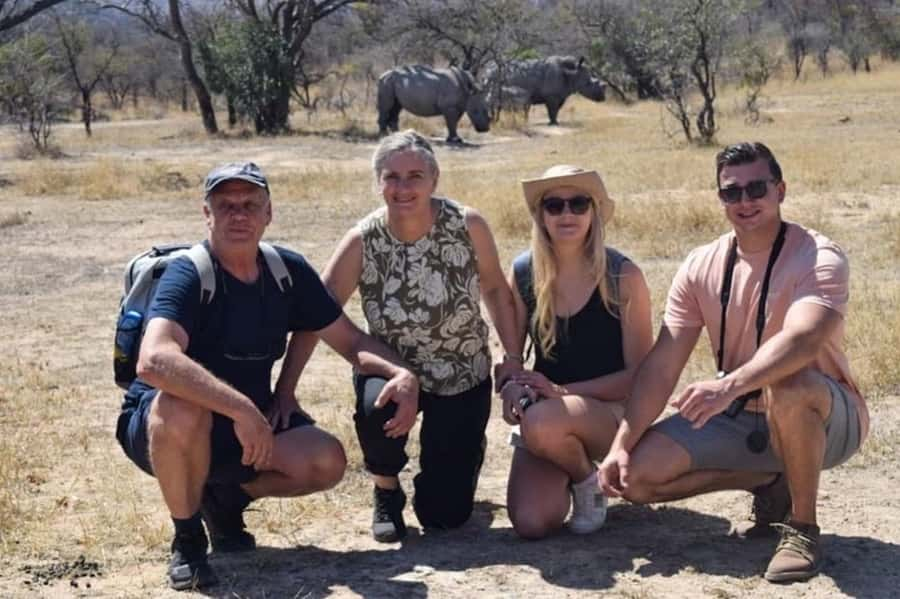
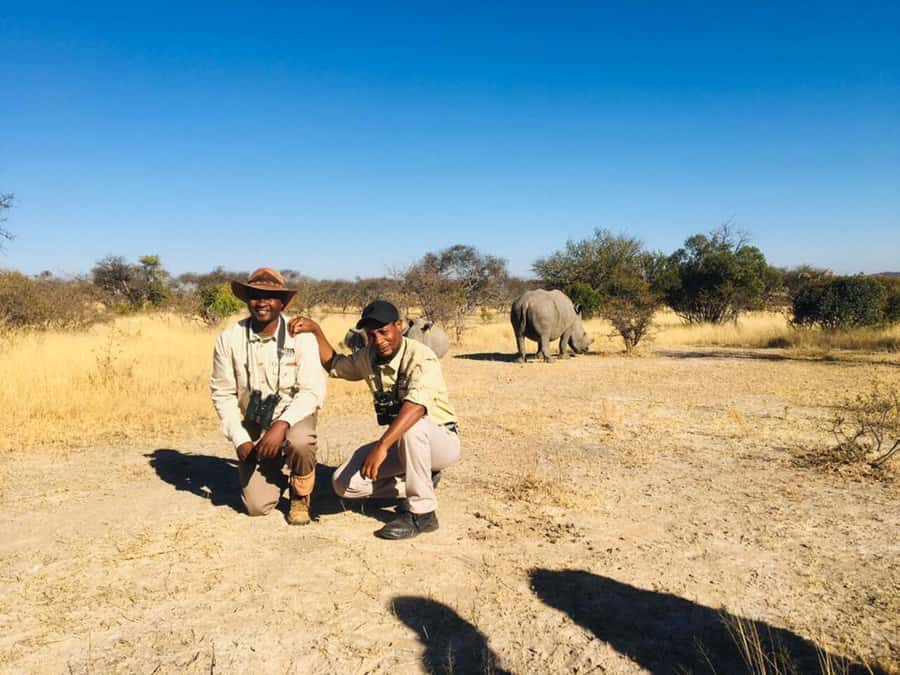
The best part of this day is the on-foot rhino tracking. You are not simply watching animals from a vehicle. With guide Blessing, a former rhino ranger, you may walk quietly through the Matobo Hills and learn how to read animal behavior before approaching on foot. The hills add plenty of variety, from ancient rock paintings and balancing rocks to wide views from Rhodes’s grave.
I like the mix of wildlife and human history, and I like that lunch, drinks, entry fees, and hotel pickup are built into the $140 price. The main consideration is physical: you need to walk on uneven ground, wear closed shoes, and cope with sun and changing weather. This is not a good choice for wheelchair users or anyone with serious back problems.
Key reasons this Matobo day trip is worth considering
- Rhinos on foot: Walk with a guide who understands rhino behavior and can explain how to keep a safe, respectful distance.
- Bushmen rock paintings: See ancient art in its original setting rather than only hearing about it in a museum.
- Cecil Rhodes’s grave: Visit World’s View and hear about Rhodes, the Ndebele Kingdom, and the conflicts that shaped the area.
- A varied seven-hour park visit: The day can include walking, a game drive, scenic stops, wildlife viewing, an arts and crafts market, and lunch.
- Strong guiding: Blessing is repeatedly praised for his punctuality, calm approach, clear English, and detailed knowledge of the rhinos and Matobo.
- Useful inclusions: Transport from Bulawayo, park fees, bottled water, drinks, snacks, and lunch help make the price easier to assess.
From Bulawayo to the granite hills
The day begins with pickup in Bulawayo, and you should look for the white open safari truck. The full outing lasts about eight hours, with roughly seven hours devoted to Matobo National Park and its surrounding sights.
That open truck matters. It gives you a better view of birds, plants, rock formations, and passing wildlife than a closed vehicle would. It also means you are more exposed to sun, wind, and dust, so a hat, sunscreen, insect repellent, and light outdoor clothing belong in your day bag.
Matobo is not a single attraction with one quick viewpoint. It is a broad area of granite domes, giant boulders, wooded patches, animal habitat, sacred places, and sites tied to Ndebele and colonial history. The drive between stops is part of the experience. Your guide can point out details that are easy to miss, including plants, birds, small animals, and the shapes formed by weathered granite.
I would treat the journey as an active day in the bush, not a sightseeing bus ride. You may spend part of the morning in the vehicle, then leave it for short walks or a longer trek. Comfortable walking shoes are essential.
More Day Trips in the world:
- Tuscany Day Trip from Florence: Siena, San Gimignano, Pisa and Lunch at a Winery
★ 5.0 · 21,634 reviews - From Amsterdam: Zaanse Schans, Volendam & Marken Day Trip
★ 4.4 · 18,501 reviews - From Munich: Neuschwanstein & Linderhof Castle Full-Day Trip
★ 4.6 · 14,646 reviews
Walking with rhinos, carefully and quietly
Rhino tracking is the main reason to book this particular outing. The aim is to find rhinos on foot, observe them closely, and learn how your group should behave around them. Sightings are never something any wildlife tour can guarantee, but this trip gives the encounter a more personal quality than a standard drive-by sighting.
Blessing’s experience as a former rhino ranger is especially useful here. He explains how to approach, when to stop, and how to react if a rhino changes direction or comes closer. The important rule is simple: listen to the guide and do not move without instructions.
Some encounters have been remarkably close, with rhinos observed at roughly six or seven metres. One young white rhino reportedly came within a few centimetres of Blessing’s knee while feeding. That is not a promise of what your group will experience, and it is a good reminder that wildlife can behave in ways you cannot script.
A rhino may appear calm while grazing, then signal discomfort with its posture or tail. Your guide’s job is to read those signs and keep the group safe. You should not treat close viewing as a chance for better photographs. The right response is quiet attention, patience, and respect for the animal.
The walking itself has been described as manageable, including a trek of about 500 metres to rock paintings. Still, the surface can be uneven, and the midday sun can be strong. If you have back problems, limited mobility, or difficulty walking over natural ground, this is a poor fit.
Rock paintings in their original setting
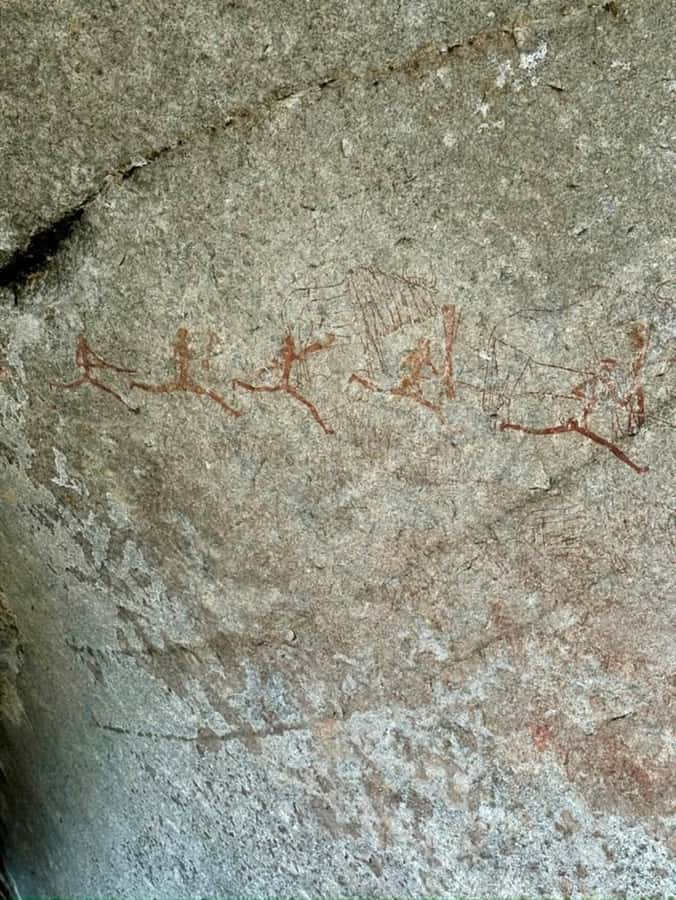
The Bushmen paintings add another layer to the day. You are not just looking at old images on a wall. You are seeing paintings on rock in the same setting where people once lived, hunted, gathered, and recorded aspects of their world.
Your guide explains the meaning and setting of the paintings, along with the connection between the area’s human past and later wildlife conservation. The rock art helped draw attention to Matobo’s importance and is part of the wider story behind protecting the area and restoring rhinos to the national park.
The paintings may be the quietest stop of the day. After the excitement of tracking animals, you get time to look closely at the rock surface and consider how much has survived in an exposed outdoor site. Do not rush this part. The value is in the setting as much as the images themselves.
You may also hear about plants used for healing and other local knowledge connected to the hills. This is where a local guide can make a major difference. A short walk becomes more meaningful when you understand how people have used and respected the area over time.
Granite domes, balancing rocks, and World’s View
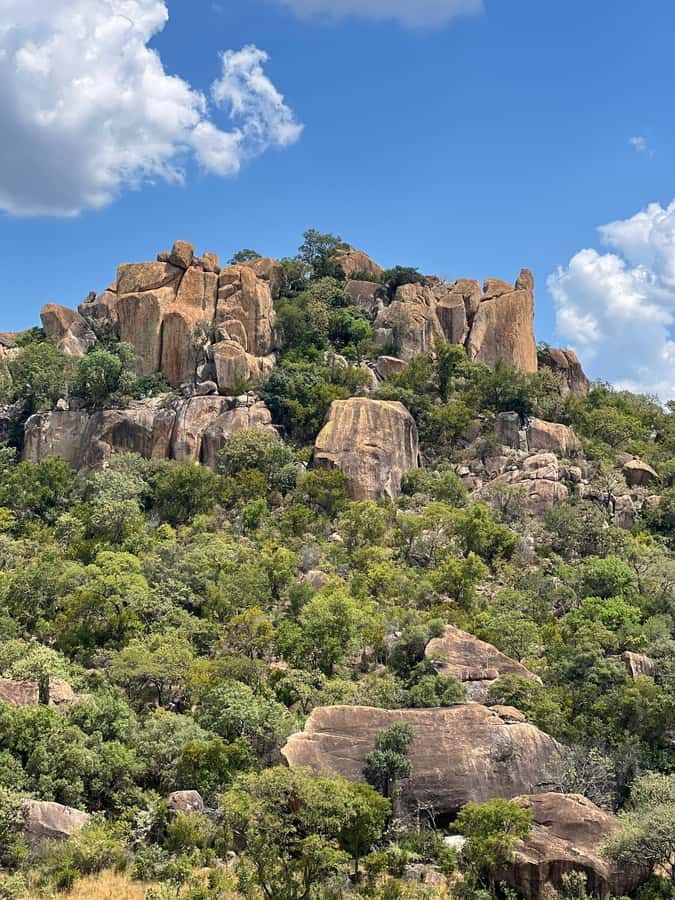
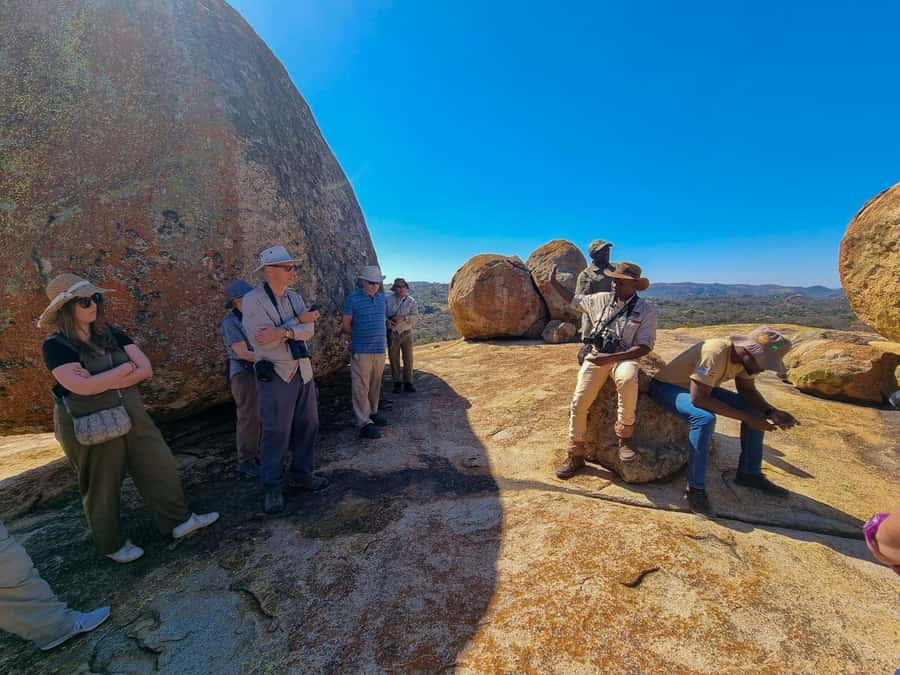
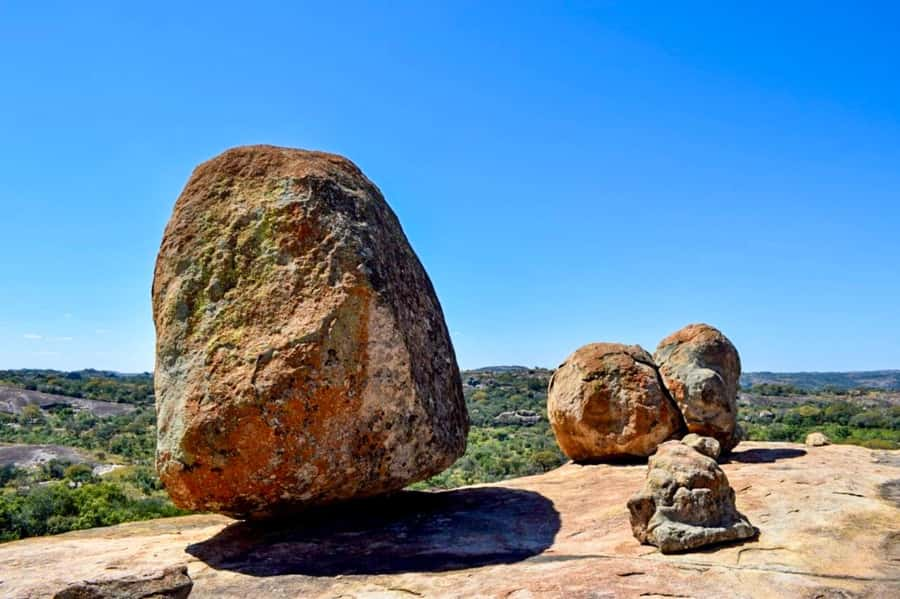
Matobo’s granite formations give the day its visual character. Huge rounded rocks appear to balance on one another, and the hills open into broad views across the surrounding country. These are excellent places to pause, take photographs, and simply enjoy the unusual shapes of the terrain.
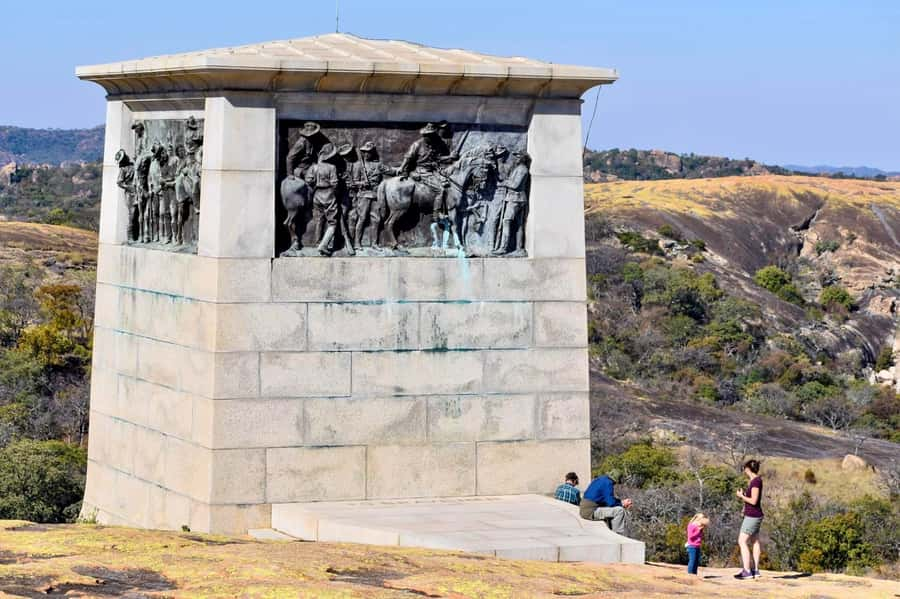
World’s View is the best-known historic viewpoint. It is the final resting place of Cecil John Rhodes, the European colonist whose name appears throughout Zimbabwe’s colonial story. The site offers a sweeping view, but it also demands some thought about who selected the place, who held power, and how the area was described by different communities.
A good guide does not reduce this stop to a single heroic story. Blessing explains Rhodes’s role, the Ndebele Kings’ dealings with early European settlers, and the Matabele wars. You also learn about the Shangani Patrol, where about 3,000 warriors killed the patrol in a major conflict between Ndebele forces and colonial troops.
That history is not separate from the scenery. Sacred sites, royal connections, colonial memorials, and battle stories all sit within the same hills. You can enjoy the view while still recognizing that it carries different meanings for different people.
The climb and walking at these sites may not suit everyone. The tour is not described as strenuous, but it is an outdoor outing with walking rather than a fully accessible sightseeing circuit. Ask about the day’s walking needs when booking if you are unsure.
Same base, a different day out:
- Lisbon: Pena Palace, Sintra, Cabo da Roca, & Cascais Daytrip
★ 4.7 · 9,981 reviews - Florence: Pisa, Siena and San Gimignano Day Trip with Lunch
★ 4.6 · 9,771 reviews - From Marrakech: Day Trip to Ouarzazate and Ait Benhaddou
★ 4.7 · 9,447 reviews - From Naples: Sorrento, Positano & Amalfi Coast – Small Group Tour
★ 5.0 · 8,643 reviews
Wildlife, birds, and the value of a local guide
Rhinos are the headline, but you should not expect the entire day to revolve around them. The itinerary also includes general wildlife viewing, bird spotting, plants, and the chance to notice smaller creatures. A guide who pays attention can turn a quiet stretch of road into a useful nature lesson.
Several visitors have singled out Blessing’s patience and his habit of pointing out small animals that might otherwise pass unnoticed. He also brings fruit, snacks, and drinks, which is practical on a full day in the sun. These touches are not the main reason to book, but they make the long outing more comfortable.
The guide’s communication style matters most during the rhino walk. You need instructions that are clear and calm, especially when an animal comes closer than expected. Blessing is also praised for adjusting the day to the interests of the group, which is helpful when some people care more about wildlife and others want more time for history or rock art.
Because the tour is in English, you should be comfortable following an English-speaking guide throughout the day. The personal nature of the guiding is a major strength, particularly for anyone who wants context rather than a series of quick photo stops.
Lunch with a view in the Matobo Hills
Lunch comes at a local restaurant or lodge in the hills. It may be later than you expect, depending on the timing of the rhino tracking and morning stops, so the included fruit and snacks are welcome.
The meal has been described as generous and very good, with local flavors and a scenic setting. A lodge lunch also gives you a proper pause after walking and wildlife viewing. You can sit, eat, and take in the surroundings without trying to watch the clock.
The exact menu is not specified, so do not book this as a food tour. The value is the combination of a prepared meal, a pleasant setting, and the relief of not needing to arrange lunch separately. Bottled water and drinks are also included.
If you have dietary requirements, ask about them before booking. The available information confirms that lunch is included, but it does not give a menu or promise specific dietary options.
Arts, crafts, and the return to Bulawayo
The day can include a visit to an arts and crafts market. This gives you a chance to see locally made items and shop if something catches your eye. Personal shopping is not included, so bring money only if you want to buy something.
This stop may be more appealing to some people than others. If you prefer wildlife and history, it is a short change of pace. If you want a useful souvenir from Matabeleland South, it can add a local touch to the day.
After the final park stops, you return to Bulawayo by the same general transport arrangement. Since pickup and drop-off are included, you do not need to arrange a separate taxi or rental car for the park. That makes the trip especially practical if Bulawayo is your base.
Is $140 good value?
At $140 per person, this is not the cheapest way to spend a day near Bulawayo, but it includes a lot: transport, a live English-speaking guide, park entry fees, rhino tracking, rock art, historic sites, wildlife viewing, lunch, bottled water, drinks, and scenic touring.
The real value comes from the guide and the range of activities. A simple transfer to Matobo would not give you the same help with rhino behavior, rock paintings, local history, and wildlife identification. You are paying for access, interpretation, and a full day that is already organized.
I would consider the price fair for someone who wants one substantial Matobo outing and does not want to arrange transport, park access, meals, and guiding separately. It is less compelling if you only want a short scenic drive or if you are mainly interested in Cecil Rhodes’s grave and do not want to walk.
The tour has a perfect five-star rating from 22 reviews, and the praise is notably consistent around Blessing, the rhino encounters, the quality of the explanations, and the lunch. That does not remove the normal uncertainty of wildlife viewing, but it does point to a strong guiding experience.
Who should book this experience?
You should book it if you want a full day that combines wildlife, archaeology, history, scenery, and food. It suits couples, solo visitors, and small groups who enjoy active sightseeing and want a guide rather than a self-drive visit.
It is also a strong choice if you are staying in Bulawayo and have only one day for Matobo. The itinerary covers several of the area’s key themes without asking you to organize separate excursions.
You may want another option if you cannot walk on uneven ground, have significant back problems, or use a wheelchair. Bright colors are not allowed, so plan to wear muted outdoor clothing. Closed-toe shoes, sunscreen, a sun hat, and insect repellent are practical essentials.
Cancellation is free up to 24 hours before departure, and you can reserve now and pay later. Starting times depend on availability, so check the schedule before committing to other plans in Bulawayo.
Should you book the Matobo rhino trip?
I would book this if rhinos are high on your list and you want more than a vehicle-based game drive. The chance to walk with a rhino guide, then move on to rock paintings, balancing rocks, World’s View, and a hilltop lunch gives you a full picture of Matobo in one day.
Book with realistic expectations. Wildlife is unpredictable, lunch may run late, and the terrain requires proper shoes and steady walking. But if you are ready for an active outing and value a guide who can handle both animal behavior and local history, Bushmen Travel Company’s Matobo Hills day trip offers very good value at $140.
FAQ
Where does the Matobo Hills day trip begin?
Pickup and drop-off are provided in Bulawayo.
How long does the tour last?
The full experience lasts about eight hours. Around seven hours are spent at Matobo National Park and its attractions.
Is rhino tracking done on foot?
Yes. The tour includes an opportunity to track rhinos on foot with a guide.
Who is the guide?
The English-speaking guide is Blessing. He is described as a former rhino ranger with extensive experience around rhinos and the Matobo area.
What other sights are included?
The day includes Bushmen rock paintings, balancing rocks, sacred sites, Cecil Rhodes’s grave at World’s View, wildlife viewing, scenic drives, and possible arts and crafts market visits.
Is lunch included?
Yes. Lunch at a local restaurant or lodge in the Matobo Hills is included.
Are park entry fees included?
Yes. All entry fees and taxes are included in the price.
What should I bring?
Bring a sun hat, sunscreen, insect repellent, and closed-toe walking shoes. Wear comfortable outdoor clothing and prepare for changing weather.
Can I wear bright colors?
No. Bright colors are not allowed on this experience.
Is the tour suitable for wheelchair users?
No. The tour is not suitable for wheelchair users or people with back problems because it includes walking on natural, uneven ground.
Just written up around the world
- Day Trips from Agadir to Marrakech with Amazing guide★ 4.5 · 26 reviews
- Agadir guided city tour half-day trip★ 4.5 · 23 reviews
- Day trip from Agadir to Massa in 4X4★ 5.0 · 31 reviews
- Day Trip From Addis Ababa See Historical Monastery,Stunning Nature,Animals,Birds★ 5.0 · 303 reviews
- “Discover Hahndorf: Wine, Cheese, Beer, Shops & Lunch Day Trip”★ 5.0 · 38 reviews
- Agadir Day Trip To Legzira & Tiznit★ 3.5 · 20 reviews
- Murray River Day Trip from Adelaide Including Lunch Cruise aboard the Proud Mary★ 4.0 · 105 reviews
- Day trip to Adadi Mariyam and Melka kunture★ 4.5 · 20 reviews