
Review · DAY TRIPS FROM JAPAN
Kyoto/Osaka: Kyoto and Nara Sites & History Day Trip
This is a big sightseeing day with one clear aim: pack Kyoto and Nara’s headline sights into a single private trip from Osaka. You can move from the red torii gates of Fushimi Inari to deer-filled Nara Park, then on to bamboo, golden temple roofs, old lanes, and a food market without sorting out several train and bus connections yourself.
I like the private group format for up to six people, especially if your party includes older family members or you have only one free day. I also like the range of places covered, from Kiyomizu-dera and the lanes of Higashiyama to Todaiji Temple and Nishiki Market. The drawback is simple: this is a packed 10-hour schedule. Kyoto and Nara deserve several days, and traffic or a slow start can force you to shorten a stop. One visitor had to skip Nara because the day ran short, so do not expect a leisurely visit everywhere.
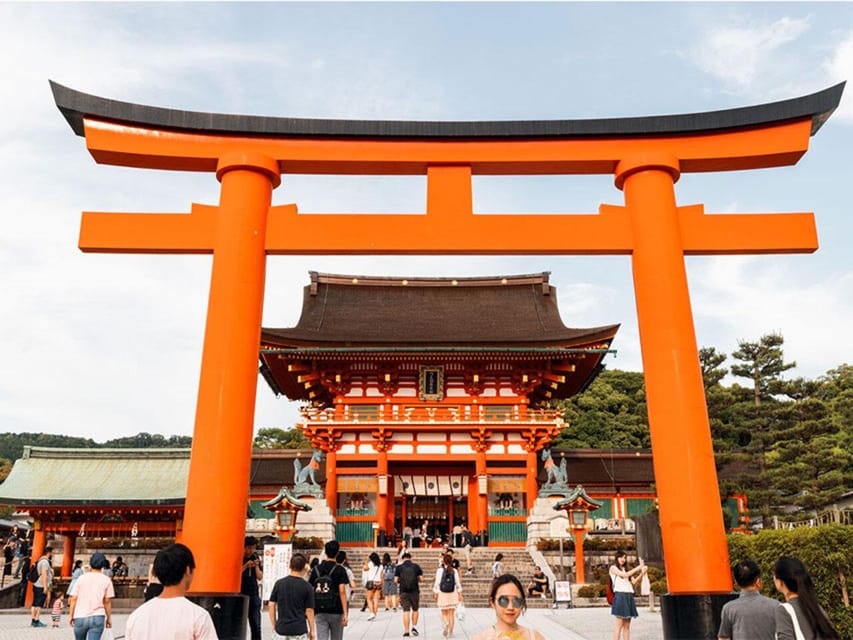
- Fushimi Inari’s Senbon Torii: Walk beneath the famous orange gates and see the shrine’s distinctive fox-themed ema plaques.
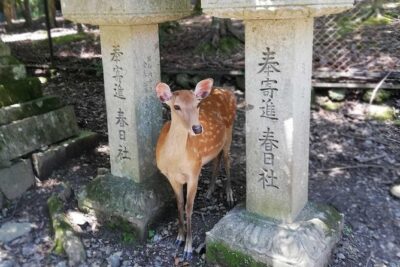
- Nara Park deer: Feed the deer, but keep your hands and belongings clear. The animals can crowd around you and knock into you.
- Six-person private transport: Hotel pickup, an air-conditioned vehicle, and a guide make a complicated sightseeing day much easier.
- Kyoto’s old streets: Kiyomizu-dera, Nineizaka, Sanneizaka, Ishibei-koji, Hanamikoji Street, and Yasaka Shrine give you a concentrated look at old Kyoto.
- Optional kimono photograph: Rental costs extra, but advance booking can add a memorable cultural photo to the day.
- A guide can shape the day: Rana, Tahir, Hamza, Nomi, Muhammad, and other guides have been assigned to this experience. Ask when booking if you have a preferred guide.
One long day from Osaka to Kyoto and Nara
The tour lasts about 10 hours, with pickup and drop-off offered in Osaka, Kyoto, or Nara. That flexibility matters if you are staying outside central Osaka or arriving from a cruise, but you should confirm the exact pickup time and location before setting out.
You travel by air-conditioned coach or private vehicle with an English-speaking guide. The private setup means your group does not have to match the pace of a large bus tour. You can ask questions, request help with tickets, and sometimes adjust the order or add a short stop if time allows.
Do keep the schedule in perspective. The route includes Nara, Nara Park, Todaiji, Kyoto, Arashiyama Bamboo Forest, Kinkaku-ji, Fushimi Inari, Kiyomizu-dera, and Nishiki Market. That is a lot for one day. You will see the major sights, but you will not have hours to wander at each one.
The price is $670 per group of up to six people. For six people, that is about $112 per person before entrance fees, meals, and kimono rental. For two people, the per-person price is much higher, but the value improves if you place a high price on door-to-door transport, a private guide, and not having to manage Kyoto’s complex bus and train network.
Nara Park and the deer of Wakakusa
Nara comes early in the route, with a guided visit of about 110 minutes in Nara followed by roughly 30 minutes in Nara Park. The exact timing can change, but the purpose is clear: give you a quick introduction to one of Japan’s oldest cultural centers before heading into the park.
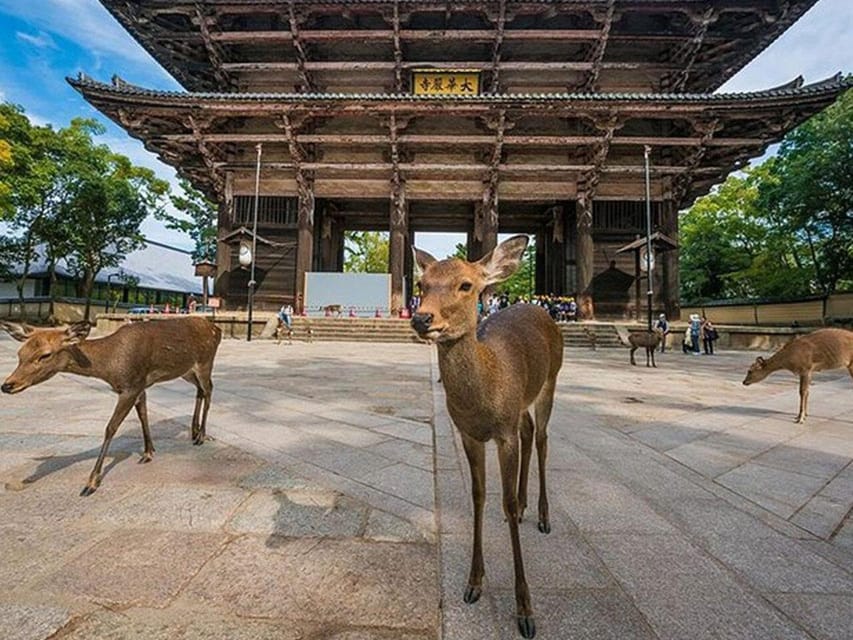
Nara Park sits at the foot of Mount Wakakusa. Its large deer are accustomed to people and can be fed, which makes this one of the most playful parts of the day. Buy or receive deer crackers only when you are ready to use them, and be prepared for several animals to approach at once. Keep your hands open after the food is gone, and hold maps, snacks, and loose belongings securely.
The deer are charming, but they are not tame pets. They can push, nip, or knock into you while competing for food. This is especially important for young children, older people, and anyone unsteady on their feet.
Nara Park works best when you treat it as more than a photo stop. Watch how the deer move through the grounds, notice the mountain backdrop, and take a few quiet minutes away from the busiest paths. The tour gives you a taste rather than a full day in Nara, but the animal encounters make the stop memorable.
More History Days Out in Japan:
- From Tokyo: Nikko World Heritage Site Private Full-Day Trip
★ 4.9 · 243 reviews - Tokyo: Nikko World Heritage Private Day Trip Hotel Pick-up
★ 4.8 · 145 reviews - Nikko Heritage & Nature Day Trip from Tokyo
★ 4.8 · 94 reviews
Todaiji Temple and the scale of Nara
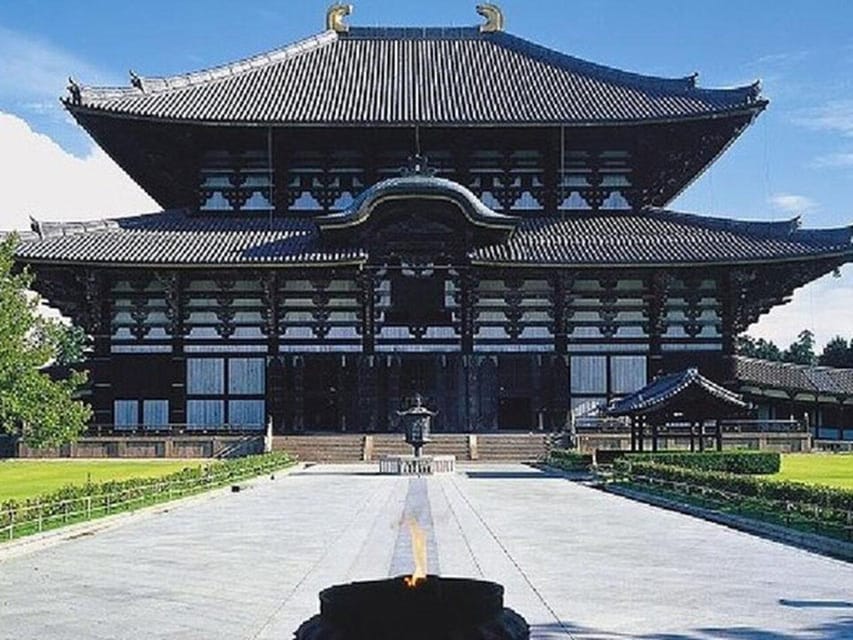
Todaiji is one of the day’s major temple visits. Entrance is not included, so you need to pay the admission fee on site. The itinerary allows time to visit, take photos, and explore independently, but the exact length depends on traffic and the rest of the day.
The temple is famous for its enormous Buddhist image and immense wooden hall. Even if you are not deeply interested in religious architecture, the scale is hard to ignore. Your guide can provide context before you enter, then you can spend your free time looking at the building and grounds at your own pace.
Bring comfortable shoes. The day includes temple grounds, stone lanes, park paths, and shrine approaches, and there is a moderate amount of walking. Todaiji is not a place to rush through in dress shoes.
Kyoto’s old lanes around Kiyomizu-dera
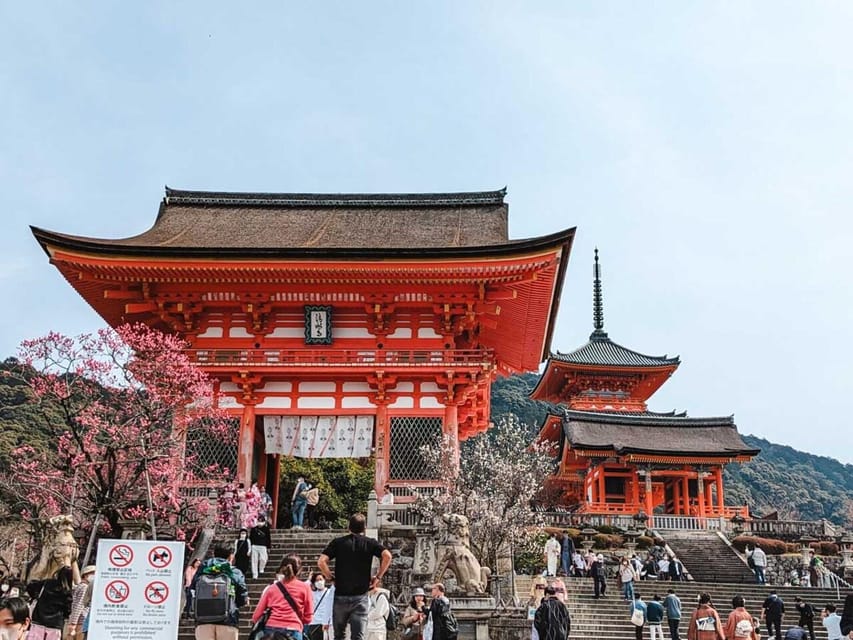
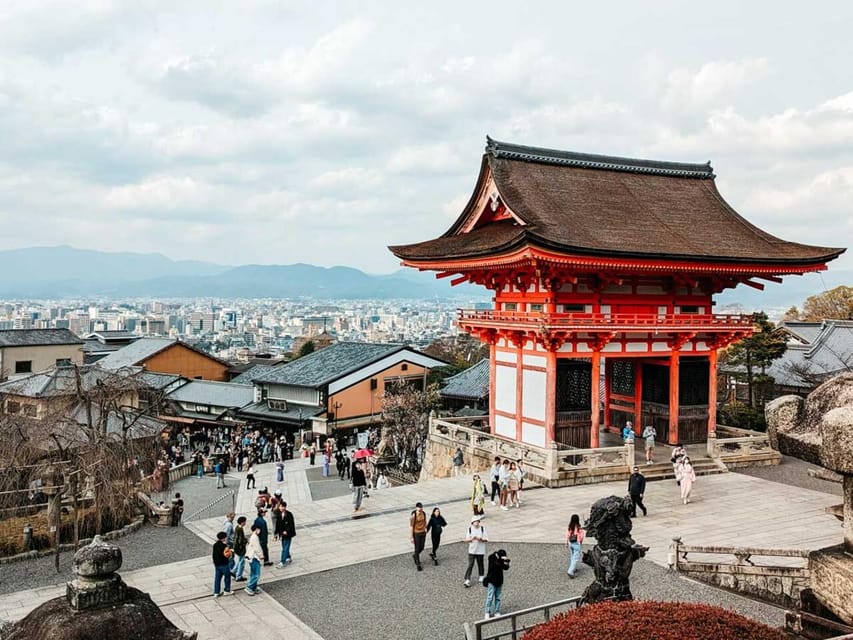
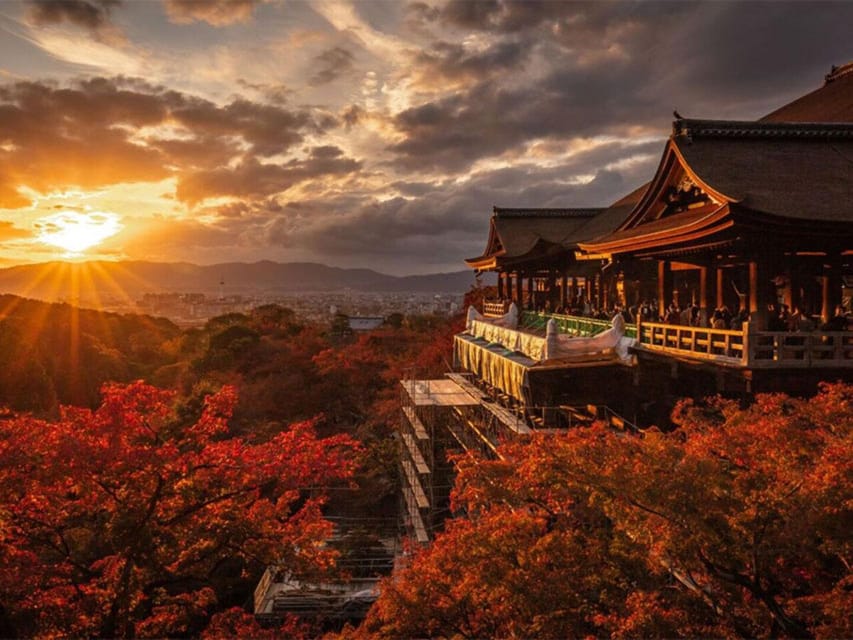
Kiyomizu-dera is one of Kyoto’s best-known temples and a UNESCO World Heritage site. The temple entrance fee is extra, and the approach can be crowded, particularly during popular sightseeing hours.
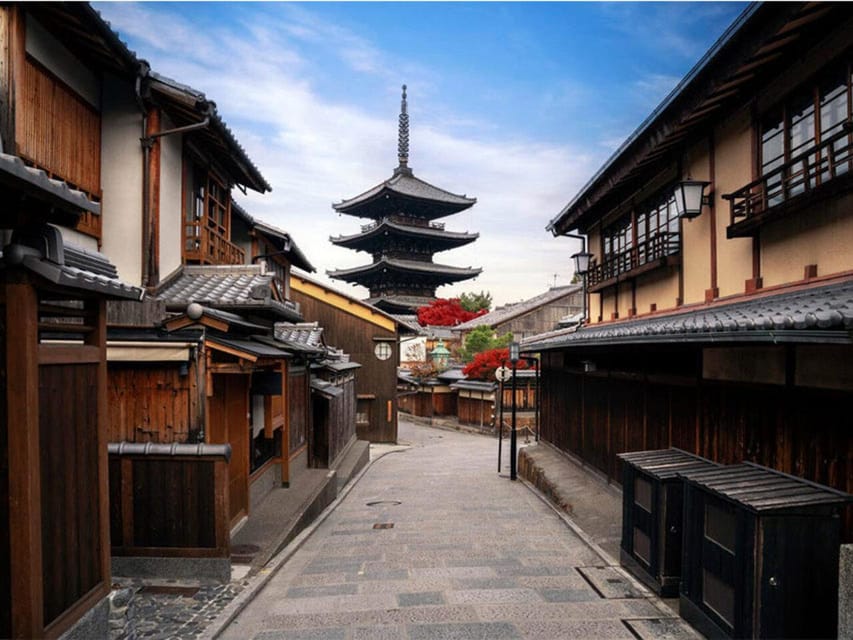
The more atmospheric part of this stop is the walk through the surrounding streets. Nineizaka and Sanneizaka are old sloping lanes lined with traditional-style buildings, shops, and snack stops. Ishibei-koji Alley offers a quieter, narrower passage, while Hanamikoji Street gives you another look at Kyoto’s preserved townscape. Yasaka Shrine adds a major Shinto site to the route.
These streets are photogenic, but they are not empty museum pieces. You will share them with shoppers, tour groups, and people moving between attractions. Watch your footing on slopes and uneven paving, and keep your belongings close in crowded sections.
This is also the part of the day where the optional kimono experience fits naturally. Rental is not included and should be booked ahead. You can take a photo in traditional clothing among Kyoto’s old streets, but remember that changing, fitting, and returning the kimono takes time from sightseeing.
Fushimi Inari’s red gates
Fushimi Inari Taisha is one of the most recognizable sights in Japan. Its Senbon Torii, or thousands of red-orange gates, climb the wooded slopes behind the shrine. The lower section is the easiest place to see the visual effect if your schedule is tight.
Your guide can explain the shrine’s role and point out the distinctive ema plaques, where visitors write prayers and wishes. You can also take time to pray for yourself and your family. The atmosphere changes as you move away from the main entrance, but the full mountain route takes far longer than the time available on this tour.
Wear shoes with good grip. The torii path includes steps and slopes, and even a short visit involves walking. Flash photography is not allowed, and you should follow shrine rules around worship areas.
Fushimi Inari is one of the tour’s strongest stops because it feels different from the grand temple halls. The repeating gates create a long, shaded corridor, while fox imagery connects the shrine to its traditional purpose. If you want a less crowded experience, ask your guide whether the schedule can place this stop at a quieter time, though traffic and opening hours may limit the choice.
More Day Trips in Japan:
- From Tokyo: Mount Fuji Customizable Private Day Tour
★ 4.9 · 1,070 reviews - Nara Half Day Trip Walking Tour (Private Option Available)
★ 5.0 · 937 reviews - Tokyo: Mt. Fuji, Kamakura, Big Buddha, & Lake Ashi Day Trip
★ 4.5 · 867 reviews - Mt Fuji Private Day Trip from Tokyo with English speaking driver
★ 5.0 · 846 reviews
Arashiyama Bamboo Forest and Kinkaku-ji
The itinerary also includes Arashiyama Bamboo Forest, with about an hour for a photo stop, a visit, and free time. The bamboo is striking, especially when tall green stalks close in around the path. One hour is enough to walk a short section and take photographs, but not enough to explore every part of Arashiyama.
This stop can feel crowded, so set realistic expectations. You are unlikely to have the path to yourself. Still, the forest gives the day a change of pace after shrines, temple halls, and city streets.
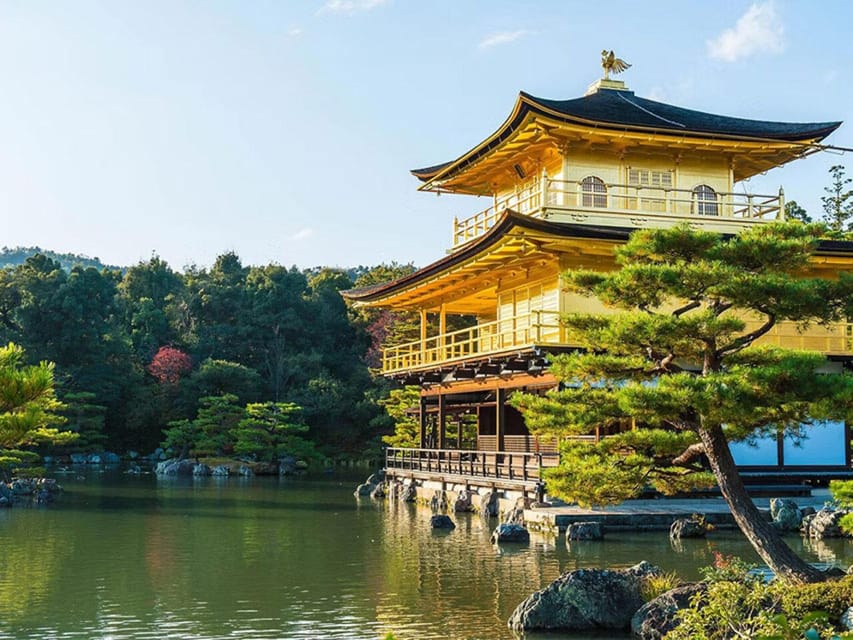
Kinkaku-ji, the Golden Pavilion, is another major Kyoto sight. The building’s gold-covered exterior reflects over a pond, creating one of the city’s most famous views. You generally see it as part of a set route through the grounds rather than as a long, quiet visit. Your guide can explain the site before you walk around, while the pace lets you keep moving toward the later stops.
The visit is visually rewarding but brief. If Kinkaku-ji is your personal priority, tell the guide at the start. A private group gives you a better chance of discussing how to use your limited time.
Nishiki Market and finding room for lunch
Nishiki Market is the food-focused stop near the end of the day. It is a useful place to look for snacks, local ingredients, and small meals, though the market can be crowded and narrow.
Meal costs are not included. You can use free time to choose food yourself, or ask your guide for a recommendation. Rana has taken groups to a Japanese-Chinese restaurant, and another route included lunch at Nishiki Market. These details are not guaranteed, but they show why it helps to tell your guide what you eat and how much time you have.
Do not assume Nishiki will be a long sit-down lunch. Depending on the day’s traffic and earlier stops, you may have time only for a quick meal or browsing. If food is important to you, mention it when the day begins rather than waiting until the final stop.
What the guides add to the day
The guide is central to the value of this experience. Guides assigned to the tour have included Rana, Tahir, Hamza, Nomi, Muhammad, and others. The strongest descriptions of the day point to guides who explain history in plain English, take family photos, adjust the route, help with tickets, and keep the mood light during bad weather.
Nomi has been praised for staying patient in the rain, finding good photo spots, and helping a family enjoy the day. Rana has been especially associated with flexible private touring, restaurant suggestions, Japanese phrases, visual explanations, and help with last-minute shopping requests. Tahir has guided small groups through Kyoto and Nara with attention to art, culture, and local history.
You cannot assume a particular guide unless the operator confirms it. Still, the private format gives you a chance to state your priorities clearly: more temple time, fewer shopping stops, a kimono photo, a short lunch, or easier walking routes.
The private vehicle is another useful feature. Several people used this service because they did not want to navigate trains and buses across two cities. Drop-off near entrances can reduce walking, heat exposure, and confusion, though the tour still includes a moderate amount of walking once you reach the sights.
Who should book this Kyoto and Nara tour?
I would consider this tour if you have one day for the Kansai highlights and want transport handled from start to finish. It fits families, small groups, cruise passengers, and visitors who find public transport intimidating or tiring.
It also suits people who want a guide but prefer some independent time at the sights. You are not led every second. You receive transport and orientation, then get periods to explore, shop, photograph, or pray on your own.
It is less suitable if you want a slow cultural experience. Kyoto alone can fill several days, and this route touches many places without allowing long stays. It may also be uncomfortable for anyone with back problems, anyone who is pregnant, or anyone who struggles with slopes, steps, and extended walking.
The information provided is inconsistent about wheelchair access. The activity details describe it as wheelchair accessible, while the additional restrictions say it is not suitable for wheelchair users. Confirm the vehicle, entrances, and walking requirements directly before booking.
Bring water, sunscreen, a hat, a camera, and comfortable walking shoes. Be ready for changing weather. Smoking and flash photography are not allowed, and crowded areas call for extra care with wallets and phones.
Should you book it?
Book this private day trip if your main goal is to see as much of Kyoto and Nara as possible without managing the transport yourself. The $670 group price makes the most sense for five or six people, especially when hotel pickup, a private vehicle, and an English-speaking guide are useful to your group.
Do not book it expecting an unhurried tour. The schedule is ambitious, entrance fees and meals cost extra, kimono rental costs extra, and a late start or traffic can cut time at Nara. If you accept those limits, this is an efficient first look at the Kansai region, with enough flexibility to feel personal rather than like a standard crowded bus excursion.
Free cancellation is available up to 24 hours before departure, and you can reserve now and pay later. That helps if your plans are still shifting, but it does not change the central decision: choose this for coverage and convenience, not for lingering.
FAQ
How long does the Kyoto and Nara day trip last?
The activity lasts 10 hours. Starting times vary, so you need to check availability when selecting a date.
Where can pickup and drop-off take place?
Pickup and drop-off options include Osaka, Kyoto, and Nara. Confirm the exact meeting point and timing before the tour.
Is transportation included?
Yes. Hotel pickup and drop-off, an air-conditioned vehicle, and a professional English-speaking guide are included.
Are temple entrance fees included?
No. Entrance fees for Kiyomizu-dera and Todaiji Temple are not included and must be paid on the day. Other attraction costs should also be confirmed before departure.
Is kimono rental included?
No. Kimono rental costs extra. Advance booking is recommended if you want to add the kimono photo experience.
Can I cancel the booking for a refund?
Yes. You can cancel up to 24 hours in advance for a full refund. The tour also offers a reserve-now, pay-later option.
Just written up around Japan
- Tokyo: Mount Fuji 5th Station & Onsen Day Trip★ 4.3 · 75 reviews
- Tokyo Private Day Trip With English Speaking Driver★ 4.9 · 34 reviews
- Tokyo → Nikko:Private Customizable Day Trip (English Driver)★ 4.9 · 26 reviews
- Tokyo: Mount Fuji and Hakone Private Sightseeing Day Tour★ 4.9 · 76 reviews
- From Tokyo:Mount Fuji&Hakone Customize Full Day Private Tour★ 4.8 · 27 reviews
- Tokyo: Onsen, Arts, and Nature Day Trip to Fuji and Hakone★ 5.0 · 66 reviews
- Tokyo: A Half-Day Trip Bus Tour in the Morning★ 4.6 · 236 reviews
- Tokyo: Nikko World Heritage Private Day Trip Hotel Pick-up★ 4.8 · 145 reviews
Day Trips from Japan, side by side.
Nara Half Day Trip Walking Tour (Private Option Available)
Read our review →
Mt. Fuji, Kamakura, Big Buddha, & Lake Ashi Day Trip
Read our review →
Mt Fuji Private Day Trip from Tokyo with English speaking driver
Read our review →
Nagano: Snow Monkeys, Zenkoji Temple & Sake Day Trip
Read our review →
Mt Fuji, Arakurayama and Kawaguchi Lake Day Trip
Read our review →
Tokyo Private Day Trip – Enjoy Your First-Time Visit to Tokyo!
Read our review →
Mt. Fuji Day Trip from Tokyo with English Speaking Driver Guide
Read our review →Lists this day trip turns up in