
Review · DAY TRIPS FROM SEVILLE
From Seville: Doñana National Park Day Trip
Doñana National Park gives you a full day in one of southern Spain’s great wild spaces, with marshes, pine woods, rice fields, dunes, and Atlantic shore all packed into one long outing from Seville. Birdlife is the main event, and flamingos, storks, egrets, kites, and raptors are all possible. The Iberian lynx is possible too, but never promised.
I like the broad route and the guides’ sharp eyes. José has repositioned the van for better bird views, while Sergio, Patricia, Luis Miguel, and others have earned praise for their enthusiasm and field knowledge. I also like the chance to see both inland wetlands and a pristine Atlantic beach in one day. The catch is that this is a driving-heavy tour, with less walking than some people expect and only a short beach stop on certain departures.
Key points to know before booking
- North-to-south route: Visit the marshes near Dehesa de Abajo, El Rocío, La Rocina, Matalascañas, and the Asperillo dune area.
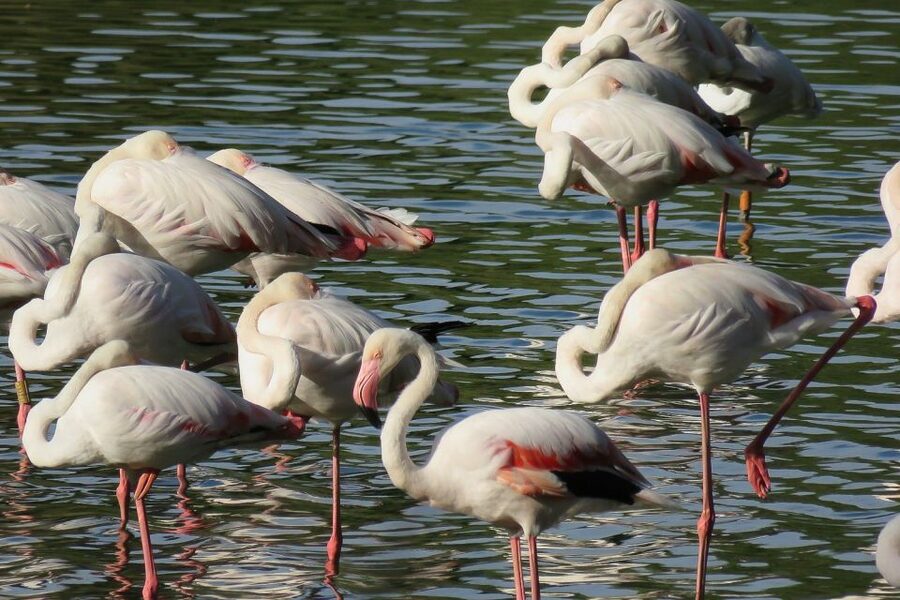
- Best for bird lovers: Flamingos, storks, egrets, herons, ibis, ospreys, and many other species may appear.
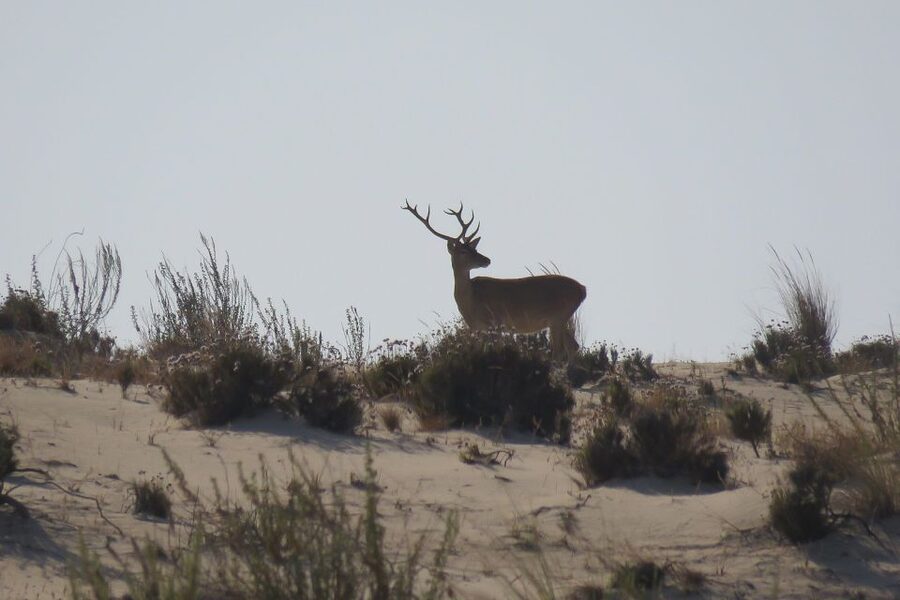
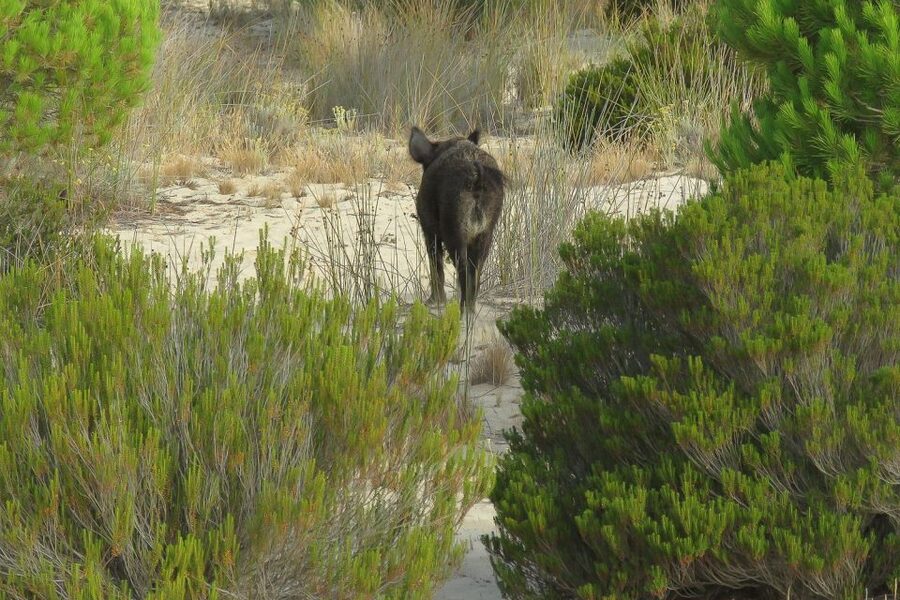
- Wildlife is never guaranteed: Deer and wild boar are possible, while the lynx is exceptionally elusive.
- A full 10-hour day: Expect plenty of time in the van, with guided stops and a lunch break.
- Shared or private options: Small groups and private trips are available, with English, French, Italian, and Spanish guides.
- Bring your own binoculars if you care about birds: Prismatics are supplied, but your own pair may be more comfortable and powerful.
Why Doñana makes a worthwhile day from Seville
Seville is famous for palaces, tapas, and grand churches. Doñana gives you a completely different side of Andalusia. In a single day, you move from the Guadalquivir River and rice fields to open marshes, sandy pine country, enormous dunes, and the Atlantic coast.
That variety is the reason I find this trip more rewarding than a simple countryside drive. You are not visiting one lookout and heading back. The route crosses several habitats, each with its own plant and animal life. The marshes are best for birds. The woods and open scrub may produce deer, wild boar, or signs of lynx. The coast provides the visual change that keeps the long day from feeling repetitive.
The park supports around 300 bird species, and the exact mix changes with the season. Winter can be especially good for birdwatching around the wetlands. Spring brings more activity and fresh growth. Summer is hotter and drier, but it offers the pleasant possibility of swimming in the Atlantic during the beach stop.
Doñana is not a zoo. That matters. A lynx may leave only pawprints, and flamingos may sit far out on the water. The best moments often come from a guide noticing a small movement in the reeds or slowing the van for a bird you would have missed.
More National Park Day Trips in Seville:
- Split: Krka National Park Day Trip with Boat Ride & Swimming
★ 4.6 · 1,321 reviews - From Dresden: Saxon Switzerland National Park Full-Day Trip
★ 4.7 · 931 reviews - Split/Trogir: Krka National Park Day Trip with Wine Tasting
★ 4.7 · 925 reviews
Leaving Seville along the Guadalquivir
The morning begins with pickup in Seville, normally at your hotel or another agreed point. Be ready in the lobby about 10 minutes before pickup. The drive through Coria del Río follows the Guadalquivir corridor and takes roughly 50 minutes before the first major stop.
This opening section is practical rather than thrilling, but it helps you see how close Doñana is to the city. You leave Seville’s urban streets and reach a broad agricultural zone shaped by the river. Rice fields are part of that story, and one area is noted for Europe’s largest colony of storks.
The vehicle is generally a modern, comfortable van, although a full seven-seat group can feel tight. If you are sensitive to road noise or want the clearest view, ask about seating when possible. A passenger in the back may have a less open view than someone near the front.
Dehesa de Abajo and the northern marshes
The first substantial stop is the visitor center at Dehesa de Abajo, in the northern part of Doñana’s marshes. You spend around two hours in this general area with a guide, looking across wetlands, pine woods, and pasture.
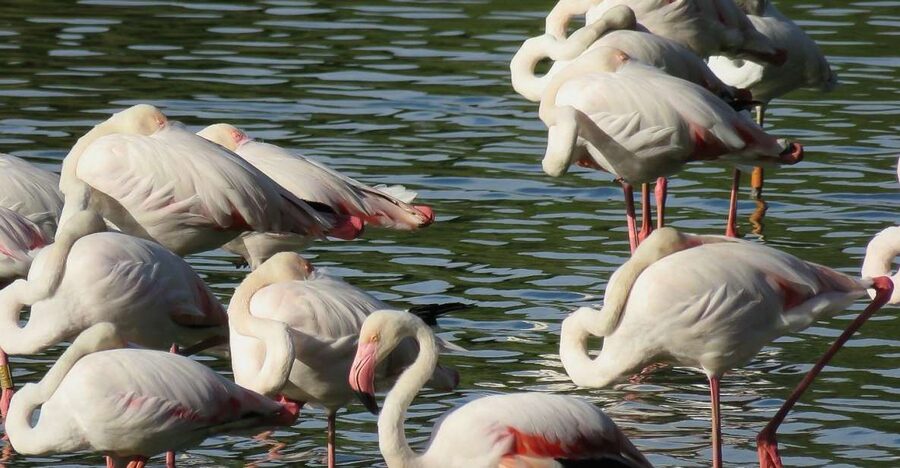
This is where binoculars earn their keep. Flamingos may gather in the shallows, while herons, egrets, storks, and birds of prey can appear around the water and fields. Spanish imperial eagles are among the most exciting possibilities, though spotting one depends on season, weather, and plain luck.
The supplied prismatics are useful, especially if you did not bring optics. Still, if you are a serious birdwatcher, bring your own binoculars. One set of shared equipment cannot always give everyone a comfortable view, and some of the park’s best sightings may be brief.
Guide quality makes a real difference here. José has been praised for spotting animals quickly and for reversing or repositioning the vehicle so everyone gets a look. That is an important skill in a large wetland. You do not want a guide who simply points once and moves on.
The drawback is that the park does not offer constant close-up sightings. You may spend time scanning empty-looking water or reeds. That is normal wildlife watching, not a failure of the trip. Come ready for patience.
El Rocío, a village with a very different feel
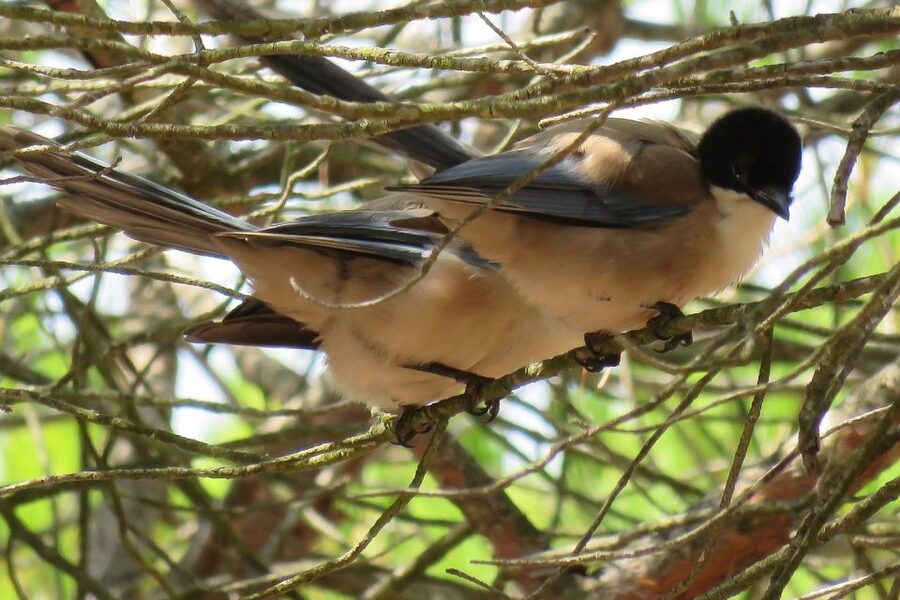
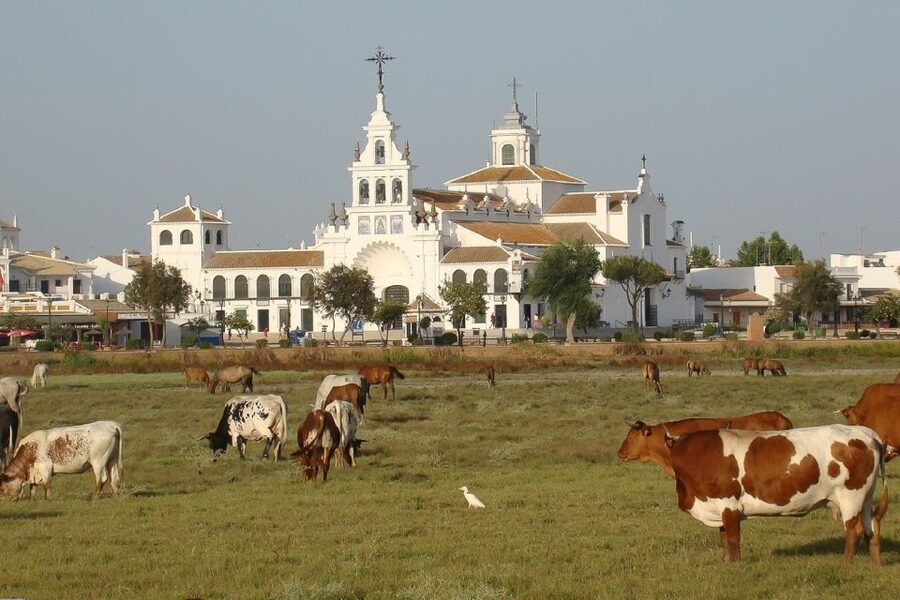
The next major stop is El Rocío, reached after roughly 30 minutes on the road. The village is known for its chapel, its religious traditions, and its observatory. It has a distinct character, with a feel quite unlike Seville or the coastal resorts.
The stop lasts about an hour, though the exact balance between guided time, independent time, lunch, and wildlife watching can vary. You can expect an explanation of the village and some time to look around, but do not count on a long, leisurely village visit.
This is one point where your own priorities matter. If you want local culture and the story of the chapel, an hour may feel short. If birds are your main interest, the surrounding wetland can be more valuable than extra time in the village. One practical complaint has been that the schedule can divide attention between lunch, solo exploring, and birdwatching near El Rocío.
I would treat El Rocío as a useful change of pace, not the central reason to book the tour. It breaks up the nature viewing and adds a human setting to a day otherwise spent among marshes and woods.
More Day Trips in Seville:
- From Seville: Pueblos Blancos and Ronda Full-Day Trip
★ 4.5 · 3,849 reviews - From Seville: Ronda+Setenil de las Bodegas Day Trip
★ 4.4 · 3,562 reviews - From Seville: Cordoba, the Mosque and Carmona Day Trip
★ 4.5 · 1,967 reviews - From Seville: Granada Day Trip with Alhambra and Albaicín
★ 4.4 · 1,499 reviews
La Rocina and the art of slowing down
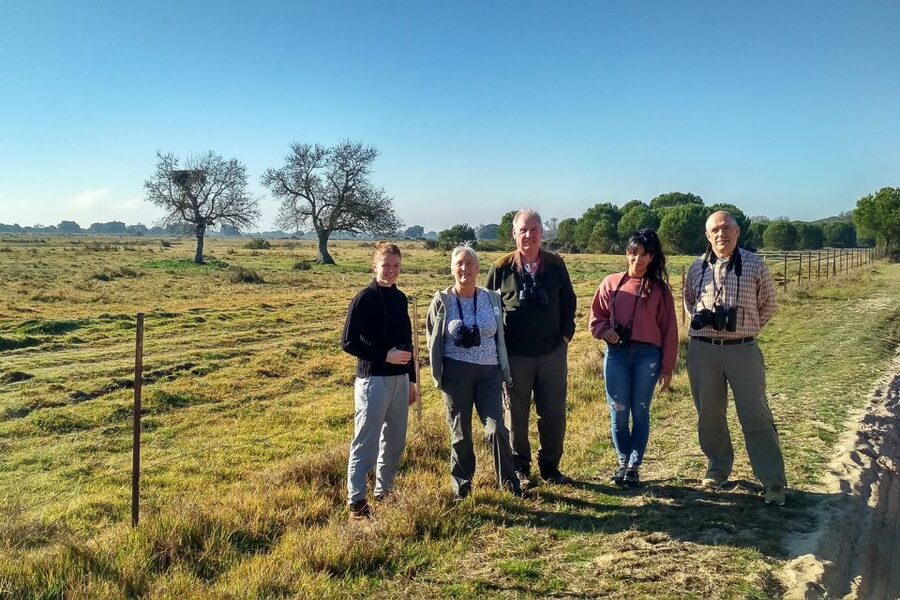
The route continues toward the La Rocina stream, where you walk on trails through Doñana’s wooded and wet areas. This is one of the better parts of the day if you want to stretch your legs.
Do not expect a long hike. The itinerary gives around two hours for the wider Doñana visit, and the tour includes several vehicle sections. One past participant wanted more walking, which is a fair warning. This experience is best understood as a guided wildlife circuit with short walks, not a hiking day.
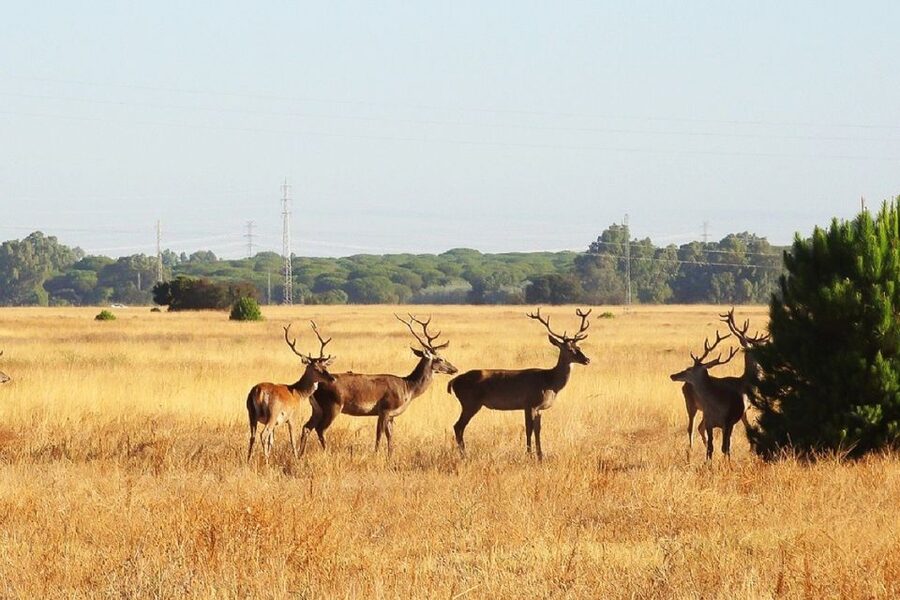
The forest gives you a chance to see Doñana beyond open water. Pine trees, scrub, and pasture create habitat for larger animals. Deer and wild boar are possible, while the Iberian lynx remains the prized but highly uncertain sighting.
You might see tracks instead of the animal itself. One outing produced lynx pawprints, but not a lynx. That is still a useful lesson in how wildlife work happens. The animal is not waiting beside the road for a photograph.
Matalascañas, dunes, and the Atlantic
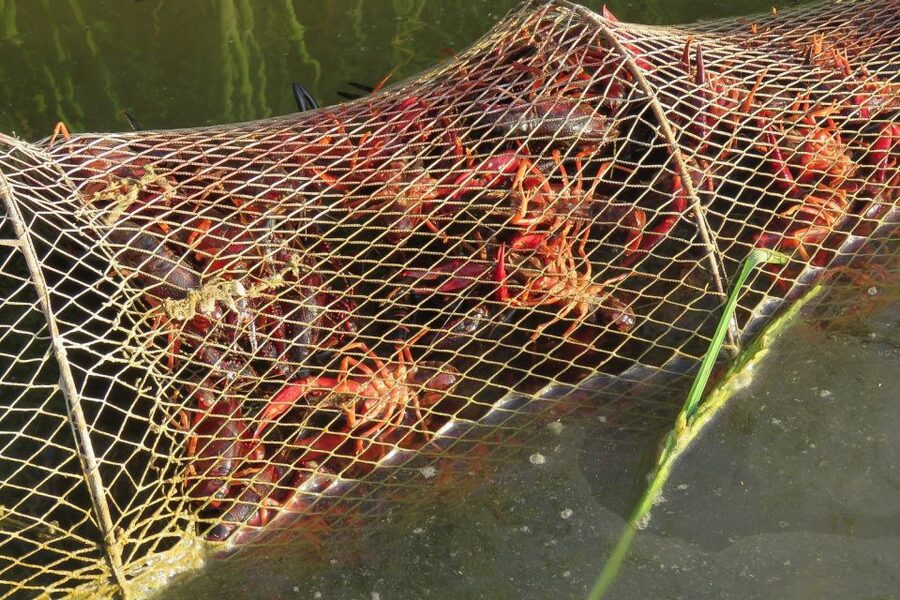
After the inland sections, the tour heads toward Matalascañas and the coast. This section takes about two and a half hours, including the beach and dune area, though the usable time at each point can shift with the day’s conditions.
The beach is a welcome change. After hours of marsh and woodland, you get open sand and a broad Atlantic view. In summer, you may take a swim, so pack a swimsuit and a small towel if that appeals to you. Even outside the swimming season, the shore offers a fine place for photographs and a little breathing room.
Set your expectations carefully. Some departures provide only about 35 minutes at the beach and dunes. That is enough for a quick walk, photographs, or a dip, but not enough for a relaxed beach afternoon. The tour is designed to show you the coast as part of Doñana, not to serve as a full beach day.
The dune system is the largest in Spain, and the sandy terrain gives you one of the day’s most memorable visual changes. Wear comfortable shoes with good grip. Sand, sun, and wind can make a short walk more tiring than it sounds.
Lunch is not included. You should bring money for a meal, or ask the guide how the day’s lunch timing will work. A long break of roughly 1.5 hours has been possible on some outings, which gives you time to eat and rest before the return drive. Snacks are also sensible, especially if you prefer not to lose wildlife time to a long meal.
The Asperillo return and the last wildlife chances
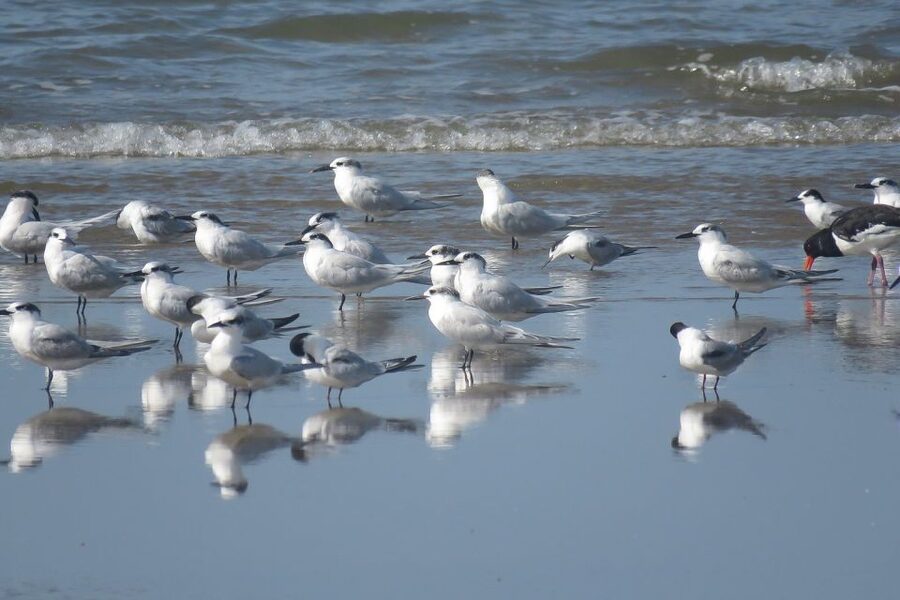
The journey back to Seville takes about 75 minutes, with the Asperillo area offering a chance to enjoy the pine forest in the late-day light. The sunset can be especially pleasant here, although exact conditions depend on the season and weather.
This final section is not just dead travel time. Guides may still watch for mammals and birds along the route. Deer and wild boar are among the realistic possibilities. The lynx remains a lucky bonus, not an outcome you should expect simply because it appears in promotional photos.
The long return is also when the day’s transport-heavy nature becomes most obvious. From Seville to the park, between stops, and back again, you spend many hours in the van. That is the price of seeing several far-flung parts of Doñana in one day.
Some guides make the driving part feel worthwhile by explaining the park’s ecology, traditions, and changing habitats. Sergio, José, Diego, Patricia, Luis Miguel, Luismi, and others have received especially strong praise for their energy and ability to adapt the route. A good guide may make a detour, drive slowly, or stop when a bird appears. Those small choices matter more than a rigid checklist.
What the $105 price really buys you
At $105 per person, this is not a cheap city excursion. It is a full 10-hour day that includes hotel pickup and drop-off, transport, a live guide, and binoculars. Shared groups help keep the cost reasonable, while a private option may suit you if you want more control over timing and interests.
The value is strongest if you would otherwise struggle to reach Doñana independently. The park covers a huge area, and the day combines several distant zones. A guide also saves you from guessing where to look and helps explain what you are seeing.
The value is weaker if you mainly want a long beach visit or an easy hike. You will be paying for a wide-ranging wildlife day, not a relaxed afternoon beside the sea. You also pay for the chance to see animals, not a guarantee of specific species.
I think the price makes sense for birdwatchers, nature lovers, and anyone who wants a break from Seville’s city center. For a casual visitor who dislikes long drives, the same schedule may feel tiring.
Timing, weather, and what to pack
Season changes the experience considerably. Winter can bring more birds to the wetlands and fewer crowds in El Rocío and Matalascañas. Spring is a strong choice for seeing more active plant and animal life. Summer offers the chance to swim but brings stronger heat and sun. Autumn can provide a quieter visit, though sightings still depend on conditions.
Pack:
- Comfortable walking shoes
- Sunglasses
- A sun hat
- Sunscreen
- Water and snacks
- Your own binoculars if birdwatching matters to you
- Swimwear in summer
Do not bring pets. Infant seats are available if you request one in advance. If you need a particular language, note that at least four people speaking that language may be required. If that minimum is not met, the operator may offer another language, a different date, or a refund.
Free cancellation is available up to 24 hours before departure, and you can reserve now and pay later. Those terms help if your Seville schedule is still shifting, but they do not change the basic need to choose a suitable weather day.
Who should book this Doñana day trip?
You should book it if you enjoy birds, open spaces, and changing habitats. It is also a good choice if you want to see a less familiar part of Andalusia without arranging a car, permits, maps, and separate stops yourself.
Birdwatchers should bring their own binoculars and consider a private trip if budget allows. A private guide may give you more flexibility around species, walking, and photo stops, though the exact itinerary still depends on conditions.
Families can use the infant-seat option, but the 10-hour schedule and long vehicle sections may test very young children. Couples and solo visitors who enjoy nature should find the shared small-group option more sociable and less costly.
You should think twice if you want guaranteed lynx sightings, lots of hiking, or several hours at the beach. Doñana rewards attention and patience. It does not promise a wildlife show on demand.
Should you book it?
Book this tour if you want the broadest possible introduction to Doñana from Seville in one day. The combination of marshes, rice fields, El Rocío, pine woods, dunes, and Atlantic shore gives you a clear sense of the park’s scale and variety.
Go in with realistic expectations: much of the day is spent driving, wildlife sightings are uncertain, and the beach stop may be brief. For me, the strongest reason to book is the guide. A sharp-eyed person such as José or Sergio can turn a distant bird, pawprint, or sudden movement into a memorable moment.
Choose spring or winter if birds are your priority. Choose summer if a short swim sounds appealing. Either way, this is a worthwhile nature day for the right kind of visitor, especially if you value seeing a wide range of habitats more than checking off one famous animal.
FAQ
How long is the Doñana National Park tour from Seville?
The tour lasts about 10 hours, including transport from Seville, guided stops, and the return journey.
What places does the tour visit?
The route includes the Dehesa de Abajo visitor center, the northern marshes of Doñana, El Rocío, trails near the La Rocina stream, Matalascañas, the dune area, and the Asperillo pine forest.
Can I see an Iberian lynx?
You might see a lynx, but sightings are not guaranteed. You may instead see evidence such as pawprints. Deer and wild boar are also possible.
Are meals and drinks included?
No. Meals and drinks are not included, so bring snacks and money for lunch.
Are binoculars provided?
Prismatics are included. If birdwatching is important to you, bringing your own binoculars may give you a better view.
What languages are available?
Guided tours are available in English, French, Italian, and Spanish. A minimum of four people speaking a requested language may be needed.
Just written up around Seville
- From Seville: Tangier Day Trip with Local Guide and Lunch★ 4.4 · 350 reviews
- From Seville: Cadiz and Jerez de la Frontera Day Trip★ 4.2 · 595 reviews
- From Seville: White Villages and Ronda Full-Day Trip★ 4.2 · 168 reviews
- Private Day Trip: Gibraltar & (Tangier) Morocco from Seville★ 4.7 · 23 reviews
- From Seville: Private Granada Day-Trip with Alhambra Visit★ 4.7 · 36 reviews
- From Seville: Gibraltar Day Trip★ 4.7 · 29 reviews
- From Seville: Full-Day Trip to Gibraltar★ 4.3 · 162 reviews
- From Seville: Gibraltar Day Trip★ 3.2 · 32 reviews
Day Trips from Seville, side by side.





Granada Day Trip with Alhambra and Albaicin Tour from Seville
Read our review →
Lists this day trip turns up in