
Review · AROUND THE WORLD
From Salta: Day Trip to Cachi and the Calchaquí Valleys
The best part of this day trip is the dramatic change in scenery. You leave Salta’s greener valley, climb the twisting Cuesta del Obispo, reach Piedra del Molino at 3,384 meters, and then cross the dry Calchaquí Valleys toward Cachi. I like the mix of big mountain views and small-town stops, especially Cachi’s adobe streets and San José church. The main drawback is the long day on winding roads, with stops that can change when rain or road conditions interfere.
I also like that the trip gives you both nature and culture for $31 per person. Guides such as Gabriela and Jasmine have been singled out for their warmth, humor, and explanations of local history, plants, and customs. But confirm your pickup carefully: hotel collection is limited to central accommodations, and poor road conditions have occasionally caused cancellations or delayed notification.
Key points at a glance
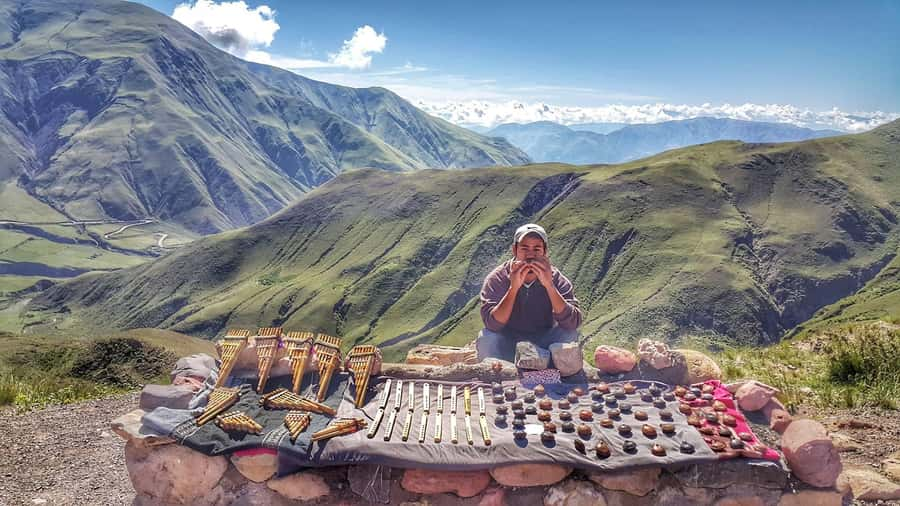
- 3,384-meter high point: Piedra del Molino gives you the day’s biggest altitude jump and wide views over the Encantado Valley.
- Cuesta del Obispo road: The winding ascent is the visual star of the trip, though rain can make stops or road access uncertain.
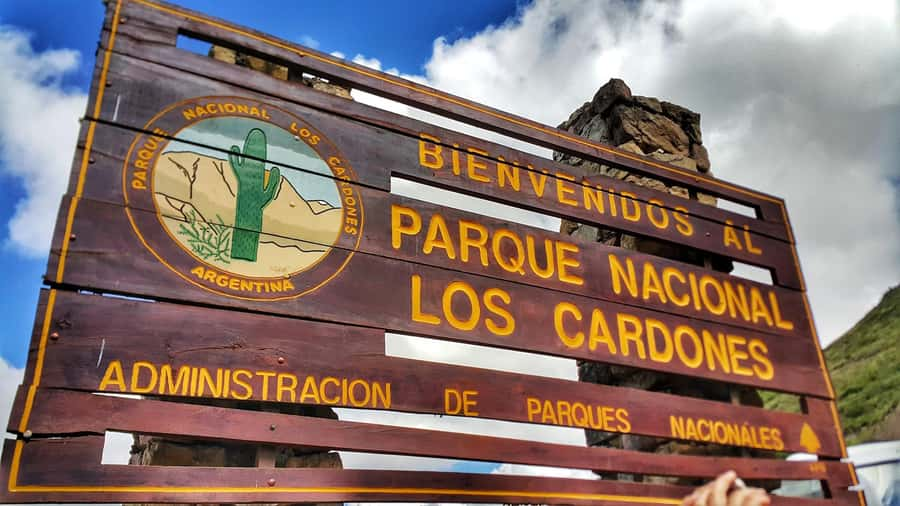
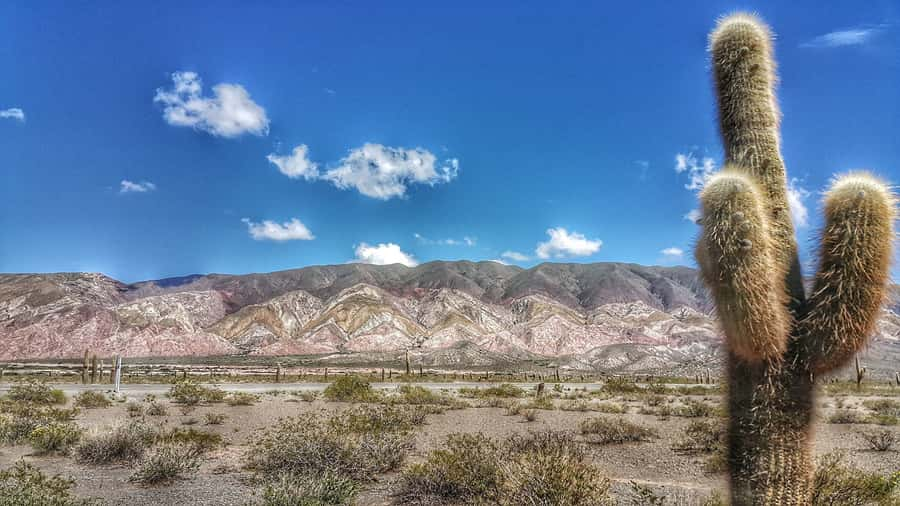
- Los Cardones National Park: You cross high country filled with the distinctive cardón cactus and open mountain scenery.
- Cachi’s two contrasting sights: The Museo Arqueológico de Cachi Pío Pablo Díaz and Iglesia San José add substance to the town visit.
- Low price, long day: At $31, transport and guiding are good value, but you pay separately for food and spend about 12 hours on the road.
- English and Spanish guiding: The guide can add useful context, with Gabriela and Jasmine receiving especially warm praise for their clear, friendly approach.
Why the road to Cachi is the real attraction
Cachi is lovely, but the journey is why you book this excursion. The route climbs from Salta through several very different zones in one day. You begin in the Valleys of Lerma, pass into the Quebrada de los Laureles, rise through Yungas forest, and then reach the dry, high country of the Calchaquí Valleys.
That variety makes the trip feel larger than a simple town visit. You see green hills, steep mountain roads, open high-altitude country, cactus-covered slopes, and an adobe village framed by peaks. I like this kind of route because the scenery keeps changing instead of giving you one repeated view for hours.
The cost is remarkably low for a 12-hour guided outing. At $31, the tour covers transportation and a bilingual guide, with hotel or meeting-point pickup available when selected. You are paying for a full day of access to a route that would be difficult to appreciate without a vehicle and a driver familiar with the mountain road.
The tradeoff is comfort and pace. You sit in a bus or minivan for much of the day, depending on group size. The road is winding, and the itinerary can be affected by rain or road conditions. If you prefer slow meals, long walks, or independent stops, this will feel tightly packed.
More Day Trips in the world:
- Tuscany Day Trip from Florence: Siena, San Gimignano, Pisa and Lunch at a Winery
★ 5.0 · 21,634 reviews - From Amsterdam: Zaanse Schans, Volendam & Marken Day Trip
★ 4.4 · 18,501 reviews - From Munich: Neuschwanstein & Linderhof Castle Full-Day Trip
★ 4.6 · 14,646 reviews
Leaving Salta through the Lerma Valley
Pickup from central Salta is scheduled between 6:30 and 7:15 in the morning. You need to be ready 15 minutes early, and hotel pickup is available only for centrally located accommodations, generally within eight blocks of the 9th of July central square.
That early start is necessary. Cachi is far enough away that the trip needs a full day, and the route includes several scenic sections before lunch or town time. If the vehicle cannot reach your hotel, the operator may arrange another meeting point, so provide a phone number or other contact detail that works during your stay.
The first stretch through the Valleys of Lerma gives you an easier introduction to the region. Salta’s surroundings are greener than the high valleys farther west, and the road gradually carries you away from the city. Your guide can help connect the scenery with local geography, farming, and settlement patterns.
The guide matters here because the first part of the drive is not built around a single major stop. A good explanation turns the ride into part of the experience rather than dead time. Jasmine has been praised for being funny and well informed, while Gabriela has been described as approachable and strong on local details. Guide assignments can vary, but English and Spanish service is included.
The Quebrada de los Laureles and Yungas forest
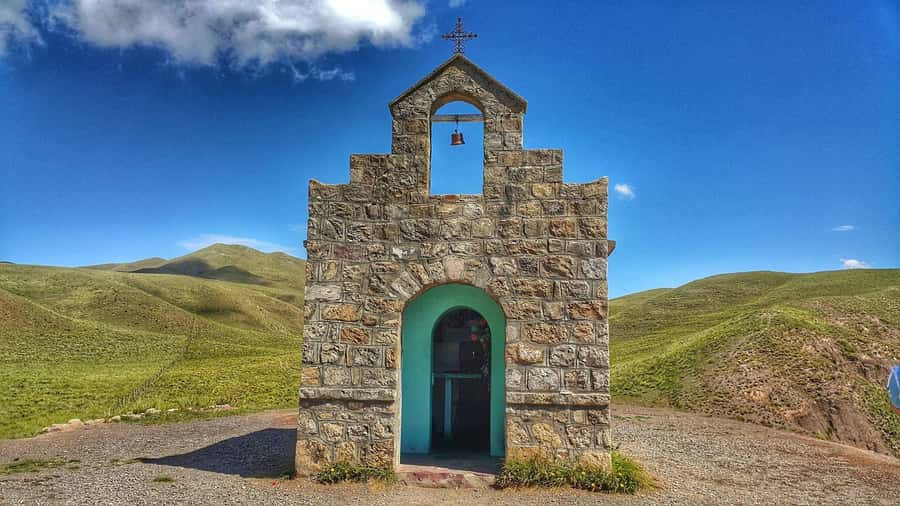
The road then enters the Quebrada de los Laureles, where the scenery shifts toward Yungas forest. This section is a useful reminder that Salta Province is not one kind of place. You are moving from a broad valley into a narrower, greener mountain setting before climbing toward the high pass.
Do not expect the whole day to work like a hop-on, hop-off route. Some views are enjoyed from the vehicle, and the exact timing of stops can depend on weather and road conditions. That matters on a route with steep grades and changing surfaces.
I would keep your camera ready, but I would also avoid judging the trip by the number of formal stops. The charm is in the transition. The road itself shows how quickly the climate and vegetation change with altitude.
Cuesta del Obispo: spectacular road, real weather concerns
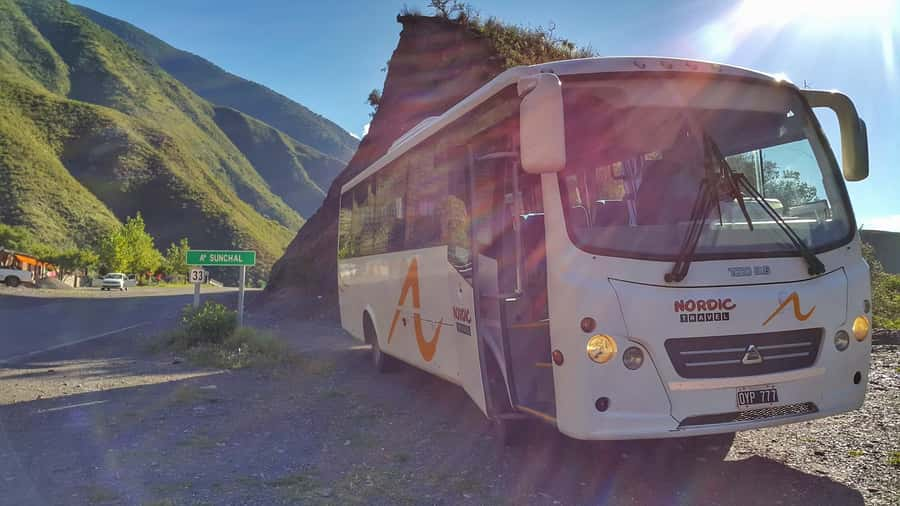
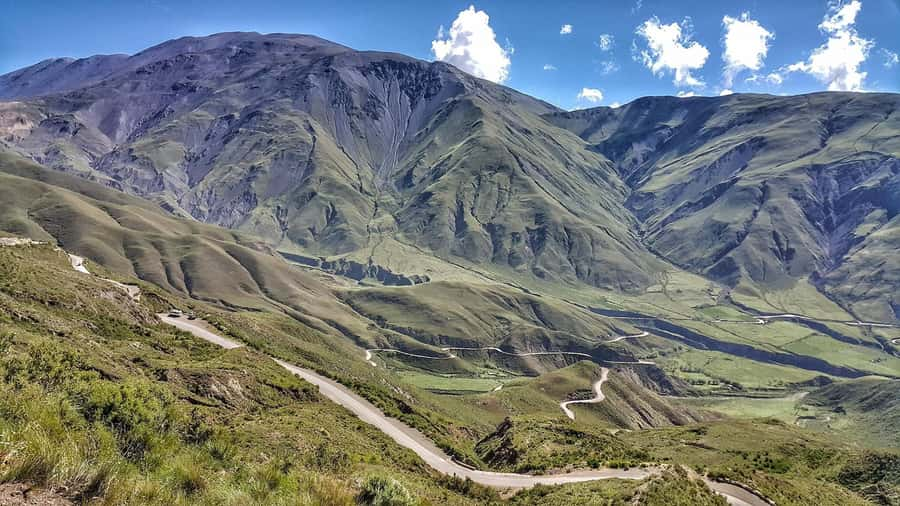
The Cuesta del Obispo is the day’s great visual moment. The road winds up the mountainside, and from higher points you can look back over the Encantado Valley and see the route you have just climbed.
This is where the excursion earns its price. You get the drama of a mountain road without arranging a rental car, finding your own route, or worrying about navigation. The driver handles the road while you watch the bends, valleys, and changing colors outside.
The experience is not always predictable. Rain can reduce visibility and may prevent the vehicle from stopping at planned viewpoints. One recent trip had poor weather on the way to Cachi, and a planned stop at the Tin-Tin Straight was missed on both the outward and return legs. That is not a reason to reject the tour, but it is a reason to keep expectations flexible.
If you are prone to motion sickness, prepare for a long day of curves. The information does not specify motion-sickness supplies or seating arrangements, so bring anything you normally use. The road is a major part of the trip, not a short transfer between attractions.
Same base, a different day out:
- Lisbon: Pena Palace, Sintra, Cabo da Roca, & Cascais Daytrip
★ 4.7 · 9,981 reviews - Florence: Pisa, Siena and San Gimignano Day Trip with Lunch
★ 4.6 · 9,771 reviews - From Marrakech: Day Trip to Ouarzazate and Ait Benhaddou
★ 4.7 · 9,447 reviews - From Naples: Sorrento, Positano & Amalfi Coast – Small Group Tour
★ 5.0 · 8,643 reviews
Piedra del Molino at 3,384 meters
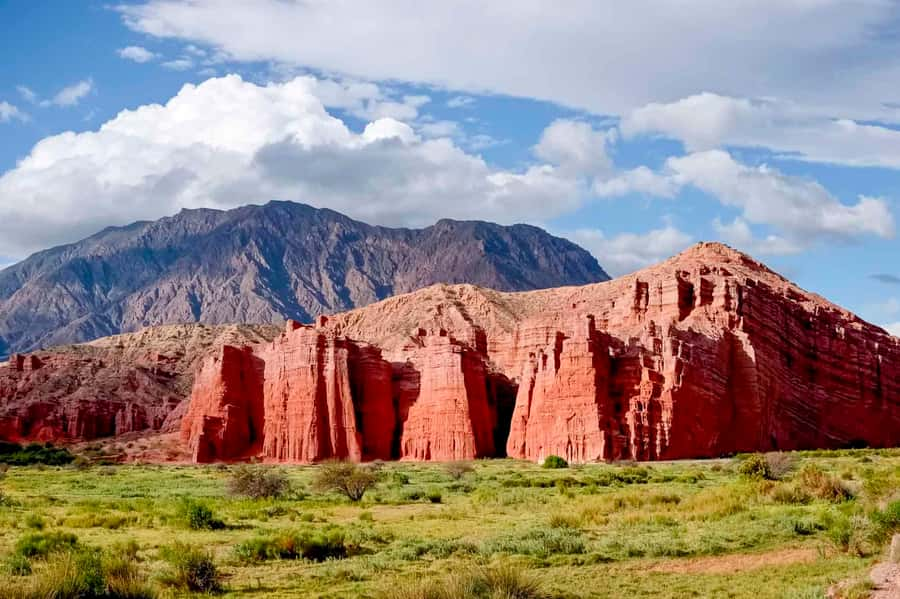
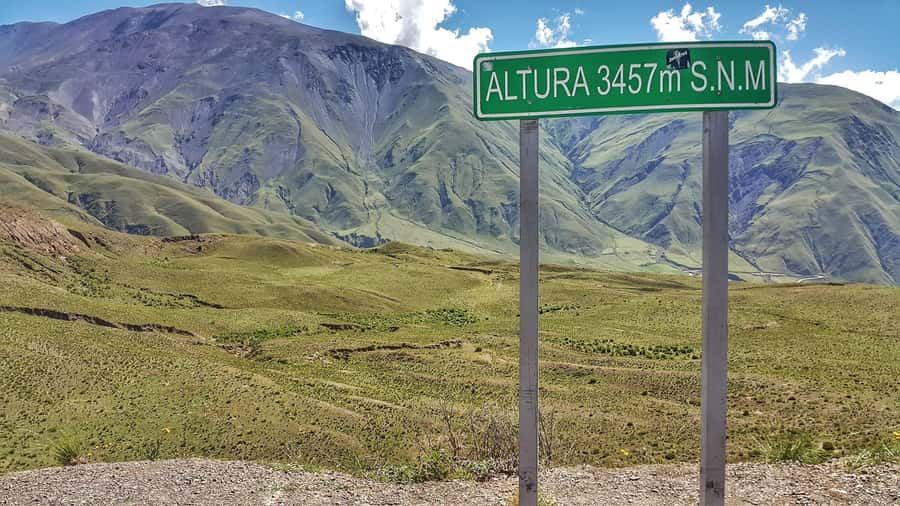
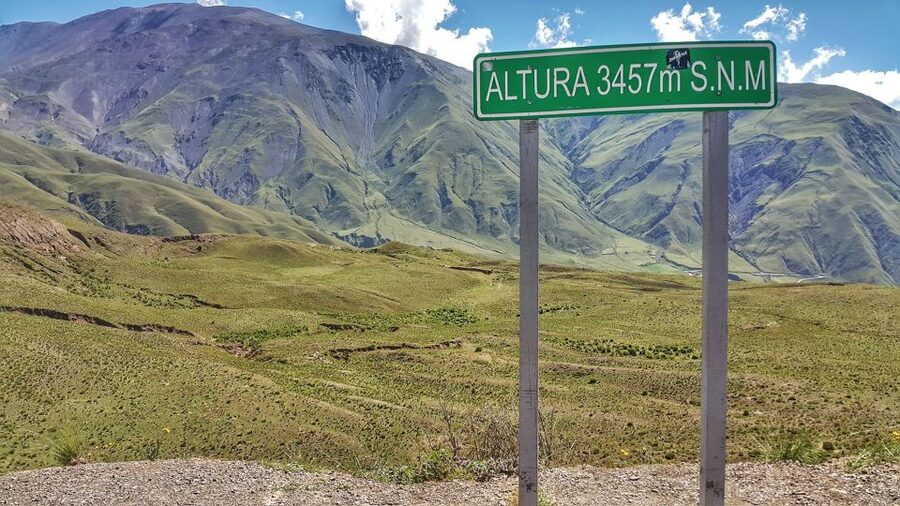
Piedra del Molino is the highest point of the route, at 3,384 meters above sea level. The elevation gives you a strong sense of the scale of the journey: in a few hours, you have gone from Salta’s city surroundings to high mountain country.
The stop is valuable even if you are not a serious hiker. You can take in the open views, feel the change in air and temperature, and understand why the route is so different from the valley below. Bring a passport or ID card, as this is required for the activity, and pack a layer suitable for changing conditions.
The tour description does not promise a long walk at Piedra del Molino. Think of it as a scenic viewpoint and high point rather than a hiking excursion. The main walking opportunity comes elsewhere, including time in Los Cardones National Park and a stroll around Cachi.
Los Cardones National Park and the Tin-Tin Straight
After the high pass, the route continues through Los Cardones National Park. The park is known for the cardón cactus, an iconic plant of the northwestern Argentine highlands. Against the wide, dry mountains, these tall cacti give the area a strong sense of place.
You also pass through the Tin-Tin Straight, a remarkably direct road across the high valley near Payogasta. It is one of those simple geographic features that becomes memorable because of the setting. The route feels open here, with fewer trees and more sky than during the earlier Yungas section.
The excursion includes walking in Los Cardones National Park, but the supplied details do not give a fixed walking distance or length. Wear practical shoes and bring water for your own comfort. Food and drinks are not included, so plan to carry what you need or buy something during the town portion if available.
Weather can affect this part of the day. A recent departure was canceled because of road conditions, and the cancellation message did not reach the passengers promptly. That is an important practical warning: keep your phone available on the morning of the trip and check for operator messages before leaving your accommodation.
Payogasta and the approach to Cachi
The route continues through Payogasta before reaching Cachi. This is a quieter part of the trip, with the high valley scenery doing most of the work. You are not simply heading to a photo stop. You are crossing an old regional corridor where small settlements, mountain routes, and high-altitude agriculture fit together.
The guide is useful here because the scenery can look sparse at first glance. With context, the dry valley becomes easier to read. You may notice the contrast between the cultivated areas near settlements and the broad, exposed slopes beyond them.
By the time you reach Cachi, the day has already delivered a full sequence of environments. That makes the town more satisfying than it would be as an isolated destination. You arrive with a clearer sense of how it fits into the surrounding mountains.
Cachi’s adobe streets and colonial church
Cachi is a small town between the mountains and the snow-covered peaks farther away. Its adobe houses and white colonial buildings give it a calm, carefully preserved appearance, and the compact center is suited to a short walking visit.
The town is not a place for a long checklist. Its appeal comes from strolling, looking closely at the building materials, and taking in the mountain views from ordinary streets. I would use this time to slow down after the road journey and let the setting sink in.
The Iglesia San José is just around the corner from the archaeological museum. The Spanish colonial church is a simple but worthwhile stop, particularly because it adds a human and religious layer to the town visit. You do not need a full afternoon to see it, but it helps make Cachi more than a lunch break.
The available information does not specify how much free time you receive in town or whether lunch is arranged. Food and drinks are not included, so do not assume a meal is part of the $31 price. Ask your guide about the day’s timing and meal options once you arrive.
What the Cachi archaeology museum adds
The Museo Arqueológico de Cachi Pío Pablo Díaz is one of the strongest reasons to value the town stop. It contains locally excavated objects, with some dating back as far as 10,000 years.
That detail changes how you see the valley. The mountains are not just scenery, and Cachi is not only a colonial-style village. The museum points to long human use of this region and gives you a chance to connect the modern town with much older communities.
Museum visits can be brief on a full-day road trip, so treat this as a focused introduction rather than an exhaustive study. If archaeology interests you, pay attention to the guide’s explanation and use your time inside carefully. The inclusion of a local museum is a real strength because it gives the day more depth than a series of viewpoints.
Transport, guide style, and the long return
Transport is by bus or minivan, depending on the group size. That flexibility keeps the price low, but the exact comfort level and amount of personal space can vary. The trip returns to Salta along the same road, so you see the route again from a different angle and may catch views missed in the morning.
The return is also where fatigue sets in. This is a 12-hour experience, not a short afternoon outing. A guide who can keep the group engaged matters, and the strongest feedback has focused on personal qualities such as humor, warmth, and clear explanations. Jasmine and Gabriela have both received particular praise, though the guide for your departure may be different.
A guide also helps with the small practical choices that shape the day. One guide recommended peñas in Salta for the evening, which is useful if you still have energy after returning. Do not plan this excursion on a night when you need an early bedtime or an important morning departure.
Is $31 good value?
For $31, I consider this strong value if your priority is seeing the route rather than having a private or leisurely day. The price includes transportation and a bilingual guide, and it covers several major sights across a large area.
You still need to budget for food and drinks. You also give up flexibility: the group follows the vehicle schedule, and weather can change the plan. A private car would offer more control, but it would cost far more and would place the responsibility for the mountain road on you.
The 4.2 rating from 67 recorded ratings suggests a generally positive experience with some meaningful variation. The praise centers on the scenery and guide quality. The lower experiences point to two practical risks: missed stops in bad weather and weak communication when a road closure cancels the departure.
Who should book this Cachi day trip?
I would choose this tour if you have limited time in Salta and want one efficient day covering the Cuesta del Obispo, Los Cardones National Park, the high valley, and Cachi. It suits you if scenery, regional culture, and a guided route matter more than free time.
It is also a good fit for visitors who do not want to rent a car for a remote mountain road. The bilingual guide gives the drive meaning, and the museum and church keep the day from becoming scenery alone.
I would think twice if you dislike winding roads, long vehicle rides, uncertain weather, or fixed group schedules. You should also be comfortable with a very early start and a late return.
FAQ
How long does the excursion last?
The trip lasts 12 hours, including the journey from Salta to Cachi and the return along the same road.
What time is hotel pickup?
Hotel pickup in central Salta is scheduled between 6:30 and 7:15 AM. You should be ready 15 minutes before the activity starts.
Is hotel pickup included?
Hotel pickup and drop-off are included if you select that option. Pickup is available for centrally located accommodations up to eight blocks from the 9th of July central square. If the bus cannot reach your hotel, another meeting point may be arranged.
What languages are available?
The tour has a live guide in English and Spanish.
What is the highest point on the route?
The highest point is Piedra del Molino, at 3,384 meters above sea level.
Are food and drinks included?
No. Food and drinks are not included in the activity price.
What should I bring?
Bring your passport or ID card. You should also provide contact details that the supplier can use when booking.
Can I cancel the booking?
You can cancel up to 24 hours in advance for a full refund. The reserve-now, pay-later option is also available.
Should you book it?
Book this day trip if you want a low-cost, high-scenery route from Salta and accept that weather, road conditions, and group timing may shape the day. The Cuesta del Obispo, Piedra del Molino, Los Cardones, and Cachi give you a broad introduction to northwestern Argentina in one outing.
Skip it if you need a relaxed pace or guaranteed stops. Before departure, keep your phone on, watch for road updates, carry identification, and bring food or money for meals. With those limits in mind, the $31 price makes this one of the more practical ways to reach Cachi without arranging your own mountain drive.
Just written up around the world
- Day Trips from Agadir to Marrakech with Amazing guide★ 4.5 · 26 reviews
- Agadir guided city tour half-day trip★ 4.5 · 23 reviews
- Day trip from Agadir to Massa in 4X4★ 5.0 · 31 reviews
- Day Trip From Addis Ababa See Historical Monastery,Stunning Nature,Animals,Birds★ 5.0 · 303 reviews
- “Discover Hahndorf: Wine, Cheese, Beer, Shops & Lunch Day Trip”★ 5.0 · 38 reviews
- Agadir Day Trip To Legzira & Tiznit★ 3.5 · 20 reviews
- Murray River Day Trip from Adelaide Including Lunch Cruise aboard the Proud Mary★ 4.0 · 105 reviews
- Day trip to Adadi Mariyam and Melka kunture★ 4.5 · 20 reviews