
Review · DAY TRIPS FROM BRUSSELS
Bruges and Ghent Day Trip from Brussels
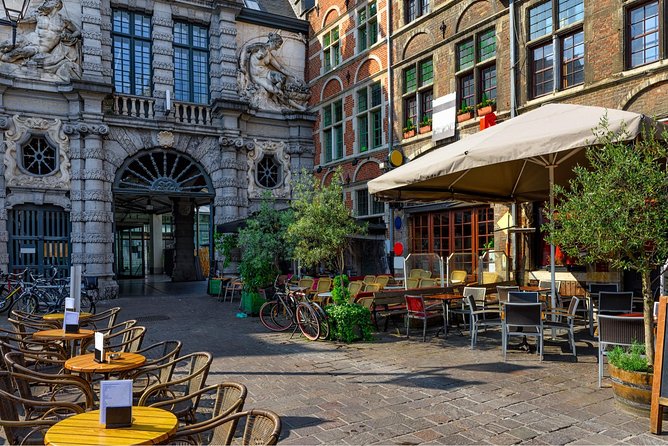
Bruges and Ghent give you two very different views of medieval Belgium in one long day. Bruges brings canals, chocolate, quiet courtyards, and picture-book squares. Ghent feels larger and more lived-in, with grand guild houses, a famous cathedral, and a handsome riverfront. The best part is the contrast between them.
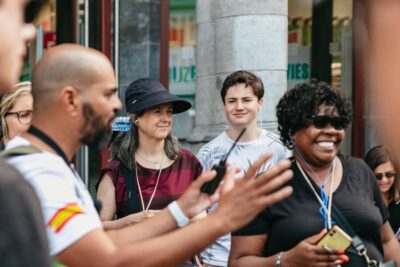
I like the round-trip bus from central Brussels, which saves you the trouble of working out two train journeys and local connections. I also like the mix of guided walking and free time. Guides such as Angie, Antonio, JC, Blanca, and Julian have been praised for clear explanations, humor, and useful food and shopping tips.
The catch is simple: this is a lot of ground in 10 hours. You walk over cobblestones, keep to a firm schedule, and get only about 90 minutes in Bruges and one hour in Ghent to eat, shop, or explore alone. If you want a slow lunch or museum visits, plan your own day instead.
Key points to know before booking
- Two cities in one day: See Bruges and Ghent without arranging separate transport.
- Bruges gets the longer visit: Expect a guided walk followed by about 90 minutes of free time.
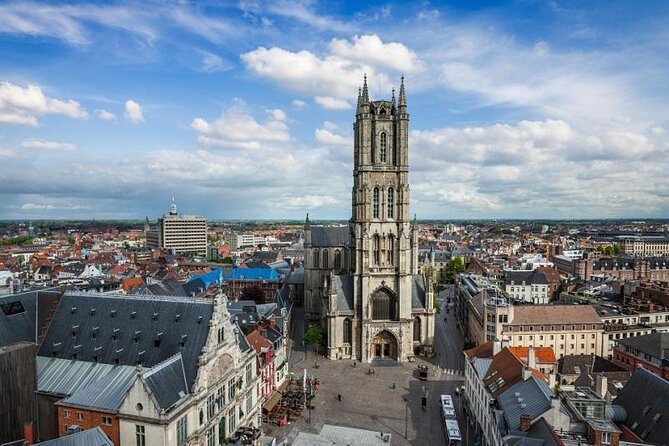
- Ghent is more compact: The tour covers the cathedral, towers, riverfront, guild halls, and central squares in a tight route.
- Expect plenty of walking: Cobblestones, bridges, and a possible 15 to 20 minute walk from the bus parking area matter.
- Bring earphones: Some stops require radio-guides, and disposable headphones cost €1 if you do not bring compatible ones.
- Good value at $56.72: The price is attractive if you want transport and orientation more than long visits inside monuments.
Why this day trip works
This tour is built for the first-time visitor who wants to see Belgium’s two headline medieval cities from Brussels. You leave at 8:30 am from Carrefour de l’Europe, near Brussels Central Station, and return to the same meeting point at the end of the day.
The bus handles the long stretches between cities, while the guide handles the complicated parts on foot. That matters in Bruges, where the historic center is easy to reach but parking is away from the main sights. It also helps in Ghent, where a first visit can feel confusing because the old center has several large squares, waterways, and towers close together.
The tour is offered in English and can include up to 45 people. Some departures are smaller, which makes it easier to hear and stay close to the guide. At full capacity, expect a less personal experience and take extra care at crossings and busy corners.
The guides do not simply lead you to one monument and leave you there. The route links buildings and stories, from medieval hospitals and women’s religious communities to beer, chocolate, trade, and guild life. The quality depends heavily on the individual guide. Angie has been praised for her calm, organized delivery, while Antonio and JC are known for humor and practical recommendations. That variation is worth keeping in mind when you book a group tour.
More Day Trips in Belgium:
- From Brussels: Guided Day Trip to Bruges and Ghent
★ 4.6 · 8,353 reviews - From Amsterdam: Bruges Day Trip in English with Boat Option
★ 4.4 · 1,989 reviews - From Amsterdam: Bruges Day Trip in Spanish with Boat Option
★ 4.6 · 1,866 reviews
Bruges begins at the Lake of Love
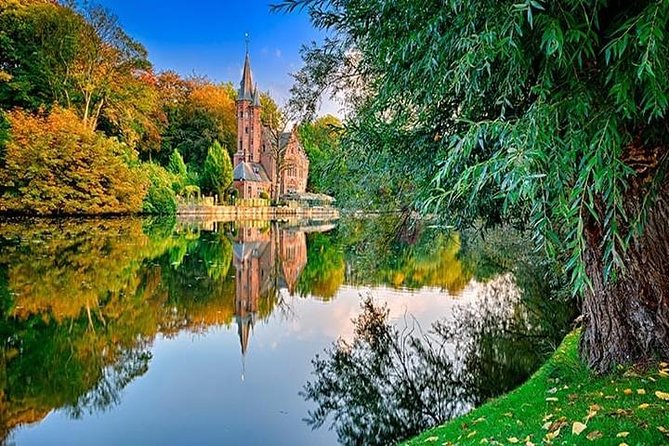
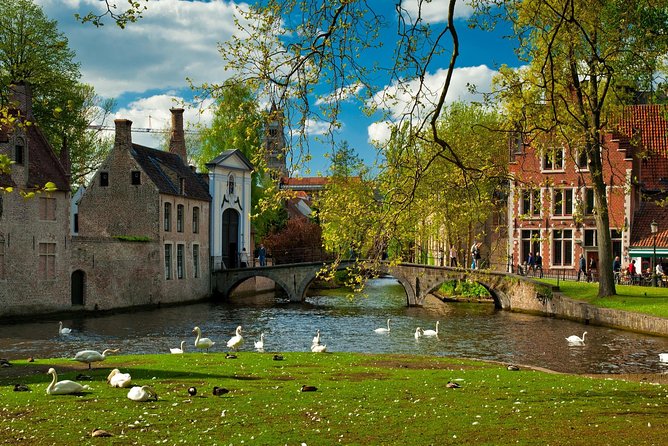
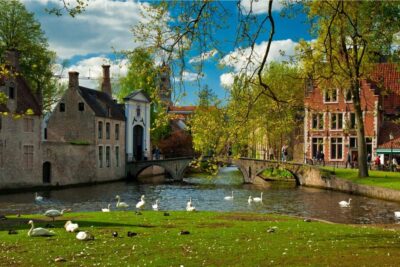
The bus first stops at Bargeplein, also called Katelijnparking. You get about 10 minutes for the restroom before walking toward Minnewater, the Lake of Love. The guide explains the story connected with the lake and gives you an early sense of Bruges as a city of canals, bridges, and romantic legends.
Minnewater is a good opening stop because it gives you space to take in the city before the route moves into narrow lanes. You only spend about five minutes there, so this is a photo and orientation stop, not a quiet park visit.
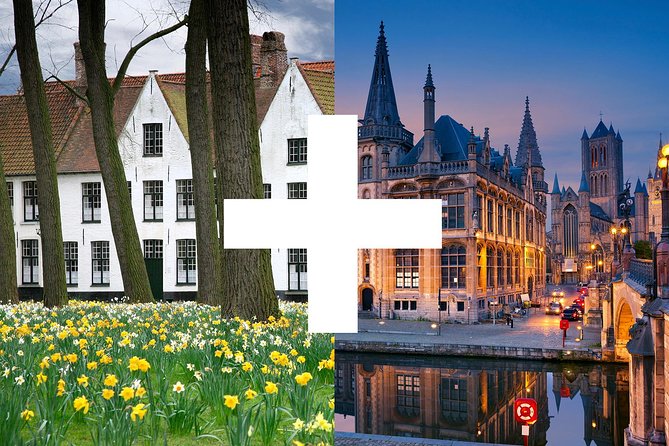
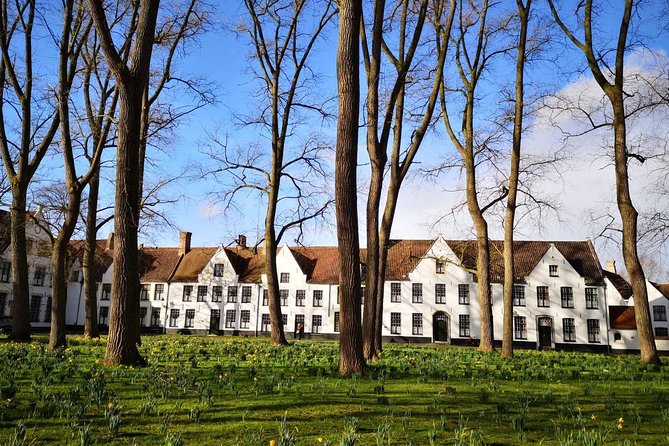
Next comes the Begijnhof, founded in 1245. The guide explains the beguines, a group of women who lived in a religious community without taking the same vows as nuns. The stop lasts about 10 minutes, and you should keep your voice down and follow the guide’s instructions because this is still a peaceful residential and historic place.
The brief chocolate tasting at Chocolalino adds a pleasant Belgian touch. You hear how handmade chocolate differs from factory production and get a chance to taste artisan pieces. It is only about five minutes, so do not treat it as a full chocolate workshop or shopping visit. The guide’s advice can help you choose chocolate later, especially if you want to avoid buying a generic product in a tourist-heavy shop.
Bruges through squares, bridges, and medieval trades
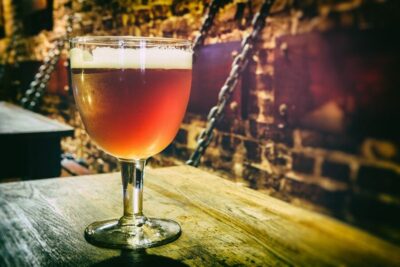
Walplein is the beer stop. You learn how brewing shaped Bruges, but there is no included drink. This is useful context before your free time, when you may want to order a Belgian beer on your own.
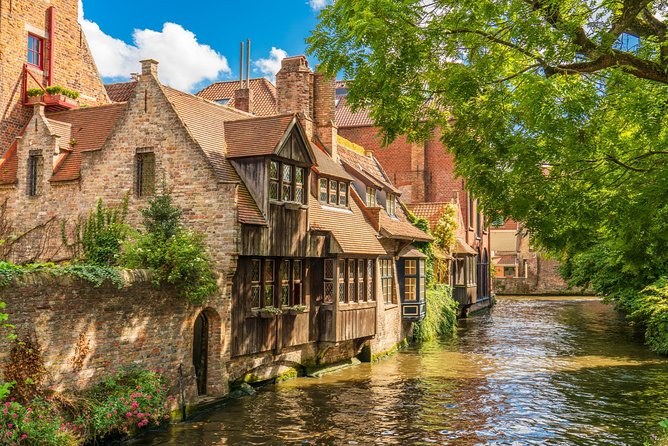
At Stoofstraat, the guide points out original medieval houses and explains how to tell older buildings from later copies. That kind of detail changes the way you look at Bruges. Instead of seeing only pretty facades, you begin to notice rooflines, narrow lots, and uneven building fronts.
The route continues past St. John’s Hospital, where you hear how medical care worked in medieval Bruges. The stop lasts about eight minutes, and the guide explains the hospital from outside. You do not get a scheduled interior visit.
Across from the hospital is the Church of Our Lady. The guide discusses Michelangelo’s white marble Madonna and Child, which is inside. This is an important distinction: the tour explains the sculpture from outside, but admission to the church is not part of the planned route. If seeing the Michelangelo is a priority, use your free time carefully and check the opening arrangements on the day.
You then pass the Gruuthusemuseum and hear about the powerful Gruuthuse family. Again, the emphasis is on the outside and on the story, not on touring the museum’s galleries.
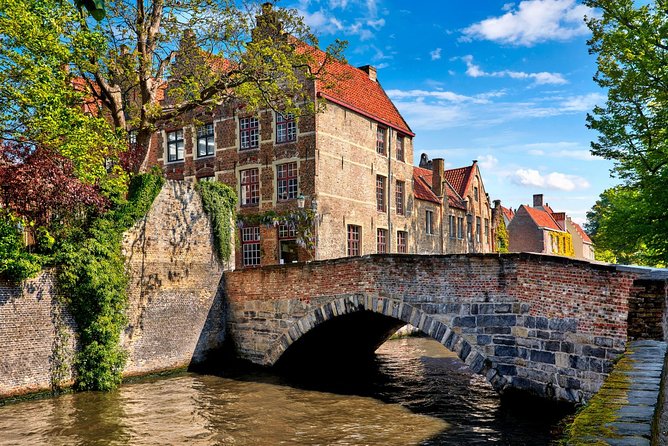
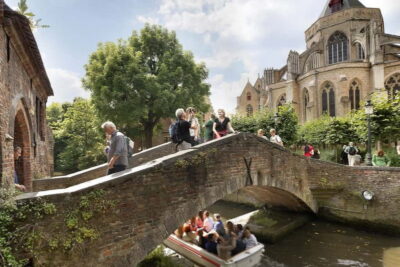
Boniface Bridge is one of Bruges’ most photogenic corners. The guide tells the local legend and gives you time for pictures. The short stop at the Quai du Rosaire, or Rozenhoedkaai, offers another classic view, often called the city’s most photographed spot. This is where you will want your camera ready, but remember that five minutes passes quickly when several people are taking pictures.
At Huidenvettersplein, you learn how tanners worked in medieval Bruges. This stop helps explain the commercial life behind the attractive squares. Burg Square then brings together the Gothic Town Hall, the Old Court House, and the Basilica of the Holy Blood. The guide identifies the buildings and their roles, giving you a useful framework for a later return visit.
Bruges free time is useful, but short
The guided walk finishes at the Markt, Bruges’ main market square. The guide explains the surrounding buildings and points out places for chocolate, food, and beer. You also receive clear instructions about where and when to meet the bus for Ghent.
You get about 90 minutes of free time in Bruges, though traffic and the group’s walking pace can affect the exact amount. This is enough for a quick lunch, a drink, photos, and a few shops if you stay organized. It is not enough for a relaxed meal, several shops, a canal cruise, and a museum.
I suggest deciding before you leave the group. If you want lunch, eat early or choose a quick option. If chocolate is your priority, buy it before wandering. If you want the Madonna and Child inside the Church of Our Lady, go there first and fit food around it.
The bus may park 15 minutes or more from the main sightseeing area. Some departures also require you to walk back to a meeting point after free time. Pay close attention to the guide’s instructions. Getting lost in central Bruges is unlikely, but arriving late at the wrong bus location can cause a real problem.
Same base, a different day out:
- Luxembourg and Dinant Day Trip from Brussels
★ 4.0 · 1,474 reviews - From Brussels: Bruges Day Trip with Boat Tour Option (ENG)
★ 4.6 · 1,352 reviews - From Brussels: Bruges Day Trip with Boat Tour Option (ES)
★ 4.7 · 1,171 reviews - From Paris: Day Trip to Bruges with Optional Seasonal Cruise
★ 4.4 · 1,034 reviews
Ghent brings bigger buildings and a stronger urban feel
After returning to Bargeplein, you board the bus for Ghent. The arrival point may also involve a walk into the old center, although the route in Ghent is fairly compact once the tour begins.
The guided walk starts at Ghent Town Hall, where several architectural styles meet. The guide explains how the building changed over time, then moves to the Belfry of Ghent. You hear about the tower and its dragon, one of the city’s best-known symbols.
St. Bavo’s Cathedral gets the longest stop, about 25 minutes. You see the exterior and go inside, where the Van Eyck brothers’ Adoration of the Mystic Lamb is kept. This is one of the strongest parts of the day because the cathedral visit gives you an actual interior experience, unlike several Bruges stops that are explained from outside.
The route continues past St. Nicholas’ Church, where the guide points out that Belgian churches can host concerts and other events. You then see the Masons’ Guild Hall and learn what guild houses were and why this particular facade is unusual.
At Korenmarkt, the guide explains the former post office building. This is a good example of the tour’s approach: short stops, a clear fact or story, then movement to the next landmark. Some people enjoy this rhythm because it keeps the day moving. Others may find it repetitive, especially if they prefer to linger in one place.
The Lys riverfront is Ghent’s photographic high point
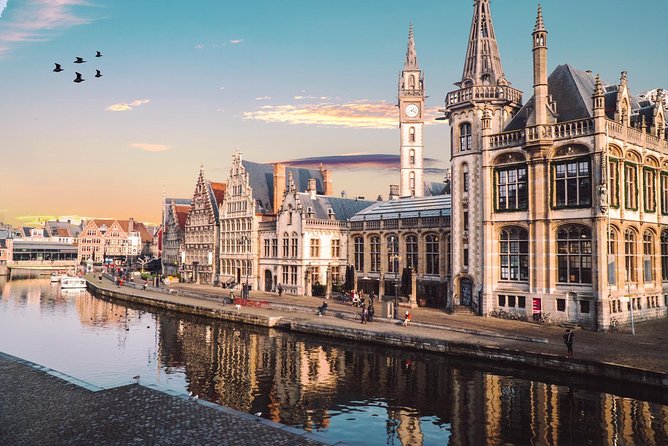
Saint Michael’s Bridge gives you wide views of Ghent’s towers and a good place for photos. The guide also explains the story of Saint Michael’s Church. From here, the route follows the Lys riverbank along Graslei and Korenlei.
This riverfront is one of the most rewarding parts of the tour. The old facades, former trade buildings, guild houses, and present-day hotel buildings show how Ghent has changed while keeping its historic center. The walk lasts about 10 minutes, with time to take pictures.
You then pass the Great Butchers’ Hall, a covered market dating from the 15th century. At Kleine Vismarkt, a traditional stall introduces cuberdons, the cone-shaped Belgian candy associated with Ghent. The stop is very short, but it gives you a local item to look for during free time.
The final guided stop is Sint-Veerleplein. The guide explains the square and nearby buildings, then offers suggestions for Belgian beer and souvenirs. You are also reminded of the exact meeting time and bus location. Listen carefully here, since the return arrangements matter more than any single sightseeing stop.
One hour in Ghent means choosing your priority
You get about one hour of free time in Ghent. The city’s central sights are close together, so this hour can work well for a beer, cuberdons, photos, or a quick look around.
Ghent is often easier to enjoy independently after the walking tour because the guide has already shown you the main route. You might return to the riverfront, spend time around Korenmarkt, or find a cafe near Sint-Veerleplein. A full sit-down meal may leave you watching the clock.
The two cities feel different in this format. Bruges is more polished and intimate, with canals and narrow lanes. Ghent has larger public spaces, grander buildings, and a more active city feel. Some people prefer Bruges for its romance and Ghent for its architecture. Others find Ghent more interesting because it feels less like a preserved postcard.
Walking, headsets, and group size
Wear good walking shoes. The day involves cobblestones, bridges, stairs in some areas, and many short walks between stops. One person described the amount of walking as a reason not to choose the tour if you are not fit. That is fair advice.
Bruges sometimes requires radio-guides under local tourist rules. You can bring your own wired headphones with a 3.5 mm jack, but wireless headphones are not suitable. If you need them, disposable headphones cost €1.
Headset quality can affect the day. Static and unclear instructions have caused problems on some departures, especially when the group is large or moving through crowded streets. Stay near the guide, confirm which direction the group is taking, and do not drift far away during photo stops.
The bus is air-conditioned and the driver handles the long connections. The tour operates in all weather, so bring rain protection and wear layers. Cold, wet weather can make the long walking sections tiring, but the route still runs unless the operator cancels for poor conditions.
Is $56.72 good value?
At $56.72 per person, the tour is a strong price for round-trip transport, two guided walks, and a full day from Brussels. You are paying for convenience and orientation rather than deep visits inside museums or a slow local meal.
The value is best if you want to see both cities and may not return to Belgium. Transport alone, combined with the time needed to arrange the day yourself, makes the price reasonable. The tour also reduces the chance of wasting time on transfers or walking in the wrong direction.
The value drops if you already feel comfortable using Belgian trains and want freedom. You could then spend a full day in Bruges or Ghent, visit interiors at your own pace, and take a proper lunch without watching the clock.
Food, drinks, entry fees, and headphones are extra. The guide can suggest places to eat, but meals are not part of the price.
Who should book this tour?
I would choose it for a first visit to Brussels when you want a broad look at Belgium beyond the capital. It suits couples, families with older children, and solo visitors who prefer a guide and a set plan.
It is also a good fit if you value stories about buildings, medieval trades, beer, chocolate, and local customs. The strongest guides, including Angie, Antonio, JC, Blanca, and Julian, have made the day feel lively and well organized.
I would skip it if your priority is museum time, long lunches, or slow photography. I would also think twice if long walks are difficult, if you dislike large groups, or if radio audio is likely to frustrate you.
FAQ
Where does the Bruges and Ghent tour start?
It starts at Carrefour de l’Europe, Carr de l’Europe, 1000 Brussels, Belgium, at 8:30 am.
Where does the tour end?
The activity ends back at the Brussels meeting point.
How long does the full experience last?
The tour lasts about 10 hours.
Is the tour offered in English?
Yes. A professional English-speaking guide leads the tour.
How much free time do I get in Bruges?
You get about 1.5 hours of free time in Bruges, although traffic and the group’s pace can affect the exact amount.
How much free time do I get in Ghent?
You get about one hour of free time in Ghent.
Are food and drinks included?
No. Food and drinks are not included, but the guide can suggest places to eat and drink.
Are museum and church admission fees included?
The tour includes the guided route and the listed visits, but no separate admission fees are specified. Several Bruges landmarks are explained from outside. St. Bavo’s Cathedral in Ghent includes an interior visit.
Do I need to bring headphones?
You should bring wired headphones with a 3.5 mm jack if radio-guides are used. Wireless headphones are not suitable. Disposable headphones are available for €1.
Can children join the tour?
Most people can participate, but children under two must travel in a car seat on the bus. You need to bring the appropriate seat.
How many people can join?
The maximum group size is 45 people.
Does the tour run in bad weather?
It operates in all weather conditions, so dress appropriately. If the operator cancels because of poor weather, you can receive a different date or a full refund.
Can I cancel for a full refund?
Yes, if you cancel at least 24 hours before the experience starts. Changes or cancellations made less than 24 hours before the start are not accepted for a refund.
Should you book it?
Book this tour if you want maximum sightseeing with minimum planning. Bruges and Ghent are both worth seeing, and the bus, guide, and compact routes make a two-city day possible at a fair price.
Choose a slower independent visit if you want to enter several museums, eat a leisurely meal, or spend the whole day in one place. For everyone else, bring sturdy shoes, wired earphones, a small amount of cash for headphones or snacks, and a watch for the meeting times. That preparation turns a tiring day into a useful and memorable introduction to two of Belgium’s finest old cities.
Just written up around Belgium
- From Brussels: Flanders Fields Remembrance Full-Day Trip★ 4.4 · 65 reviews
- From Paris: Day Trip to the Enchanting Brussels and Bruges★ 4.2 · 323 reviews
- From Brussels: Day Trip to Ghent with Atomium★ 4.7 · 192 reviews
- From Bruges: Flanders Fields Remembrance Full-Day Trip★ 4.8 · 65 reviews
- From Brussels: Bruges Full-Day Trip by Train★ 4.5 · 232 reviews
- From Brussels: Day Trip to Ghent with Atomium in English★ 4.5 · 88 reviews
- From Brussels: Bruges and Ghent Full-Day Trip by Train★ 4.3 · 103 reviews
- From Amsterdam: Day Trip to the Charming Brussels and Bruges★ 4.6 · 264 reviews
Day Trips from Brussels, side by side.
Lists this day trip turns up in