
Review · ANCIENT RUINS DAY TRIPS
Baku: Gobustan, Volcanoes, Fire Temple and Yanardag Day Trip
Baku’s most unusual sights lie beyond its polished center: prehistoric carvings, smoking mud volcanoes, an old fire-worshipping temple, and a hillside flame that refuses to go out. This no-shopping-stop tour ties those far-flung places together in one long day, with hotel pickup and a guide who explains what you are seeing rather than simply pointing at it.
I like the strong mix of ancient rock art and living fire, and I like the practical design: Bibi-Heybat, Gobustan, the volcanoes, Ateshgah, and Yanardag are difficult to arrange efficiently on your own. The main drawback is the tight schedule. You cover a lot of ground in 6 to 8 hours, and mud volcanoes may be skipped after rain.
Key points at a glance
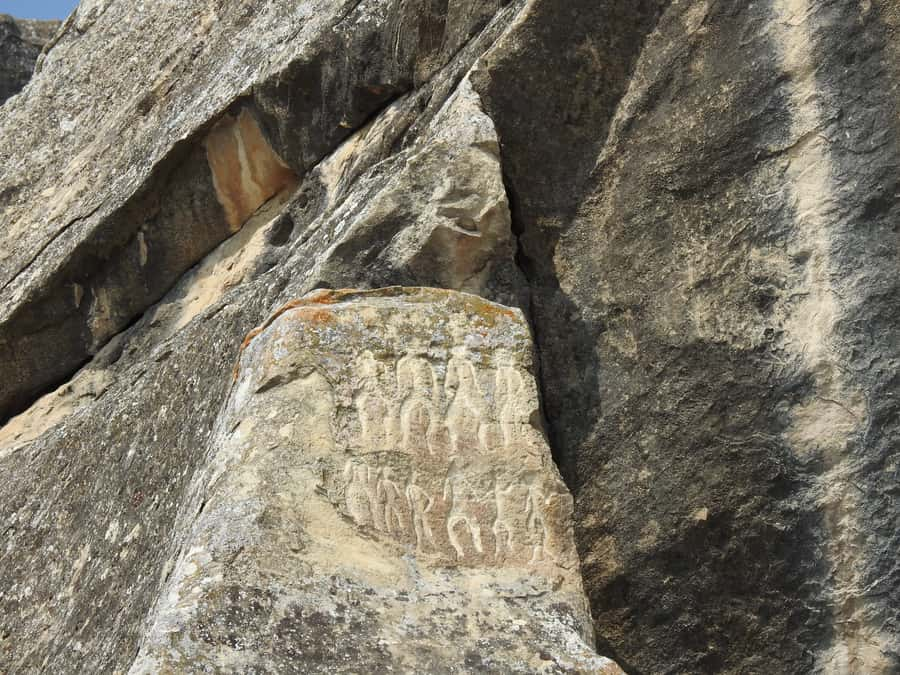
- Ancient art at Gobustan: See petroglyphs carved into cave walls and rock surfaces, with an indoor and outdoor museum about 70 kilometers from Baku.
- A real no-shopping itinerary: Your time is reserved for history, geology, religion, and scenery rather than commercial stops.
- Mud volcano adventure: Visit part of Azerbaijan’s large coastal mud-volcano region, sometimes reached in old Soviet-era vehicles.
- Fire in two forms: Compare the former Zoroastrian fire shrine at Ateshgah with the natural gas flame at Yanardag.
- Useful local guiding: Guides including Sayed, Mahabat, Leyla, Elcan, Musa, and Ughur are praised for clear English, stories, photos, and patient help.
- Good value at $29: Transport, hotel pickup, a professional guide, and selected entrance fees make this a strong bargain, though lunch costs extra.
Why this makes a smart Baku day trip
Baku is easy to enjoy as a city break, but its most distinctive sights sit outside the center. Gobustan shows Azerbaijan’s human past through ancient carvings. The mud volcanoes reveal its strange geology. Ateshgah and Yanardag explain why this part of the country has long been called a land of fire.
I like that the day is built around places with a clear connection. Oil, gas, fire, mud, and stone are not random sightseeing subjects here. They form a useful introduction to the Absheron Peninsula and the wider Baku region.
The tour costs $29 per person, which is low for a full-day outing with transport and a guide. You still need to budget $8 to $12 for lunch at the buffet-style restaurant, and you should check whether your chosen booking option includes museum tickets and entrance fees. Even with lunch, the price is attractive compared with arranging several separate taxis.
You can choose from 13 pickup points, including major hotels, hostels, and central addresses. The provider contacts you a day before the tour to confirm the pickup time, so keep an eye on your messages. Drop-off is available at the same general set of locations.
More Ancient Ruins Day Trips in the world:
- Athens: Cape Sounion & Poseidon Temple Sunset Half-Day Trip
★ 4.8 · 8,241 reviews - London: Windsor, Stonehenge, Bath, and Roman Baths Day Trip
★ 4.5 · 5,131 reviews - From Aswan: Abu Simbel Temple Day Trip with Hotel Pickup
★ 4.4 · 2,807 reviews
Bibi-Heybat and the story of oil
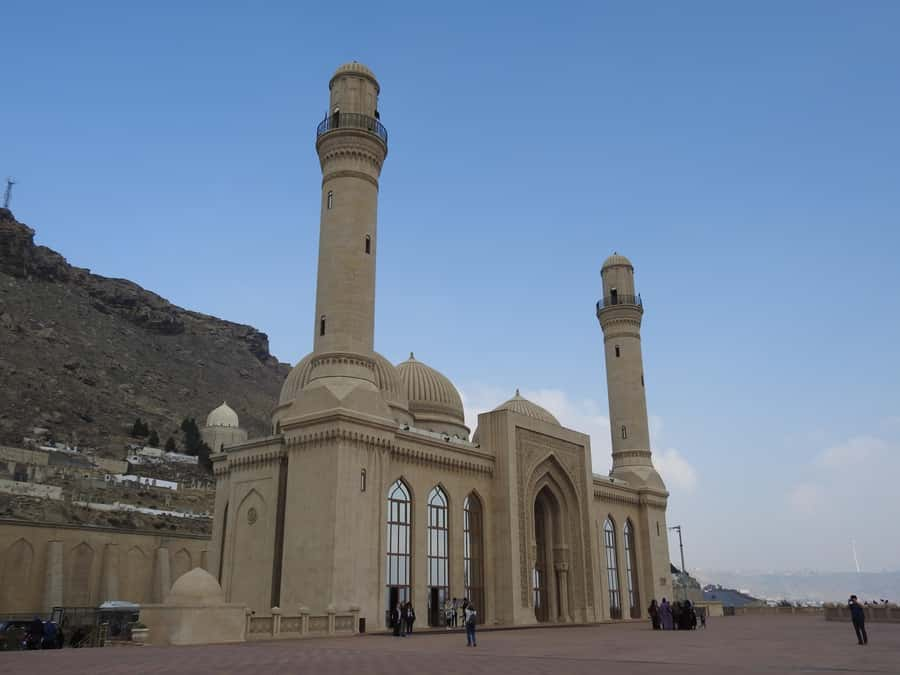
The first stop is near Bibi-Heybat Mosque, where you visit a site connected with the first industrialized oil well in the world. The stop lasts about 30 minutes and gives the day an immediate link to Baku’s oil story.
This is not just a quick photo pause. It helps explain why Baku developed so quickly and why the surrounding peninsula has so many signs of oil and gas beneath the ground. The mosque also gives the setting a strong visual marker, though the main purpose of this stop is the oil history.
If you are hoping for a long mosque visit, this tour does not promise one. Treat Bibi-Heybat as a short introduction before the wider historical and geological stops.
Gobustan’s petroglyphs and prehistoric daily life
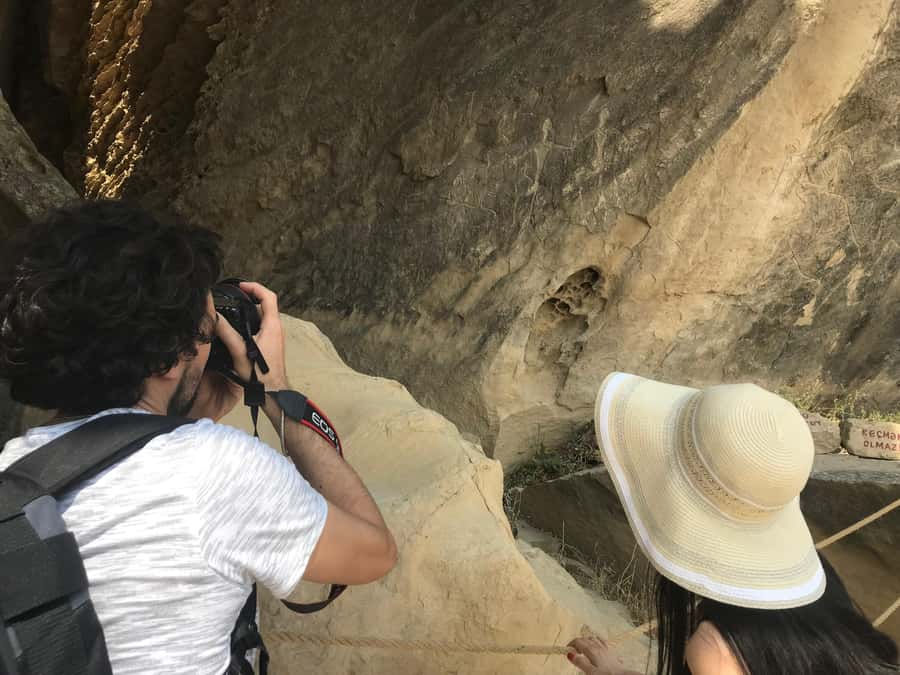
The Gobustan National Park Museum is the day’s most important archaeological stop. It sits roughly 70 kilometers from Baku and combines indoor displays with outdoor areas where you can see the prehistoric carvings in their original setting.
You will see images cut into cave walls and rock surfaces by early inhabitants of the region. The drawings reflect hunting, animals, people, movement, work, and the way ancient communities understood their surroundings. A good guide makes a major difference here because the markings can look simple at first glance. With explanation, they become clues about daily life, belief, and survival.
The guided visit lasts about an hour. That is enough to understand the site and see the main displays, but not enough for a slow archaeological study. If you enjoy ancient art, stay close to the guide and ask questions while you have the chance.
Gobustan can be crowded at busy times. One useful point from the day’s feedback is that guide Mahabat handled a crowded visit well, keeping the group moving without losing the explanations. That matters at a site where narrow paths and popular viewing points can slow things down.
Wear shoes suited to uneven ground and bring sun protection in warm weather. The tour moves between outdoor sites, and you will be more comfortable if you are ready for exposure to sun and wind.
Mud volcanoes on the coastal plain
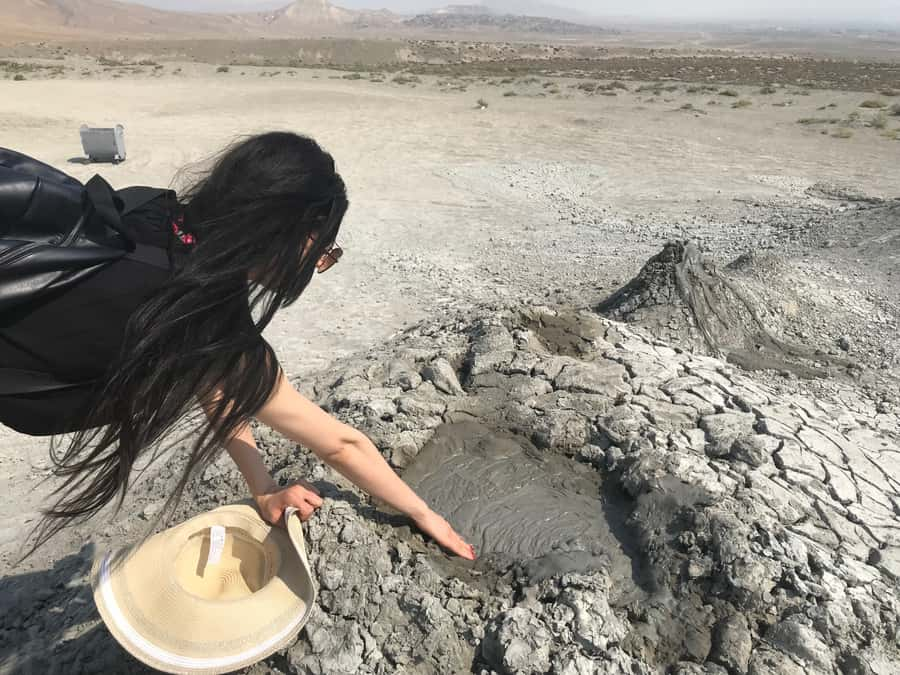
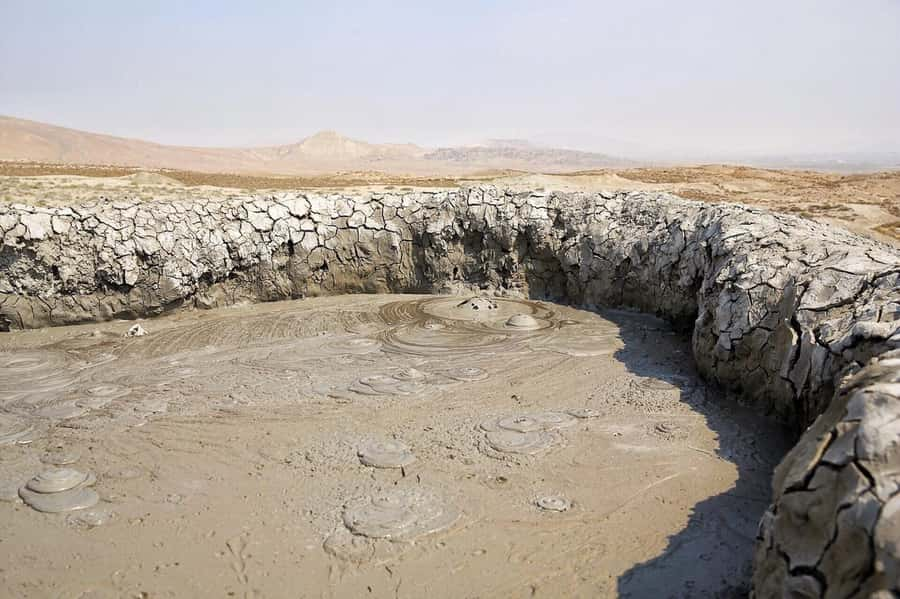
After Gobustan, the tour heads toward Azerbaijan’s coastal mud-volcano region, home to about 400 mud volcanoes. This is one of the strangest stops of the day. Instead of hot lava, you may see gray mud, small eruptions, and bubbling pools caused by underground gases and pressure.
The visit is scheduled for about 20 minutes, so expect a brief look rather than a long geology lesson. The terrain and road conditions can make the trip feel more adventurous than the short stop suggests.
A particularly memorable part for some groups is the ride in old Soviet-era vehicles, often described as Lada transport. One review singled out the off-road ride as a highlight. This detail may depend on the day’s arrangements, but you should be prepared for a less polished transfer near the volcanoes.
The volcano stop has a firm weather limitation. On rainy days, it is skipped for safety reasons. This is not a poor substitute or a hidden reduction in the program. Wet ground can make the area unsafe, and one December group missed the volcanoes after heavy rain.
If the volcanoes matter most to you, check the forecast before booking and keep your expectations flexible. The rest of the day still includes the fire temple and Yanardag, but the geological part will feel different without the mud volcanoes.
More Day Trips in the world:
- Tuscany Day Trip from Florence: Siena, San Gimignano, Pisa and Lunch at a Winery
★ 5.0 · 21,634 reviews - From Amsterdam: Zaanse Schans, Volendam & Marken Day Trip
★ 4.4 · 18,501 reviews - From Munich: Neuschwanstein & Linderhof Castle Full-Day Trip
★ 4.6 · 14,646 reviews - Lisbon: Pena Palace, Sintra, Cabo da Roca, & Cascais Daytrip
★ 4.7 · 9,981 reviews
A buffet lunch with Azerbaijani dishes
Lunch takes place at a buffet-style restaurant, where you can buy a meal for about $8 to $12. Lunch is not included in the tour price, but the format lets you choose from several Azerbaijani dishes.
This arrangement is useful on a busy day because it avoids a long restaurant order process. You can eat according to your own appetite and budget. Several people found the food selection good, while others felt the lunch stop could be improved, so I would rate it as practical rather than a main reason to book.
Bring some extra money for lunch. Since the meal is separate from the tour price, the advertised $29 is not the full spend for the day. The stop is also your best chance to sit down and recharge before the afternoon fire sites.
Ateshgah, the temple of fire worshippers
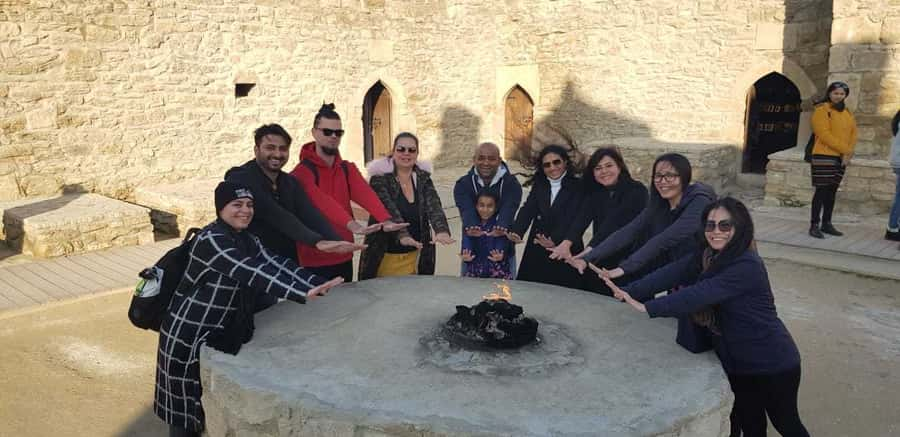
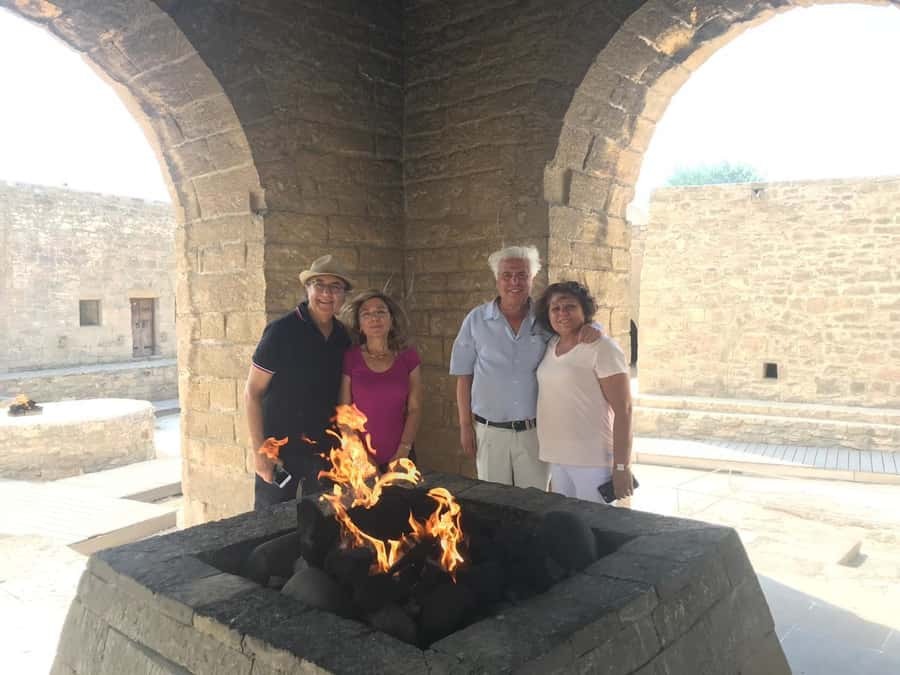
Ateshgah of Baku is an ancient Zoroastrian fire temple and former holy place for fire worshippers. The guided visit lasts about 40 minutes, giving you time to see the courtyard, the central fire area, and the structure’s religious setting.
The site helps connect the natural gas of the peninsula with older religious practice. Fire was not simply a useful fuel here. It held spiritual meaning, and the temple’s design reflects that purpose.
This stop is especially valuable after the morning’s archaeology and mud volcanoes. Gobustan shows ancient life through carved images, while Ateshgah shows how people gave sacred meaning to the land’s natural flames.
The temple is also one of the places where a guide’s storytelling matters most. Guides such as Sayed, Samir, and Irana have been praised for making the history clear and engaging. English and Russian are the stated guide languages, and some groups have also received explanations in Turkish.
Do not expect a long private visit. The group has to keep moving to complete the afternoon schedule. Still, 40 minutes is enough for a focused introduction and photographs.
Yanardag and Azerbaijan’s natural flame
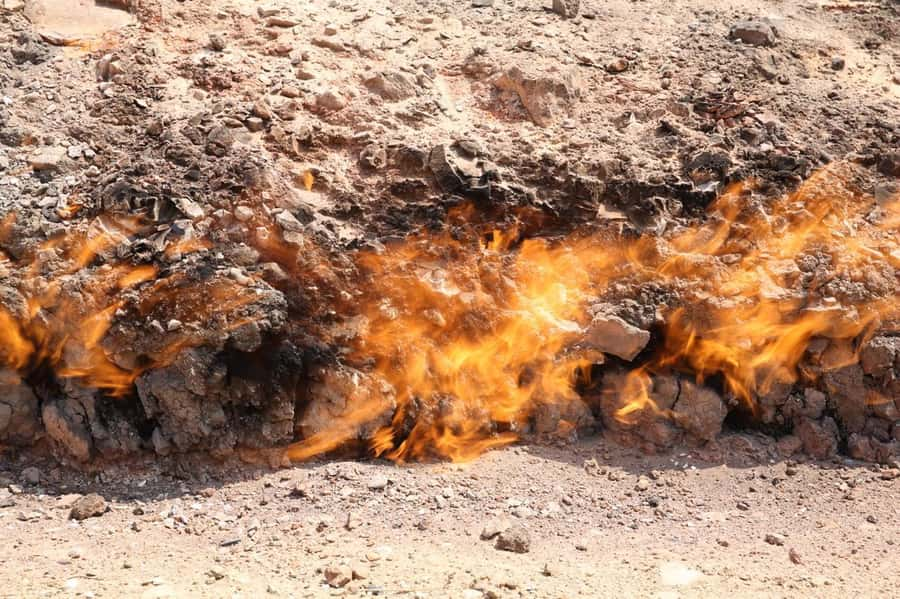
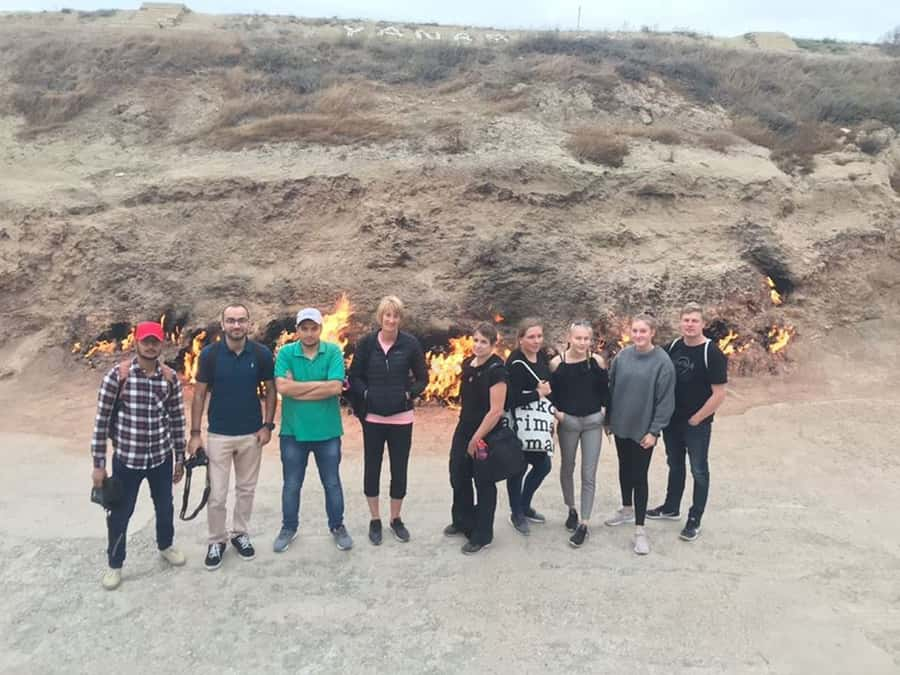
The final major stop is Yanardag, the burning mountain on the Absheron Peninsula. Natural gas rises through the ground and burns continuously on the hillside. After seeing a fire temple built around worship, you now see a flame caused by the earth itself.
The visit lasts about 30 minutes. Yanardag is not a mountain hike or a wide-ranging nature stop. It is a short viewing visit centered on the flame and the story behind it.
I like the order of these final stops. Ateshgah shows human response to fire, while Yanardag shows the natural source that helped shape the region’s identity. Together, they give the phrase land of fire a concrete meaning rather than leaving it as a tourism slogan.
The flame is most striking as part of the full day. On its own, Yanardag is a short stop. Combined with the temple, the oil site, and the mud volcanoes, it completes the connection between geology, religion, and industry.
What the guide and transport add
The tour uses transportation from Baku and includes pickup and drop-off at listed locations. That saves you from arranging separate rides to places spread across the peninsula and beyond. The total day lasts 6 to 8 hours, depending on traffic, timing, group size, and conditions.
Private and small-group options are available. A smaller group can make it easier to hear the guide and ask questions, while a larger group may feel less personal. The supplied experiences include groups as small as four people, and several comments describe the vehicle as comfortable.
The guides are one of the strongest parts of the experience. Sayed is repeatedly praised for clear explanations, warmth, humor, and help with group photos. Mahabat is praised for organization and for handling busy Gobustan well. Leyla is described as caring, well prepared, and good at making the day easy to follow. Elcan, Musa, Ughur, Samir, and others also receive strong marks for local stories and patient answers.
That does not mean every guide will have the same personality. It does mean the company has a record of assigning guides who do more than recite facts. If you care about context, ask questions during the drives and at the sites. The long road sections become much more useful when the guide explains how the places connect.
A few practical points came up repeatedly. One person wanted drinking water available in the vehicle during hot weather. It is sensible to bring your own water, especially in summer. Another person felt the schedule was tight, so do not expect long free periods at every stop.
Who will enjoy this tour most
I would choose this day trip if you have limited time in Baku and want the region’s main historical and geological sights in one outing. It suits first-time visitors, history fans, families who prefer organized transport, and anyone curious about Azerbaijan’s fire traditions.
It is also a good fit if you dislike shopping detours. The tour is specifically designed without shopping stops, so the day stays focused on sites and explanations.
You may want a slower private tour instead if Gobustan is your main reason for going. The one-hour museum visit is useful, but an archaeology enthusiast might want more time. The same applies if you prefer long meals, leisurely photography, or an unhurried schedule.
The mud volcano section is weather dependent. If rain threatens, you should book with the understanding that this part can be removed for safety. The tour still offers several strong stops, but the day will lose one of its most unusual experiences.
Booking details worth knowing
The price is $29 per person. Transport, hotel pickup and drop-off, and a professional guide are included. Museum tickets and entrance fees are included if you select the appropriate option when booking, so check the exact package before paying.
Lunch costs extra, usually $8 to $12. The tour offers free cancellation up to 24 hours before departure, and you can reserve now and pay later. Starting times vary, so confirm availability for your date.
Pickup is offered at 13 listed points, including the Courtyard by Marriott Baku, JW Marriott Absheron Baku, Baku Marriott Hotel Boulevard, SAHIL Hostel & Hotel, Hilton Baku’s Cilantro restaurant, Shafa Stadium, and several central streets. You meet the guide in your hotel lobby when that location is included.
Should you book it?
Book this tour if you want a high-value overview of Baku’s outer sights without wasting time on shops or complicated transport. The mix is unusually strong: prehistoric art, oil history, mud volcanoes, Zoroastrianism, and a natural gas flame all fit into one day.
I would skip it only if you need a very relaxed pace, a long Gobustan visit, or guaranteed mud volcanoes in wet weather. For most short stays, the $29 price, wide range of stops, and consistently praised guides make this one of the more useful day trips from Baku.
FAQ
How long does the Baku day trip last?
The tour lasts approximately 6 to 8 hours. The exact length can vary with traffic, timing, group arrangements, and weather.
What places are included?
The route includes Bibi-Heybat, Gobustan National Park Museum, the mud volcanoes, Yanardag, and Ateshgah Fire Temple.
Is lunch included?
No. Lunch is taken at a buffet-style restaurant and usually costs about $8 to $12.
Is hotel pickup available?
Yes. Hotel pickup and drop-off are included from the listed pickup and drop-off locations. The provider contacts you a day before the tour to confirm the pickup time.
What languages do the guides speak?
Live guides are available in English and Russian. Some groups have also received explanations in Turkish, but the stated tour languages are English and Russian.
Can I book a private tour?
Yes. Private and small-group options are available.
What happens if it rains?
The mud-volcano visit is skipped on rainy days for safety reasons. The other scheduled sites may still be visited.
Are entrance fees included?
Museum tickets and entrance fees are included if you select the option that includes them. Check the exact booking option before confirming.
Just written up around the world
- Alanya Pamukkale & Hierapolis Day Trip With Lunch★ 4.5 · 20 reviews
- Amazing West Day Trip: Silves, Lagos & Cape St. Vincent★ 3.5 · 25 reviews
- Provence Wineries and Luberon Villages Day Trip from Aix-en-Provence★ 5.0 · 178 reviews
- Luberon Market & Villages Day Trip from Aix-en-Provence★ 5.0 · 250 reviews
- Cassis Half-Day Trip from Aix-en-Provence★ 4.5 · 91 reviews
- Day Trip Safari – Akagera National Park with Optional Lake Ihema Boat Safari★ 4.5 · 27 reviews
- Day Trip to Lake Mývatn And The Nature Baths from Akureyri★ 5.0 · 74 reviews
- Luberon Villages Day Trip from Aix en Provence★ 5.0 · 23 reviews
Ancient Ruins Day Trips, side by side.
Cape Sounion & Poseidon Temple Sunset Half-Day Trip
Read our review →
Windsor, Stonehenge, Bath, and Roman Baths Day Trip
Read our review →
Fes: Volubilis Roman Ruins, Mouly Idriss, & Meknes Day Trip
Read our review →
Cairo Pyramids, Sphinx & Egyptian Museum Day Trip
Read our review →
Discover the Ancient Ruins of Pompeii: Day Trip from Rome
Read our review →
Stonehenge and Bath Day Trip from London with Optional Roman Baths Visit
Read our review →
Lists this day trip turns up in