
Review · DAY TRIPS FROM ATHENS
Athens: Guided Day Trip to Aegina Island with Swimming
Aegina packs ancient temples, Byzantine hilltop churches, a famous monastery, swimming, seafood, and pistachios into one long day from Athens. The best surprise is the change of pace: you leave the city by ferry, then ride through a quieter island setting with a guide who can connect the ruins to everyday Greek life.
I like the excellent mix of history and beach time, and I like that island transport is arranged instead of leaving you to chase buses. Guides such as Vivian, Vasilis, and Dimitra have been praised for clear explanations, warmth, and careful attention to the group. The main drawback is the pace and the climbing at Paleochora, which may feel demanding in hot weather.
Key points at a glance

- A 70-minute ferry ride from Piraeus gives you a real island arrival rather than a land-based sightseeing stop.
- Paleochora’s hill churches bring you to a quiet Byzantine site, but the uphill walk needs sturdy shoes.
- Athena Aphaia is one of Greece’s best-preserved ancient temples, with a separate €10 entrance fee.
- Two hours at the beach leave room for swimming, lunch, and a slower stretch of the day.
- A pistachio tasting introduces Aegina’s signature crop, used in sweets, pesto, and other local treats.
- The €57 tour price does not include €30 ferry and sea taxi costs, so budget €97 before the temple ticket, food, and optional beach chair.
Why Aegina makes a smart day trip from Athens
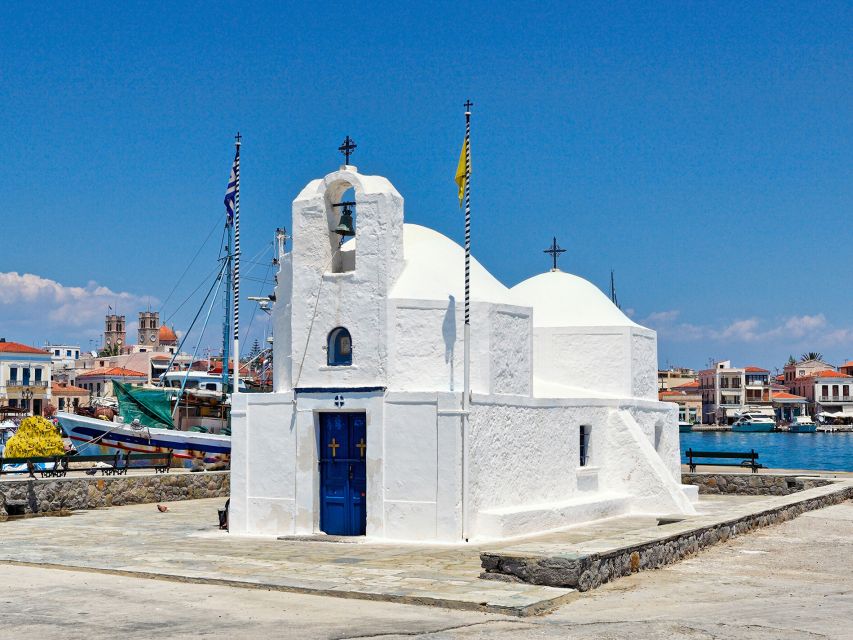
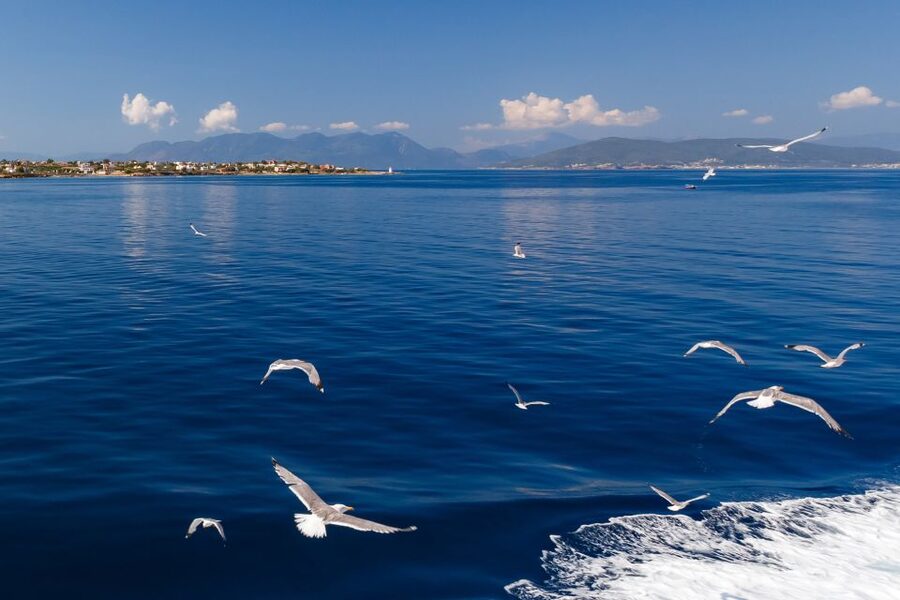
If you have already spent time among Athens’s museums and ancient monuments, Aegina gives you a useful change of scene without requiring an overnight stay. The ferry from Piraeus takes about 70 minutes, long enough to leave the city behind and get your first look at the Saronic Gulf.
This is not a quiet, private island retreat. It is an active sightseeing day with several stops, coach transfers, a hill walk, and a fixed return schedule. Still, the plan gives you more variety than a simple beach outing, and you do not have to work out the island’s transport on your own.
The day lasts 11 hours. That sounds long, but the ferry crossings and beach break divide the day naturally. The island portion includes roughly 4.5 hours of sightseeing and free time according to the supplied details, with additional time built around transport and the return journey.
I would choose this trip if you want a broad introduction to Aegina rather than a single focused activity. You will see religious sites, ancient ruins, a beach, the port town, and a local food specialty in one organized visit.
More Island Day Trips in Greece
- Hydra Island: Full Day Trip from Athens with Swimming
★ 4.8 · 103 reviews - Poros Island: Full Day Trip From Athens with Swimming
★ 4.8 · 33 reviews - Athens to Aegina: Greek Island Escape & Swim Day Trip
★ 5.0 · 26 reviews
Meeting at Piraeus and crossing to Aegina
The meeting point is Gate E8 at Piraeus Port, under the E8 sign. It is about a 10-minute walk from either Piraeus metro station or Dimotiko Theatro metro station, so allow extra time if you are unfamiliar with the port.
The ferry tickets are not included in the advertised $57 price. They cost €30 per person, including a €6 pre-booking and service fee and €24 for the sea taxi fare. The tour team arranges and delivers the tickets before departure, which removes one worry on the morning, but it does not remove the extra cost.
This is an important pricing detail. Your basic outlay is about $57 plus €30, followed by €10 for the Athena Aphaia site, unless you qualify for one of the stated admission exemptions. Food, drinks, and a beach chair are also extra.
The ferry itself is part of the appeal. You are not simply being driven to a nearby attraction. You cross the water, arrive at a working island port, and then continue by comfortable coach. If you suffer from seasickness, take that seriously. One person found the ferry uncomfortable in hot weather, so bring water, sit where you feel most stable, and avoid starting the day dehydrated.
Paleochora’s uphill churches and Byzantine remains
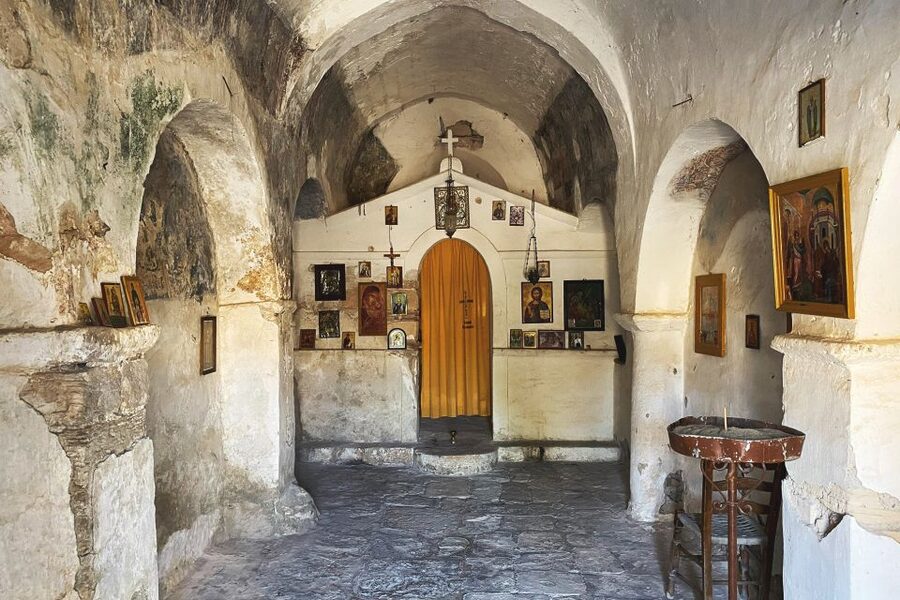
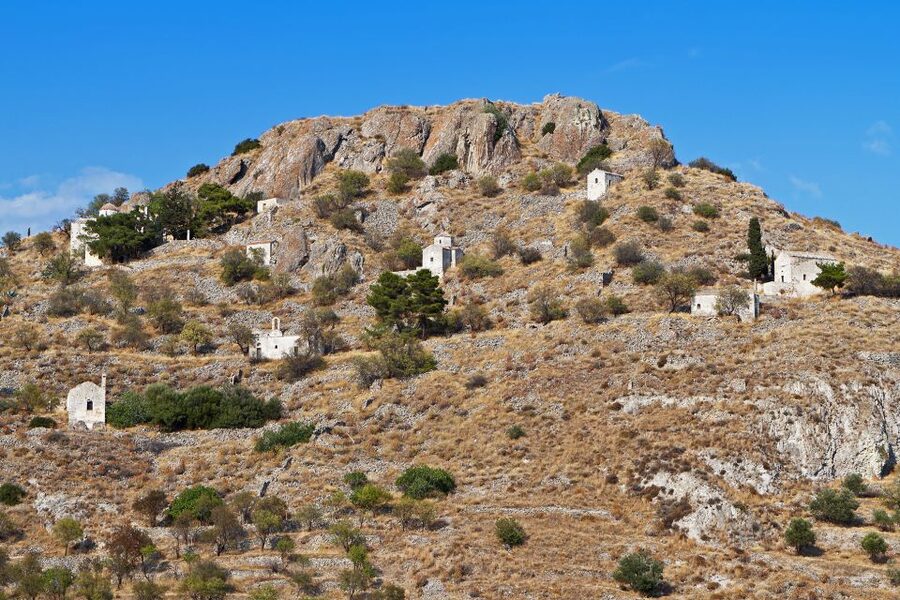
One of the more unusual stops is Paleochora, the former Byzantine settlement in the hills. The area has 28 surviving churches, many with wall paintings, and the remains sit above the modern road rather than beside it.
Your guide explains what you are seeing as you walk uphill. The attraction here is not a grand, intact monument. It is the setting and the fragments: small churches scattered over the slope, old stonework, painted interiors, and views from higher up.
This stop rewards curiosity more than speed. You can picture Paleochora as an abandoned hill settlement where religious buildings outlasted much of the surrounding town. The surviving paintings give the site a human scale that large classical ruins sometimes lack.
The climb is the main caution. Several people have found the walk harder than expected, especially in summer heat. You should wear proper walking shoes, carry water, and take your time. This is not the right excursion for anyone wanting a completely flat day.
The coach helps by taking you between the main areas, but it does not remove every walk. If you are traveling with a baby or a less mobile companion, tell the guide early. The tour team has been described as supportive with families, but the route still includes uneven ground and uphill walking.
Saint Nektarios Monastery and a living religious site
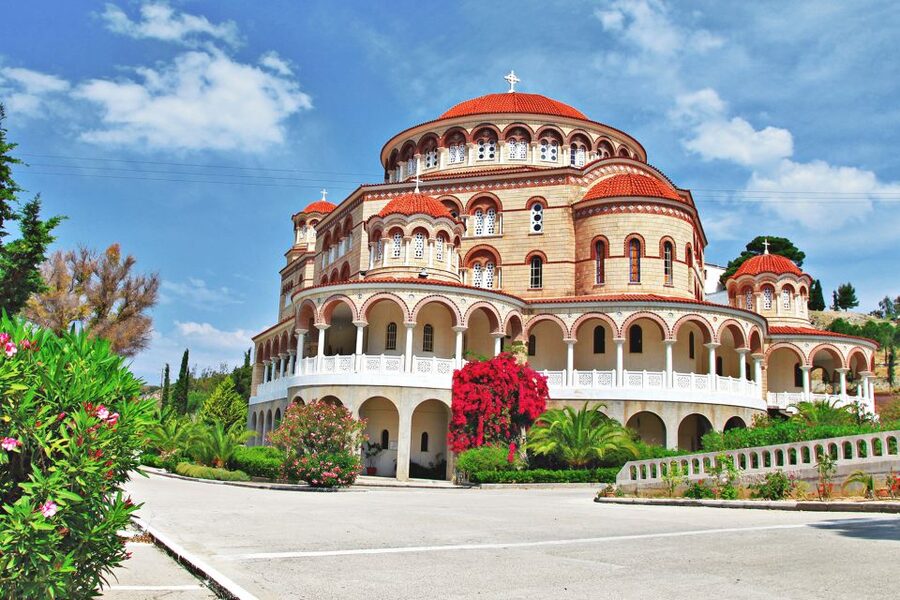
The tour continues to the monastery of Saint Nektarios, described as one of the largest in the Balkans. This is not simply another photo stop. It remains an important religious place, so you should enter quietly and dress with respect.
The monastery adds a modern Greek dimension to a day otherwise weighted toward ancient and Byzantine remains. Your guide can explain Saint Nektarios’s place in Greek Orthodox life, while the buildings and grounds provide a calmer pause after the Paleochora climb.
Guides are a major part of this tour’s value. The strongest guide reports consistently describe people who explain clearly, answer questions, and check that everyone is keeping up. Names that have received especially warm praise include Vivian, Vasilis, Dimitra, Stavroula, and Garyfallia. You will not necessarily be assigned one of them, but the company’s guide quality appears to be one of the tour’s strongest features.
Because the day includes both sacred spaces and archaeological sites, a good guide matters. Without context, Paleochora can look like a collection of small stone churches, and the monastery can pass quickly as a large building. With explanation, both stops become easier to understand.
More Island Day Trips in Athens:
- Krabi: Premium 4-Island Day Trip by Longtail Boat with Lunch
★ 4.5 · 4,812 reviews - Crete: Day Trip to Agios Nikolaos and Spinalonga Island
★ 4.6 · 4,416 reviews - Inverness: Isle of Skye and Eilean Donan Castle Day Trip
★ 4.8 · 4,136 reviews - Krabi: Hong Islands Day Trip by Speedboat with Lunch
★ 4.5 · 3,952 reviews
Athena Aphaia, Aegina’s great classical monument
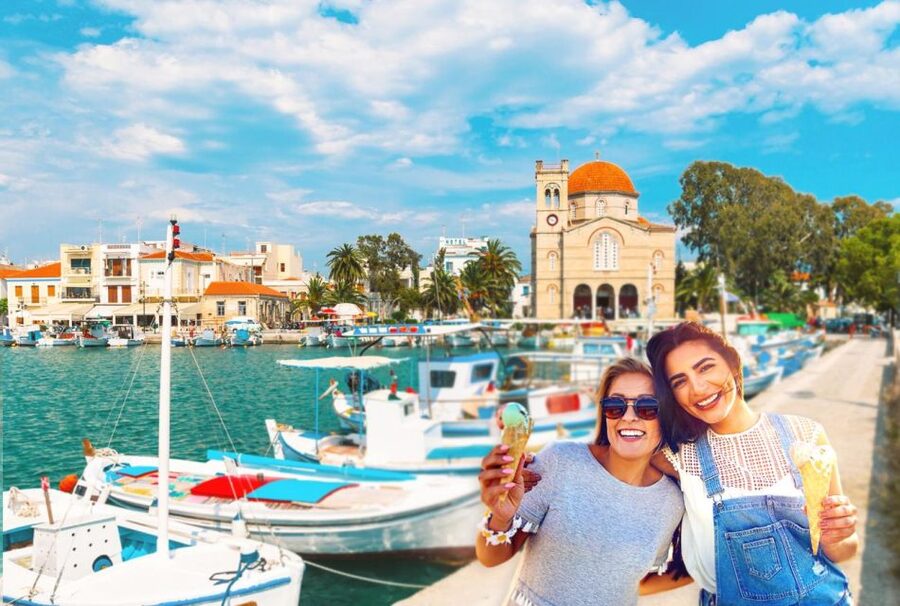
The Temple of Athena Aphaia is the day’s main ancient sight. It is widely regarded as one of the best-preserved Greek temples, and its hilltop position gives it a strong visual setting without requiring a visit to a huge archaeological complex.
The temple belongs to Aegina’s ancient past and shows the early classical development of Greek architecture. Look closely at the columns and the overall proportions. The site is valuable because you can read the structure directly, rather than relying only on imagination or scattered foundations.
The €10 entrance fee is not included. The supplied admission rules state that EU citizens up to age 25 enter free with valid identification, as do non-EU citizens up to age 18. EU citizens aged 65 and over may receive reduced admission only from October 1 through May 31. During June through October, the full price applies to seniors, so check your eligibility before counting on a discount.
The temple stop is best for anyone who wants genuine historical content, not just beach scenery. Your guide is an archaeologist, and that background can make a real difference here. Earlier guides on this route have been praised for explaining ancient history in a lively, approachable way rather than delivering a dry lecture.
Two hours by the water
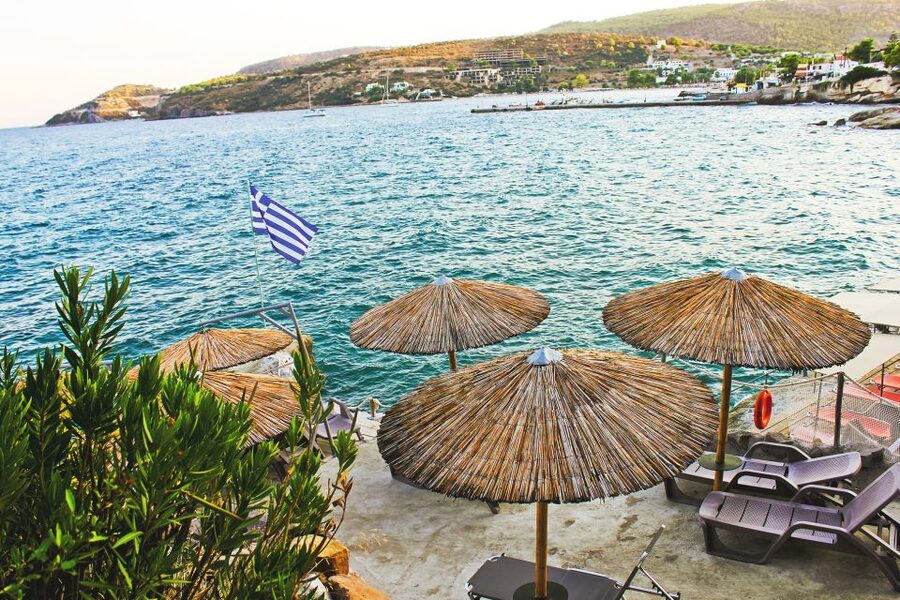
After the churches, monastery, and temple, the tour gives you around two hours at one of Aegina’s beaches. This is a sensible part of the schedule. You have time to swim, sit in the sun, and eat lunch at a traditional tavern instead of racing from one monument to the next.
The water is described as clear, with views across the Saronic Gulf. Bring your swimsuit, towel, sunglasses, hat, and water. You should also carry sunscreen, even though it is not specifically listed among the required items.
The beach break is flexible in spirit, but it is not an all-inclusive resort visit. Food and drinks are extra, and beach chairs cost extra. If you want a chair, ask about the charge before settling in. One useful detail is that visitors who prefer shopping or more town time can use this period differently, depending on the guide and the day’s timing.
Lunch at a seaside taverna can be one of the most pleasant parts of the outing. Fresh seafood is available, but you should not assume it is part of the tour price. If you want to swim, do not leave it until the last few minutes. The return ferry and group schedule mean you need to watch the meeting time yourself.
The beach stop also keeps the excursion from becoming a history marathon. In the strongest version of this day, you get a little culture, a little exercise, a swim, and a proper meal. That balance is one reason the trip suits people who would find an archaeology-only tour too tiring.
Aegina town, pistachios, and free time
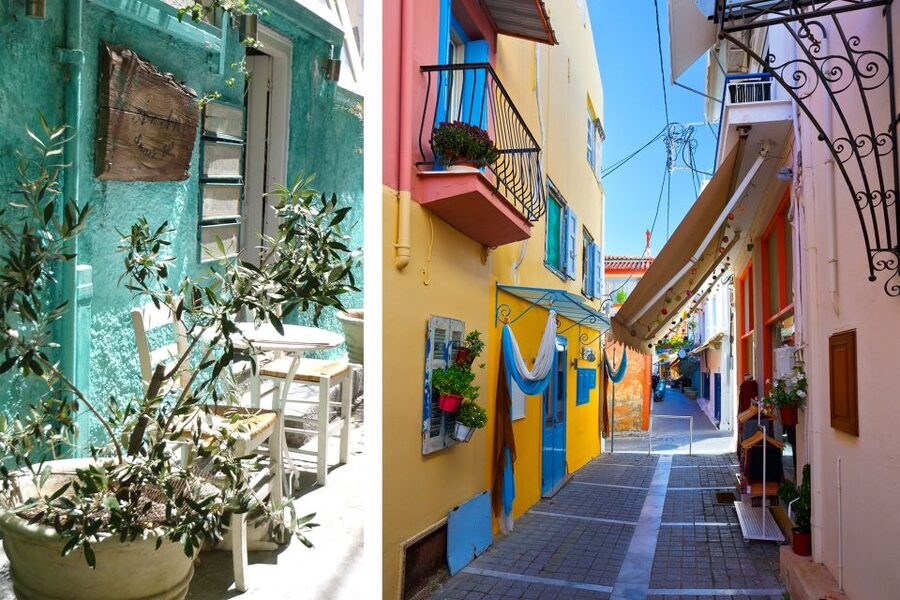
The final town visit gives you time to explore without a guide speaking every minute. Aegina town has neoclassical mansions and public buildings linked to the early years of modern Greece, including buildings associated with the country’s first governor.
This free time is useful. You can walk the port area, browse shops, buy food, or simply sit down before the return journey. Several people have wished they had allowed more time for shopping, especially after the pistachio tasting, so plan your priorities before the clock starts.
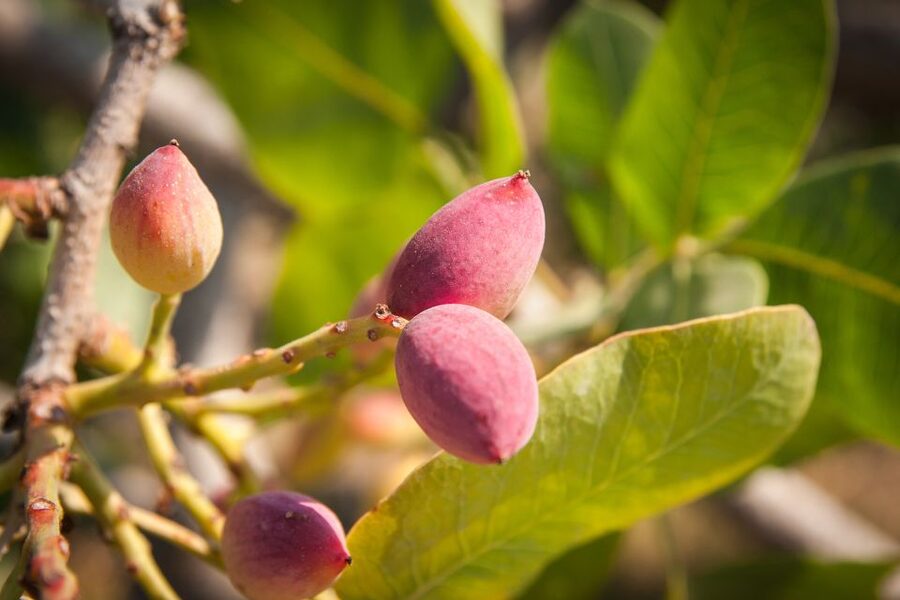
Pistachios are part of Aegina’s identity, and the tasting is more than a token snack. You may encounter roasted pistachios, sweets, pistachio pesto, and other local products. The tasting helps explain why the crop matters to the island, while the shops give you a chance to take home something more distinctive than a generic souvenir.
I would save a little spending money for this stop. Even if you are not interested in sweets, the local pistachio products make an easy gift and connect directly to Aegina’s food culture.
The town portion also helps you see Aegina as a place where people live, work, worship, and shop. That makes the day feel less like a chain of isolated sights.
What the $57 price really covers
At $57 per person, the base rate looks low for an 11-hour outing with a guide and island transport. But you need to add €30 for the ferry and sea taxi tickets, plus €10 for Athena Aphaia if you pay the standard archaeological admission.
The tour includes:
- An English-speaking archaeologist guide
- Ferry ticket handling and delivery, though not the ticket cost
- Coach transportation around Aegina
- Pistachio tasting
- Guided visits to the main historical sites
- Beach time and free time in Aegina town
You still pay for the ferry fare, temple admission, lunch, drinks, and a beach chair if you want one. At the real working price, it is not a bargain in the strictest sense, but it can be good value if you would otherwise need to arrange several buses, taxis, ferry details, and site visits yourself.
I would compare it with the cost of a self-guided day, not just the headline price. The main value lies in the guide, the organized transport, and the amount you can see without spending your holiday morning solving logistics.
Who will enjoy this day most
This tour suits you if you want an efficient first look at Aegina and enjoy mixing sites with downtime. Families can benefit from the coach and the guide’s help, though children and adults alike need to manage the uphill walk and long day.
It also works well for history-minded visitors who do not want to spend the entire excursion inside ruins. The temple, Paleochora, and monastery provide plenty of substance, while swimming and lunch keep the schedule from feeling like a school field trip.
You should think twice if you want a slow beach day, a private boat, or complete control over your timing. The ferry is shared, the schedule is fixed, and the group needs to stay together for transport. You may also find the heat tiring in July and August.
The day is offered in English, and cancellation is free up to 24 hours in advance. You can also reserve now and pay later, which helps if your Athens plans are still changing.
FAQ
Where does the Aegina day trip meet?
Meet at Piraeus Port, Gate E8, under the E8 sign. The gate is about a 10-minute walk from Piraeus metro station or Dimotiko Theatro metro station.
Are ferry tickets included in the $57 price?
No. Ferry tickets cost €30 per person, including the €6 pre-booking and service fee and €24 sea taxi fare. The tour team arranges and delivers the tickets before departure.
Is the Athena Aphaia entrance fee included?
No. Admission costs €10 unless you qualify for one of the stated free or reduced admission categories.
How much time do I get for swimming?
The beach stop lasts about two hours. You can use that time for swimming, relaxing, and eating at a nearby traditional taverna.
What should I bring?
Bring comfortable shoes, swimwear, a towel, sunglasses, a hat, and water. Comfortable shoes are especially important for the uphill walk at Paleochora.
Is the tour offered in English?
Yes. The tour includes a live English-speaking guide and an archaeologist guide who explains the island’s historical sites.
Should you book the Aegina day trip?
I would book this tour if you want one well-organized day that combines archaeology, religion, swimming, and local food. It makes Aegina easy to reach from Athens and gives you a useful overview without asking you to arrange island transport yourself.
Go in knowing the true cost is higher than $57, the Paleochora walk can be strenuous, and the ferry may bother anyone prone to seasickness. If those points are manageable, the mix is hard to beat: ancient Athena Aphaia, hilltop Byzantine churches, Saint Nektarios Monastery, two hours by the water, Aegina town, and pistachios before heading back to Athens.
Just written up around Athens
- Poros Island: Full Day Trip From Athens with Swimming★ 4.8 · 33 reviews
- Hydra Island: Full Day Trip from Athens with Swimming★ 4.8 · 103 reviews
- From Athens: Private Delphi and Thermopylae Guided Day Trip★ 4.8 · 52 reviews
- From Athens: Delphi Day Trip & Arachova Village Stop★ 4.6 · 180 reviews
- From Athens: Temple of Apollo and Oracle Delphi Day Trip★ 4.3 · 51 reviews
- From Athens: Mycenae, Nafplion and Epidaurus Day Trip★ 4.5 · 246 reviews
- From Athens: Meteora Full-Day Trip with Guide on Luxury Bus★ 5.0 · 25 reviews
- Athens: Meteora 2-Day Trip with Hotel, Sunset & Morning tour★ 4.7 · 139 reviews
Day Trips from Athens, side by side.
Cape Sounion & Poseidon Temple Sunset Half-Day Trip
Read our review →
Meteora Monasteries Day Trip with Caves and Lunch
Read our review →
Small-Group Delphi, Museum & Arachova Day Trip
Read our review →

Delphi English Day Trip from Athens with Official Guide
Read our review →
Meteora Monasteries, Caves & Coastal Stopovers with Lunch
Read our review →
Peloponnese Highlights Day Trip and V.R. Audio Guide
Read our review →
Premium Delphi Day Trip with an Expert Guide, Museum & Lunch
Read our review →Lists this day trip turns up in