
Review · AROUND THE WORLD
Day trip Debre Libanos, Bule nile George &Portugal Bridge
The best part of this day trip is the sharp change from Addis Ababa to open highland country. In a few hours, you move from city traffic to Debre Libanos, sacred caves, steep valleys, a historic stone bridge, and Gelada baboons feeding near the Blue Nile Gorge. I like the mix of religion and wildlife, and I like that the journey gives you a look at rural life rather than keeping you inside the capital.
The catch is the road. Plan on about two and a half hours each way, with rough sections and plenty of trucks. It is a long, tiring day, but the views, monastery, waterfall, and gorge make the distance worthwhile if you want more than an Addis Ababa city tour.
Key points to know before booking

- Debre Libanos combines faith, art, and painful modern history: See the church, religious museum, holy spring, and memorial to victims of the 1937 massacre.
- The Portuguese Bridge gives you the day’s big scenery: Look across the gorge, watch for Gelada baboons, and take in the valley below.
- The drive is part of the experience: You pass farms, livestock, roadside markets, donkeys, and rural homes, but the road can be bumpy and slow.
- This is a private 9-hour outing: Pickup is available from your Addis Ababa hotel or Bole International Airport, with an English-speaking guide.
- Lunch is not included: Bring money or food for the day, and carry water even though bottled water is provided.
- A head scarf matters at the monastery: Women should bring one to cover their heads when entering the religious site.
Why this day trip works so well from Addis Ababa
Addis Ababa has plenty to see, but it is easy to spend your entire visit among museums, restaurants, and city traffic. This trip gives you a full day outside town without requiring a separate overnight stay.
The route heads north through the Entoto Mountains. The drive takes roughly two hours to Debre Libanos, covering about 110 kilometers, though road conditions and truck traffic can stretch the trip. I would treat the journey as part of the day rather than a simple transfer. You see dense highland vegetation, valleys, livestock, roadside activity, and the daily rhythm beyond the capital.
That rural view is one of the tour’s strongest features. You may see donkeys and cows along the road, people tending land, local markets, and pilgrims near the monastery. It is not polished sightseeing, and that is precisely its value. You get a clearer sense of how the city connects to the countryside.
The tour costs $90 per person. For a private group, that includes transport, pickup and drop-off, entrance fees, an Addis-based escort guide, a local monastery guide, bottled water, and Ethiopian coffee. Lunch, drinks other than the included coffee and water, souvenirs, and personal expenses are extra. I consider the price reasonable for a full private day, especially if you are traveling with another person or a small group and want airport pickup included.
More Day Trips in the world:
- Tuscany Day Trip from Florence: Siena, San Gimignano, Pisa and Lunch at a Winery
★ 5.0 · 21,634 reviews - From Amsterdam: Zaanse Schans, Volendam & Marken Day Trip
★ 4.4 · 18,501 reviews - From Munich: Neuschwanstein & Linderhof Castle Full-Day Trip
★ 4.6 · 14,646 reviews
Debre Libanos, Ethiopia’s important mountain monastery
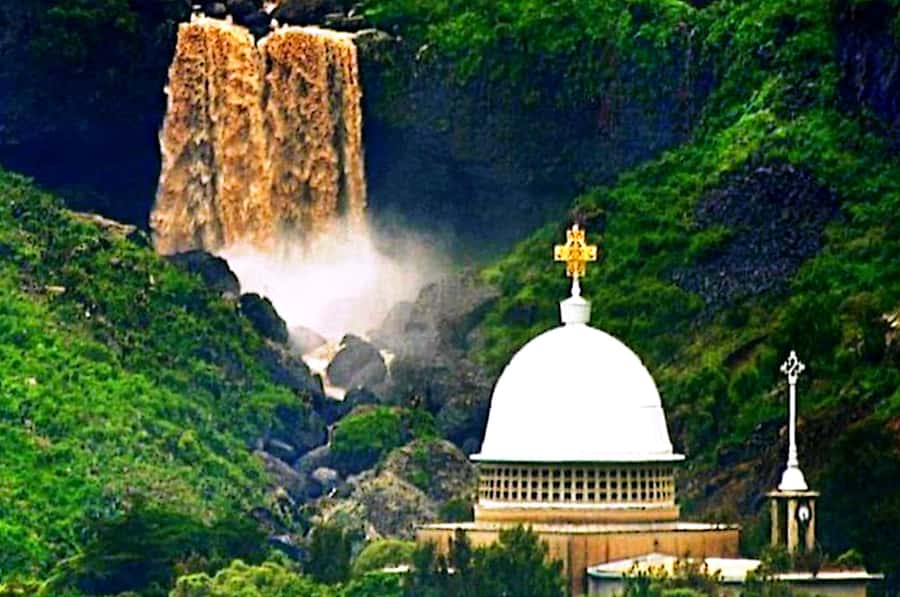
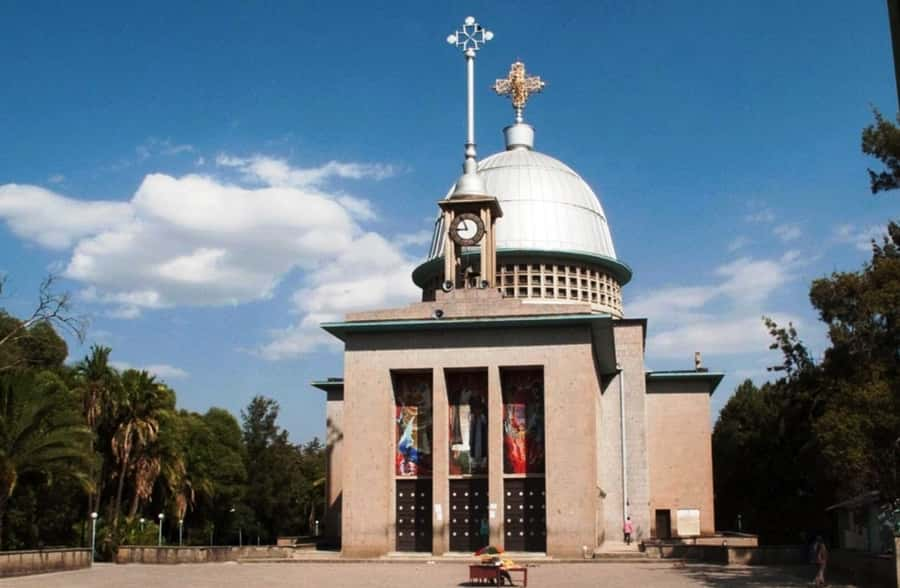
Debre Libanos was established in 1284 by Saint Tekle Haymanot and remains one of the most important Ethiopian Orthodox Tewahedo religious sites in the area. You do not simply stop for a quick photograph here. The visit lasts about an hour and a half, giving you time to see the church, museum, cave, holy water, and memorial.
The church is richly decorated, and the museum adds useful context. Its collection includes religious objects, historical crowns, musical instruments, and items connected with the Italian occupation. This helps turn the stop into more than a religious monument. You get a look at Ethiopian worship, art, royal tradition, and the country’s difficult twentieth-century past in one place.
A local guide joins the visit at the monastery. This matters because the meaning of the church and its customs may not be obvious if you are exploring alone. Your main English-speaking escort can also help explain local etiquette and answer questions as you move between sites.
Wear comfortable clothing that allows you to behave respectfully inside a religious compound. Women should bring a scarf to cover their head when entering the monastery. Alcohol and drugs are not allowed, and the site should be treated as an active place of worship, not simply an old building.
Saint Tekle Haymanot’s cave and the holy spring

The cave connected with Saint Tekle Haymanot is one of the most personal parts of the visit. The monastery’s founder is closely linked with the site, and the cave gives the religious story a physical setting.
You will also see the holy spring, which is believed to have healing powers. The tour presents this as part of the monastery’s living faith. You do not need to share the belief to appreciate what the spring means to worshippers and pilgrims.
Allow time to walk rather than rushing from one stop to the next. The itinerary includes walking and a guided visit, so supportive shoes are a good idea. A change of clothes is also listed among the recommended items, which makes sense for a full day that includes walking, outdoor viewpoints, and possible dust on the road.
The 1937 memorial and Ethiopia’s hard history
Near the church, a memorial remembers priests and worshippers killed by Italian forces in 1937. This is a serious stop, and it gives the monastery a stronger historical dimension.
I appreciate that the day does not reduce Debre Libanos to pretty decoration and scenic views. The memorial points to the violence suffered by religious communities during the Italian occupation. Ask your guide to explain the events in the context of Ethiopia’s twentieth-century history. The information is more meaningful when you understand why the monument is placed beside such an important spiritual site.
This section may feel heavy compared with the gorge and wildlife later in the day. That contrast is part of the experience. The tour moves from devotion to memory, then out into the countryside and open views.
Same base, a different day out:
- Lisbon: Pena Palace, Sintra, Cabo da Roca, & Cascais Daytrip
★ 4.7 · 9,981 reviews - Florence: Pisa, Siena and San Gimignano Day Trip with Lunch
★ 4.6 · 9,771 reviews - From Marrakech: Day Trip to Ouarzazate and Ait Benhaddou
★ 4.7 · 9,447 reviews - From Naples: Sorrento, Positano & Amalfi Coast – Small Group Tour
★ 5.0 · 8,643 reviews
Portuguese Bridge above the Blue Nile Gorge
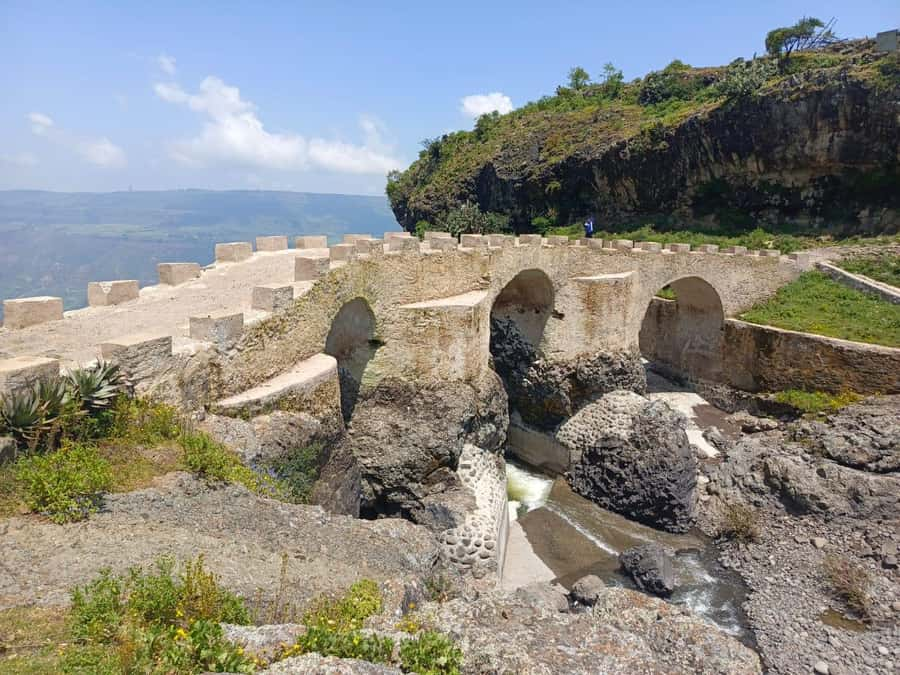
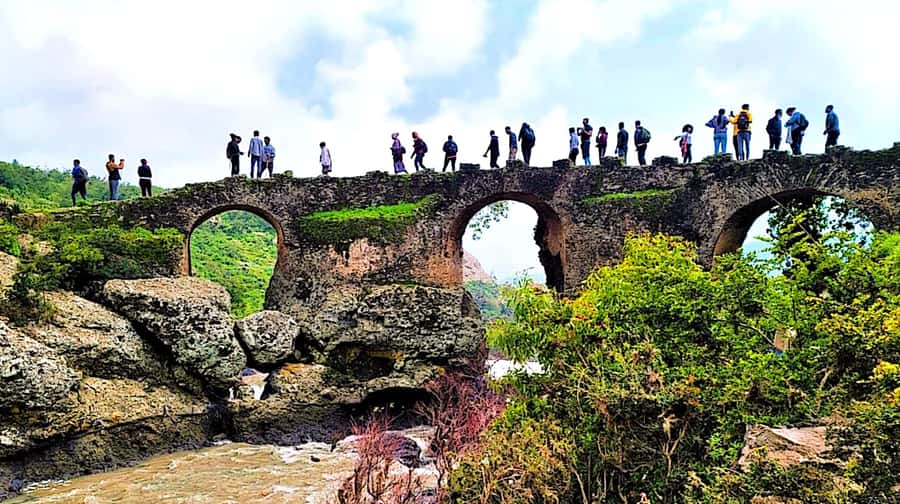
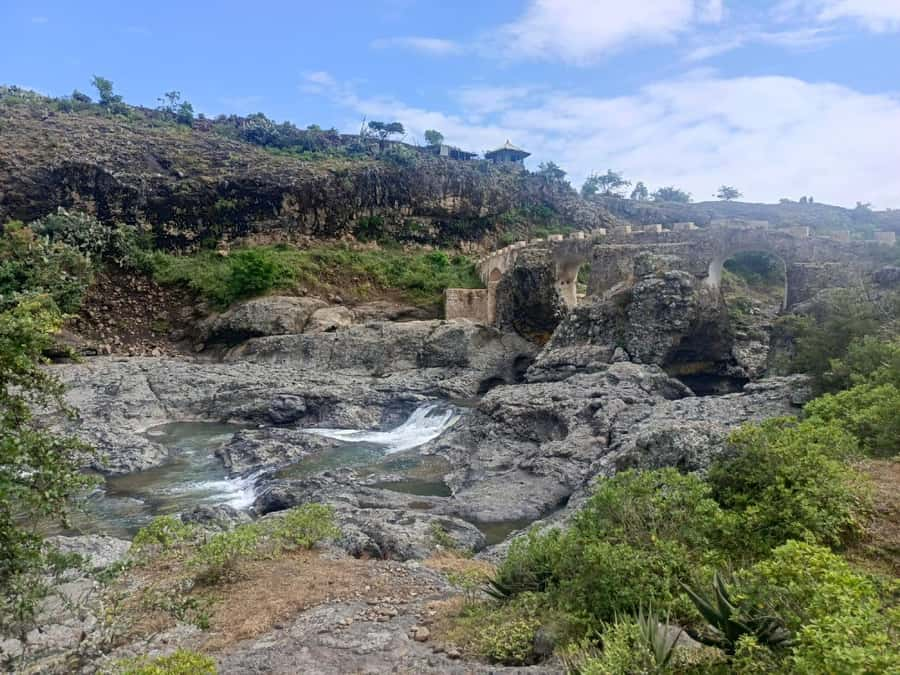
After Debre Libanos, the route continues to the Portuguese Bridge, a sixteenth-century stone bridge above the Blue Nile Gorge. The bridge is the day’s signature photo stop, but the setting around it is just as important.
From the viewpoint, you can see steep valley scenery and broad highland views. A large waterfall is also part of the surrounding scenery, adding movement and scale to the stop. The gorge feels very different from Addis Ababa, and the change in air, space, and sound is one reason the long drive pays off.
The bridge itself raises an obvious question: why is there a Portuguese structure in this part of Ethiopia? Your guide can provide context about the bridge and its place in the area. Even if you are not especially interested in old masonry, the location makes the stop worthwhile.
You get about an hour here for photographs, walking, sightseeing, wildlife viewing, and some free time. The ground may be uneven, so comfortable shoes are essential. Keep your attention on the surroundings rather than trying to fit every moment into a camera screen. The best views are the reason you came this far.
Gelada baboons and birdlife at the gorge
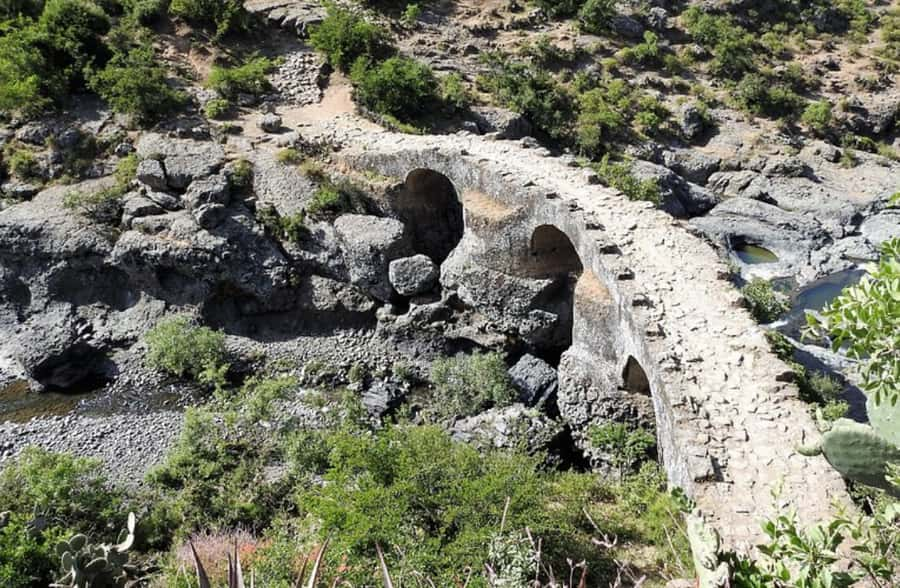
The Portuguese Bridge area is also one of the tour’s best chances to see Gelada baboons. These Ethiopian endemics are a major attraction, and the open setting can make them easier to spot than wildlife inside a dense forest.
Sightings are not guaranteed, but the guide can help locate them. One of the useful features of a private tour is being able to pause when wildlife appears rather than following a large group on a strict schedule. You may also see a variety of native birds in the gorge area.
Bring patience. Wildlife viewing is not a zoo visit, and the animals may be some distance away. A phone camera may capture the scenery better than the baboons unless you have a zoom lens. The reward is seeing animals in their own highland surroundings, alongside a historic bridge and dramatic valley views.
A stop at the Jamma River
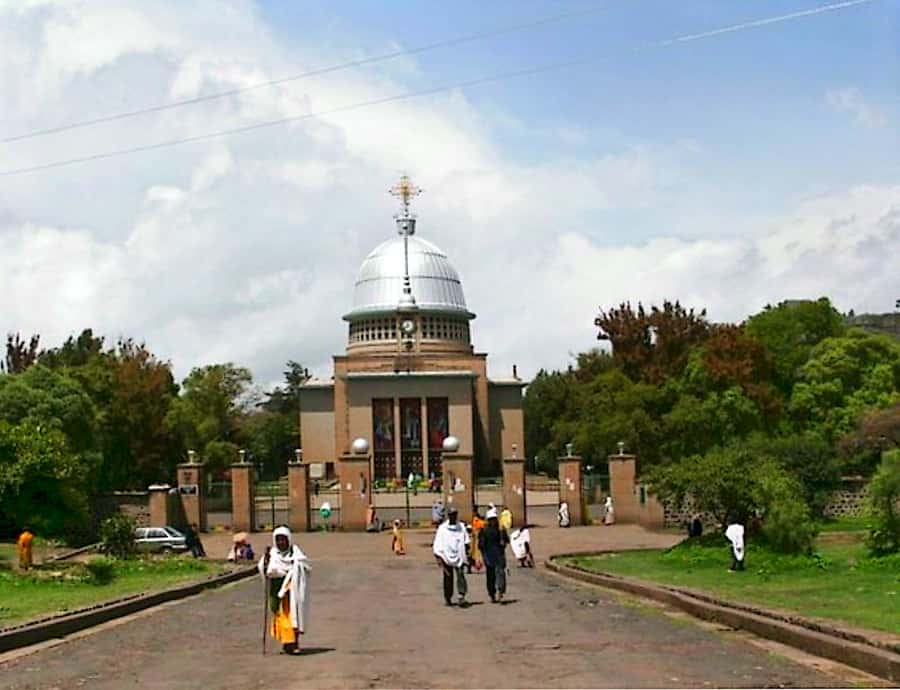
The Jamma River section lasts about an hour and includes a photo stop, guided sightseeing, walking, hiking, and more chances for wildlife viewing. It adds another outdoor setting rather than ending the day immediately after the bridge.
This is a useful part of the itinerary if you want time outside the vehicle. After the long drive and monastery visit, a walk near the river lets you stretch your legs and take in more countryside. The exact feel of the stop will depend on conditions and the pace of the day, but it is intended as an active outdoor break.
You should not book this trip expecting a demanding mountain trek. The stated activities are walking and hiking, but the experience is primarily a sightseeing day with short outdoor sections. Pregnant women are advised not to join, and anyone with mobility concerns should consider the walking, uneven ground, and long road journey before booking.
What the 9-hour schedule feels like
The suggested start is 7:30 AM, with pickup from your Addis Ababa hotel or Bole International Airport. Be ready 15 minutes early. Airport pickup uses a banner with your name, so you can identify the driver after leaving the terminal.
A typical day looks like this:
- Morning departure from Addis Ababa
- Roughly two hours through the Entoto Mountains and highlands
- About 90 minutes at Debre Libanos Monastery
- About one hour at the Portuguese Bridge
- About one hour around the Jamma River
- Return drive to Addis Ababa
- Drop-off at your hotel or the airport around 5:00 PM
The schedule is full. Road traffic, truck delays, photo stops, and time spent watching wildlife can shift the timing. If you have an evening flight, confirm the plan carefully before booking. The listed drop-off includes the airport, but the return drive is long enough that you should avoid creating a tight connection.
The tour is offered as a private group experience with an English-speaking live guide. Guides named in the feedback include Kena and Kane, although the assigned guide can vary. The guide’s role is especially useful for wildlife spotting, monastery customs, and explaining rural life along the route.
Food, coffee, clothing, and what to pack
Lunch is not included, so plan ahead. The information provided does not specify a restaurant or lunch stop. Bring food or ask about the day’s meal arrangements before departure rather than assuming lunch will appear automatically.
Ethiopian coffee is included, along with bottled water. Coffee is a welcome cultural touch, but it should not replace a proper meal on a nine-hour outing. Carry a little extra water if you drink heavily during walks or if the day is warm.
Pack:
- Comfortable walking shoes
- Comfortable clothes suitable for a religious site
- A head scarf for women entering the monastery
- A change of clothes
- Camera or phone
- Cash for lunch, souvenirs, and personal expenses
Alcohol and drugs are not allowed. Souvenir shopping is not included, though free time may allow you to browse near the sites.
The main drawback: a long and bumpy road
The road is the one issue I would explain clearly before you book. The drive can take about two and a half hours each way, and some sections are bumpy. Heavy truck traffic can make it slower and less comfortable.
Still, the road offers something valuable. You see people working land, livestock moving along the roadside, markets, pilgrims, and the countryside outside Addis Ababa. If you view the drive only as wasted time, the day may feel exhausting. If you treat it as part of the cultural experience, it becomes easier to accept.
The tour is not ideal for someone who wants a relaxed, short excursion with little time in a vehicle. It suits you better if you are willing to trade road comfort for a monastery, a gorge, a historic bridge, and the possibility of seeing Gelada baboons.
Who should book this private day trip
I would choose this tour if you have a free day in Addis Ababa and want a strong first look at Ethiopia beyond the capital. It works particularly well for people interested in Orthodox Christianity, Ethiopian history, rural life, wildlife, and highland scenery.
It also suits airport visitors because pickup and drop-off are available at Bole International Airport. Just allow enough time around your flight. The full return route can be tiring, so do not schedule a rushed departure immediately after the planned 5:00 PM return.
You may want a different outing if you dislike long drives, rough roads, or walking around religious and outdoor sites. The experience is also not suitable for pregnant women according to the stated restrictions.
Should you book it?
Book this day trip if you want variety. In one long day, you get a major monastery, a museum, a sacred cave, a historical memorial, a stone bridge, a gorge, a river stop, birds, and a chance to see Gelada baboons. The $90 price covers the major practical costs, and private transport gives you more flexibility than a large group departure.
Skip it if your priority is comfort or a slow schedule. The road is rough, lunch is extra, and the day can run from early morning until late afternoon. For the right visitor, though, the tiring drive is the price of reaching one of the most rewarding stretches of countryside near Addis Ababa.
FAQ
How long is the Debre Libanos and Portuguese Bridge tour?
The tour lasts about 9 hours. Pickup is recommended at 7:30 AM, with return to Addis Ababa planned for around 5:00 PM.
Where can I be picked up and dropped off?
Pickup and drop-off are available at METAS Hotel and Spa or Addis Ababa Bole International Airport. Hotel pickup within Addis Ababa is also provided.
Is lunch included in the price?
No. Lunch is not included. Ethiopian coffee and bottled water are included, while food, alcoholic drinks, souvenirs, and personal expenses cost extra.
Is the tour private?
Yes. The activity is offered for a private group with an English-speaking live guide.
What should women bring for the monastery visit?
Women should bring a scarf to cover their heads when entering the monastery. Comfortable, respectful clothing and good walking shoes are also recommended.
Can I cancel the booking?
You can cancel up to 24 hours in advance for a full refund. The reserve-now-and-pay-later option allows you to hold your plans without paying at the time of booking.
Just written up around the world
- Day Trips from Agadir to Marrakech with Amazing guide★ 4.5 · 26 reviews
- Agadir guided city tour half-day trip★ 4.5 · 23 reviews
- Day trip from Agadir to Massa in 4X4★ 5.0 · 31 reviews
- Day Trip From Addis Ababa See Historical Monastery,Stunning Nature,Animals,Birds★ 5.0 · 303 reviews
- “Discover Hahndorf: Wine, Cheese, Beer, Shops & Lunch Day Trip”★ 5.0 · 38 reviews
- Agadir Day Trip To Legzira & Tiznit★ 3.5 · 20 reviews
- Murray River Day Trip from Adelaide Including Lunch Cruise aboard the Proud Mary★ 4.0 · 105 reviews
- Day trip to Adadi Mariyam and Melka kunture★ 4.5 · 20 reviews