
Review · DAY TRIPS FROM TOKYO
Tokyo: Day Trip to Kamakura in Spanish – Spanish
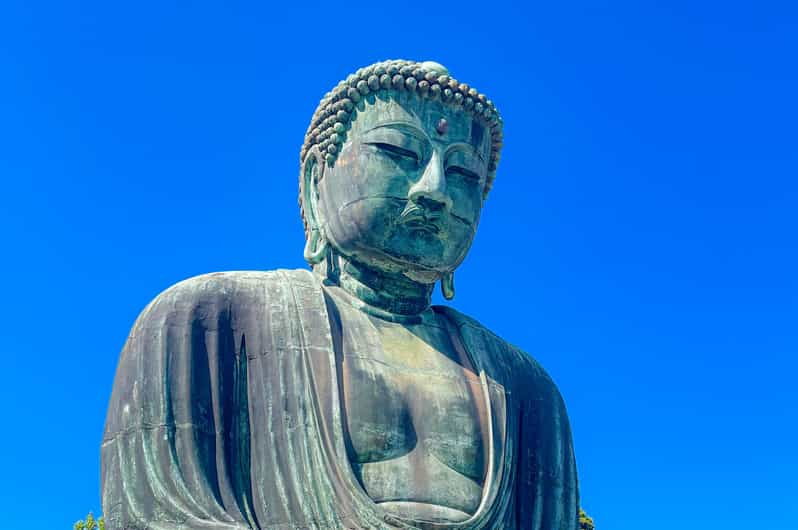
Kamakura gives you a striking change of pace from Tokyo: within a few train stops, city towers give way to temple grounds, wooded paths, old shrines, and a broad shopping street. The centerpiece is the 13-meter bronze Buddha at Kotoku-in, but Hase-dera adds the legends, gardens, and quiet corners that make the day feel like more than a sightseeing checklist.
I like the fact that this is conducted in Spanish and that the guides offer practical advice for the rest of your Japan trip. I also like the use of local public transportation, including one of Japan’s oldest trams. The main drawback is cost clarity: the $86 price does not include about ¥2,300 for transportation, ¥700 for temple admission, lunch, or drinks.
Key points to know before booking
- Ride the historic Enoden tram: The short tram journey adds local character and connects Kamakura with Hase-dera.
- See one of Japan’s great Buddha statues: Kotoku-in is home to a bronze Buddha about 13 meters tall and weighing 121 tons.
- Spend a full eight hours away from Tokyo: This is a substantial day trip, not a quick half-day outing.
- Receive Spanish-language guidance: Guides including Camila, Nerea, Ori, Paula, Nikita, and Emi have led visitors through the temples and town.
- Budget for extra costs: Transport, temple tickets, food, and drinks are separate from the tour price.
- Expect walking and public transportation: Large bags are not allowed, and the outing is not suitable for wheelchair users or people with hearing impairments.
Why Kamakura makes a fine break from Tokyo
Tokyo can fill your senses quickly. Kamakura offers a useful reset. The town was once a major political center, and its temples and sacred sites give the day a strong sense of place without requiring a long journey into the countryside.
You begin at Tokyo Central Station, in front of the station facade at Marunouchi Square near the central exit. From there, the group takes a train to Kamakura. The journey is part of the experience, not dead time. You see how easily Japan’s public transport links the capital with a smaller historic town.
The tour lasts eight hours, so plan your day accordingly. This is best for you if you want a guided cultural outing and do not want to work out the train route, local tram, temple order, and return trip yourself. It is less suitable if you prefer a loose schedule or want to spend the whole day independently in Kamakura.
The Spanish-language format is a major reason to choose this outing. A guide can explain the stories behind a statue or temple in natural Spanish, then answer questions as the day unfolds. Names connected with the guiding team include Camila, Nerea, Ori, Paula, Nikita, and Emi. Your actual guide depends on the date, but the experience is designed around friendly, personal attention rather than a silent transfer between attractions.
More Day Trips in Tokyo:
- From Tokyo: Mount Fuji Customizable Private Day Tour
★ 4.9 · 1,070 reviews - Tokyo: Mt. Fuji, Kamakura, Big Buddha, & Lake Ashi Day Trip
★ 4.5 · 867 reviews - Tokyo Private Day Trip – Enjoy Your First-Time Visit to Tokyo!
★ 5.0 · 793 reviews
The train from Tokyo Central Station
Meet at the front facade of Tokyo Station in Marunouchi Square, using the central exit as your reference point. That detail matters because Tokyo Station is large, and a vague meeting instruction can cost you time and stress.
Once everyone is together, you travel by train toward Kamakura. Public transportation is used throughout the outing. The transport supplement is listed as ¥2,300, paid separately from the tour price, so include it in your planning from the start.
One person found the transport arrangement unclear because it was not included in the advertised cost. That is the most important practical warning here. The tour price is $86 per person, but your real spending also includes the train and tram fare, ¥700 in temple tickets, and whatever you buy for lunch and drinks.
The positive side is that you avoid arranging each leg yourself. One Spanish-language guide manages the movement between Tokyo, Kamakura, the tram, the temples, the shopping street, and the return station. A previous outing was also praised for short waits and air-conditioned transport, though you should still allow for the normal movement and standing that come with public transit.
Riding the old tram to Hase-dera
After reaching Kamakura, you board the Enoden tram, described as one of the oldest trams still operating in Japan. This is a small but memorable part of the day. It gives you a sense of Kamakura as a living town, not simply an open-air museum reached by tour bus.
The tram takes you toward Hase-dera. Using this local line also keeps the experience connected to daily life in the area. You are not sealed inside a private vehicle while the guide points out sights through a window. You move as people in Kamakura do, then continue on foot.
The transport approach has one tradeoff. You must be comfortable following the guide through stations and public spaces, and you may spend part of the day standing or walking between stops. Large bags are not allowed, so bring only what you need for the outing.
Hase-dera, where gardens meet old legends
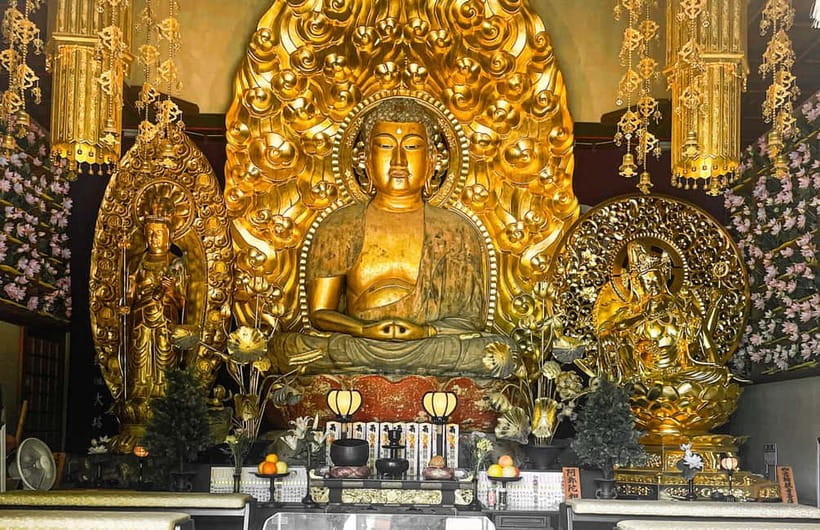
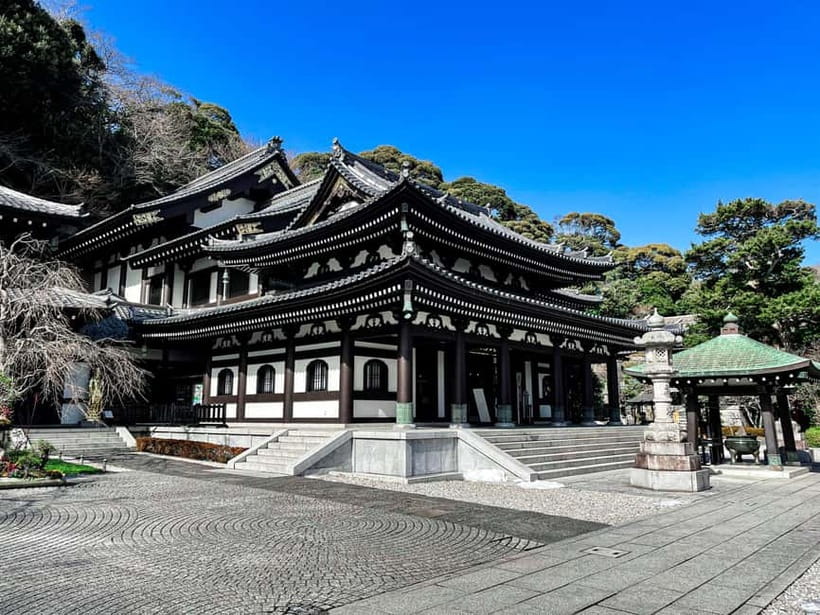
Hase-dera is the first major temple visit. The site is presented as a place filled with myths and legends, and the guide’s storytelling is central to its appeal. This is where the Spanish-language tour can add real value. A temple is easy to photograph, but its stories help you understand why the place matters.
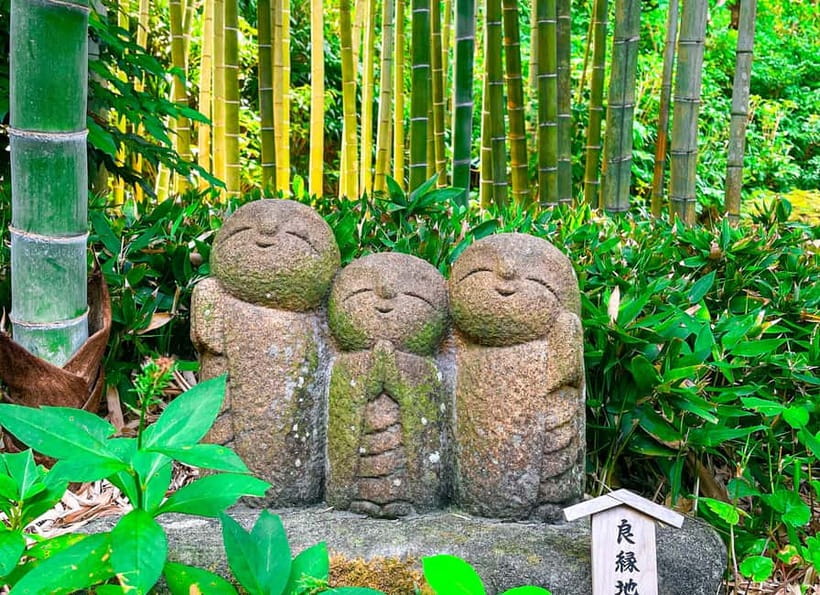
Expect a temple setting with serene nature, vegetation, and views. One visitor specifically praised the plant life and scenery around Kamakura, and Hase-dera is one of the places where that quieter side of the town comes through.
Do not rush this stop. Look beyond the main religious buildings and allow time for the setting itself. The tour description emphasizes curiosity and legend, so listen for the details that explain the temple’s unusual features and local beliefs.
The exact route through the grounds is not specified, and the tour may need to keep moving to stay on schedule. That means independent visitors might spend longer here, but you gain a guide who gives the site context in Spanish and keeps the day organized.
Several guides have received especially strong praise for their explanations. Paula was singled out for her knowledge of Japanese history, while Nerea was praised for her patience and for adjusting the pace to children in the group. Those details suggest that the best part of the visit may be the way the guide adapts the information to your group, rather than simply reciting dates.
Same base, a different day out:
- Mt. Fuji Day Trip from Tokyo with English Speaking Driver Guide
★ 5.0 · 443 reviews - Tokyo: Mount Fuji and Hakone Private Sightseeing Day Trip
★ 4.8 · 434 reviews - From Tokyo: Mount Fuji And Hakone Private Full Day Trip
★ 4.8 · 359 reviews - From Tokyo: Nikko World Heritage Site Private Full-Day Trip
★ 4.9 · 243 reviews
Meeting the giant Buddha at Kotoku-in
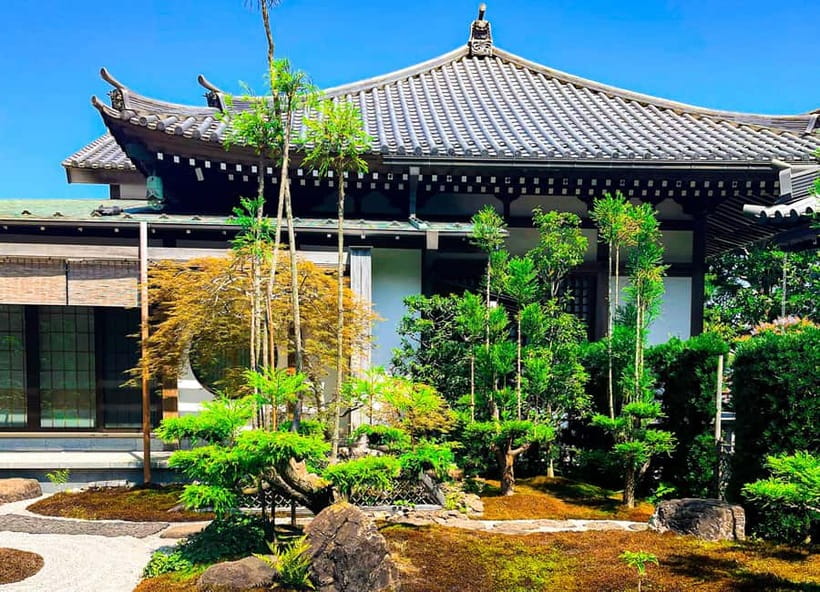
From Hase-dera, you walk to Kotoku-in Temple. The main attraction is the bronze Buddha, which measures about 13 meters and weighs 121 tons. It is described as the second largest bronze Buddha in Japan, making this one of the clearest highlights of the day.
The scale is impressive, but the setting matters just as much. The statue is not presented as a quick photo stop alone. Your guide explains the religious and historical meaning of the temple and helps you notice details you might otherwise pass by.
This is also a good point in the tour for questions. If you have wondered how Buddhist temples differ from Shinto shrines, or why certain statues and grounds are arranged as they are, ask your guide while you are there. The tour is designed around legends, history, and unusual facts, so you should get more than a basic identification of the Buddha.
Temple admission costs ¥700 separately. Bring enough yen or confirm the accepted payment method before the day begins, since the ticket is not covered by the tour price.
The two temple visits work well together. Hase-dera provides a more varied setting of nature, stories, and sacred spaces. Kotoku-in gives you a single monumental object that is easy to understand at a glance. Together they create a balanced introduction to Kamakura.
Lunch and shopping on Kamakura’s main street
After the temples, the group moves to the main street of Kamakura. It is lined with shops and has a distinct local atmosphere, making it the most flexible part of the schedule.
Lunch is not included, so you choose and pay for your own food. That gives you freedom, but it also means the final cost depends on what you order. Drinks are separate as well. If you are traveling with children or have dietary needs, use the guide’s recommendations and ask for help choosing a suitable place.
You also have time to browse the shops. The experience is not only about major temples. Kamakura’s shopping street lets you see the town’s everyday side and pick up food, gifts, or small souvenirs.
This stop can feel short if you want a long meal and serious shopping. The return train is part of the planned schedule, and the outing needs to get everyone back to Tokyo. Think of this as a guided introduction to the street, not an afternoon devoted entirely to shopping.
The guides are also useful here because they can suggest what to look for and how to continue your Japan trip. The experience includes practical tips and recommendations beyond Kamakura, which is helpful if this is one of your first days in Japan.
Returning to Tokyo after a full day
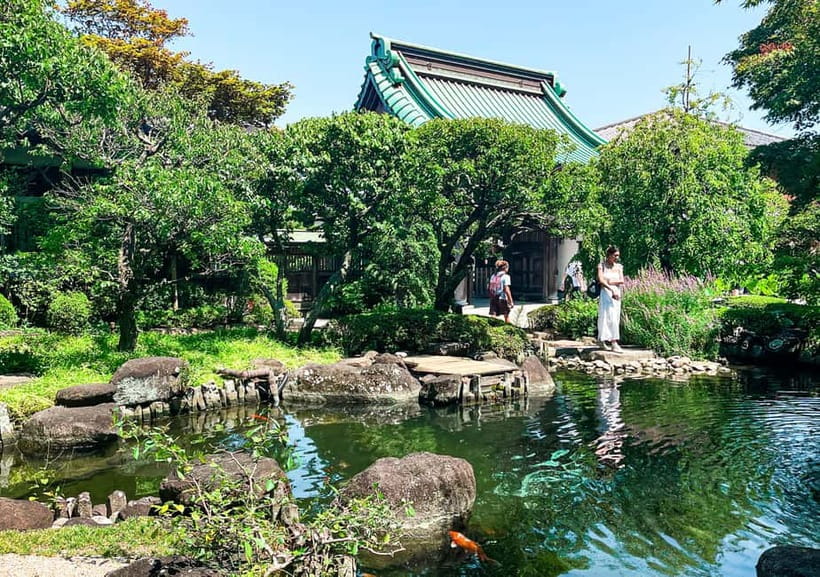
After lunch and shopping, you take the train back to Tokyo Station and finish at the original meeting point. The return arrangement is straightforward, but you should stay close to the group and follow the guide’s timing.
An eight-hour excursion can feel long if you want a slow, unstructured day. It can also be exactly right if you want to see Kamakura without planning every connection. The day combines trains, a tram, temples, walking, lunch, and shopping, so it has enough variety to keep the journey from feeling repetitive.
The guide’s role is especially useful on the way back. You do not need to figure out the correct station or worry about missing the final connection on your own. If you have questions about Tokyo or your next destination, this is a good time to use the promised recommendations.
What the $86 price really covers
At $86 per person, this is not a bargain transportation ticket. You are paying for a full-day guided experience in Spanish, route management, temple visits, local context, and advice for the rest of your trip.
The value is strongest if you would otherwise need to research the Kamakura route, work out the Enoden connection, decide which temples to visit, and translate information as you go. A good Spanish-speaking guide can make the sites much more understandable, especially when the explanations involve religious customs, legends, and Japanese history.
The extra costs need to be placed beside the base price:
- Transportation: about ¥2,300
- Temple tickets: ¥700
- Lunch: not included
- Drinks: not included
That puts the final cost above the headline figure. The separate transport charge is easy to miss, so I would treat the $86 as the guiding and excursion fee, not the complete cost of the day.
The value is also affected by group dynamics. The description promises friendly, personalized guides, and individual guides have been praised for being attentive, patient, and organized. Still, the exact level of personal attention depends on the size and makeup of your group.
The Spanish-language guiding experience
The strongest reason to book is the language support. You can enjoy Kamakura independently, but a Spanish-speaking guide gives you a better chance of following the stories and asking questions without a language barrier.
The guiding style appears to vary slightly. One outing caused some confusion because the guide first said the tour would be in Spanish and later also guided in English. If you need Spanish for the entire experience, confirm the language arrangement before booking.
The named guides bring different strengths. Camila was praised for handling the outing efficiently and explaining relevant information. Nerea was patient with children and adjusted to their pace. Paula was valued for her Japanese history knowledge. Ori made the visit entertaining and offered useful recommendations. Nikita was described as warm, attentive, and detailed, while Emi was thanked warmly for making the day enjoyable.
You should not assume a particular guide will lead your date, but these examples help set a reasonable expectation: expect a human guide who does more than lead you from gate to gate, while allowing for some variation in style.
Who should book this Kamakura day trip?
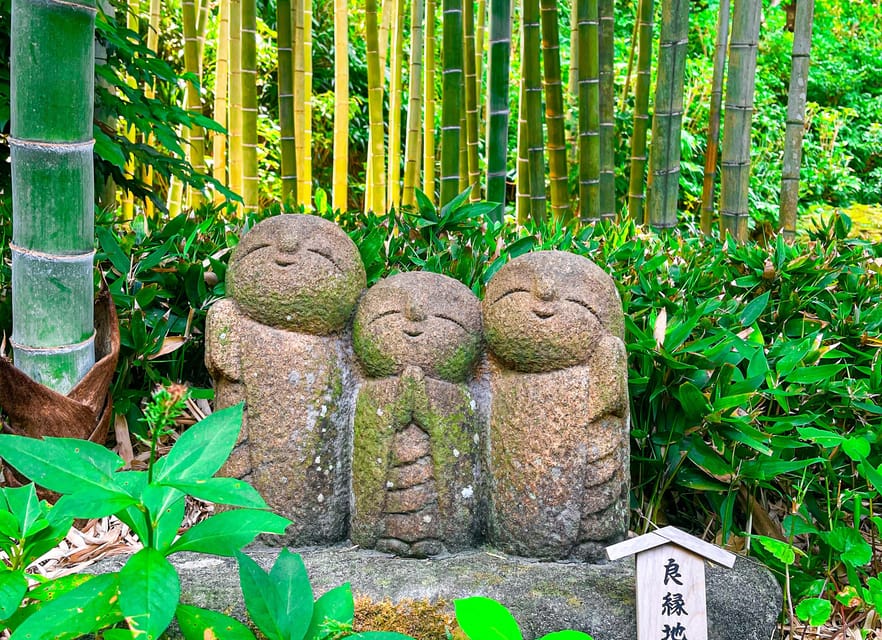
I would recommend it to you if you:
- Want Kamakura explained in Spanish
- Prefer a planned day over arranging several trains and temple visits yourself
- Enjoy history, legends, Buddhist temples, and local religious sites
- Are happy using public transportation
- Want time for both cultural sights and shopping
- Need ideas for the rest of your Japan itinerary
Families may find the tour workable, especially with a guide who can adjust the pace. Nerea’s handling of children is a good sign, though the eight-hour length may still be tiring for younger children.
I would hesitate if you use a wheelchair, since the experience is specifically not suitable for wheelchair users. It is also not suitable for people with hearing impairments, and you cannot bring luggage or large bags.
This is not the right choice if your priority is a private car, a luxury day out, or complete control over how long you spend at each temple. It is a better match for you if you want structure, Spanish explanations, and a practical introduction to Kamakura.
Should you book this Spanish-language Kamakura tour?
Book it if you want an organized cultural day with a Spanish-speaking guide, a historic tram ride, Hase-dera’s legends, Kotoku-in’s huge bronze Buddha, and time for lunch and shopping. The most praised part is the guiding, particularly the patience, warmth, history explanations, and practical advice offered by guides such as Nerea, Paula, Ori, Camila, Nikita, and Emi.
Before paying, add ¥2,300 for transport and ¥700 for temple tickets to your budget. Confirm that the guiding will be in Spanish if that is essential, and arrive at the Tokyo Station meeting point without large bags.
For you, the decision comes down to structure and language. If those matter, the $86 fee can be worthwhile. If you are comfortable navigating Japanese trains and temples alone, you may prefer to arrange Kamakura independently and spend longer wherever you like.
FAQ
Where does the tour begin?
The meeting point is in front of Tokyo Station’s facade at Marunouchi Square, near the central exit.
Where does the tour end?
The activity ends back at the original meeting point at Tokyo Station.
How long is the excursion?
The excursion lasts eight hours.
What language is the tour offered in?
The tour language is Spanish. One reported experience also included some English, so confirm the language arrangement if Spanish-only guiding is important to you.
Is transportation included in the price?
No. Transportation costs about ¥2,300 and are paid separately. Public transportation is used for the excursion.
Are temple entrance tickets included?
No. Temple tickets cost ¥700 and are not included.
Is lunch included?
No. Food and drinks are not included.
Which temples are visited?
The itinerary includes Hase-dera Temple and Kotoku-in Temple. Kotoku-in houses a bronze Buddha measuring about 13 meters and weighing 121 tons.
Can I bring luggage or a large bag?
No. Luggage and large bags are not allowed on the activity.
Is the tour suitable for wheelchair users?
No. The experience is listed as unsuitable for wheelchair users and people with hearing impairments.
Just written up around Tokyo
- Tokyo Private Day Trip With English Speaking Driver★ 4.9 · 34 reviews
- Tokyo → Nikko:Private Customizable Day Trip (English Driver)★ 4.9 · 26 reviews
- Tokyo: Mount Fuji and Hakone Private Sightseeing Day Tour★ 4.9 · 76 reviews
- From Tokyo:Mount Fuji&Hakone Customize Full Day Private Tour★ 4.8 · 27 reviews
- Tokyo: Onsen, Arts, and Nature Day Trip to Fuji and Hakone★ 5.0 · 66 reviews
- Tokyo: A Half-Day Trip Bus Tour in the Morning★ 4.6 · 236 reviews
- Tokyo: Nikko World Heritage Private Day Trip Hotel Pick-up★ 4.8 · 145 reviews
- Tokyo: Mt. Fuji 5th St, Gotemba & Hakone by Luxury Bus★ 4.5 · 84 reviews
Day Trips from Tokyo, side by side.
Mt. Fuji, Kamakura, Big Buddha, & Lake Ashi Day Trip
Read our review →
Tokyo Private Day Trip – Enjoy Your First-Time Visit to Tokyo!
Read our review →
Mt. Fuji Day Trip from Tokyo with English Speaking Driver Guide
Read our review →
Lists this day trip turns up in