
Review · DAY TRIPS FROM MOROCCO
From Málaga: Morocco Day Trip with Tour Guide and Lunch
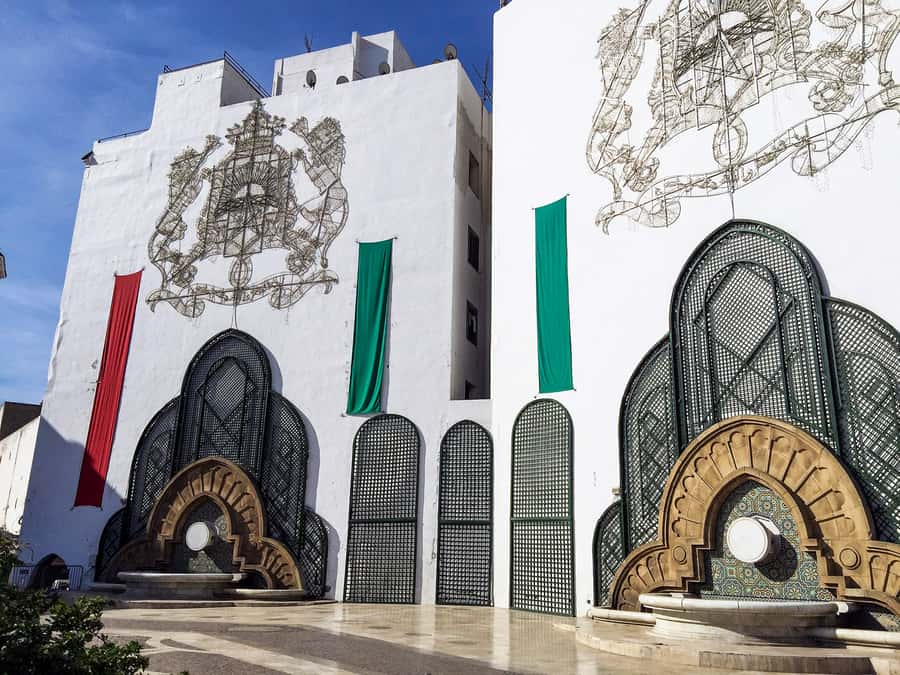
The best thing about this trip is the sharp change of scene. In one long day, you leave the Costa del Sol, cross the Strait of Gibraltar, and walk into Tetouan’s white-walled medina, where green doors, narrow lanes, craft shops, Arabic pastries, and the calls of the souk replace the polished feel of southern Spain. I especially like the ferry crossing and the chance to see Tetouan with a local guide rather than trying to manage the border and medina alone.
I also like the practical package: return ferry tickets, transport from selected Costa del Sol pickup points, a local guide, and a Moroccan lunch with live music are included. Guides such as Alex, Abdul, Aziz, and Sarah have been praised for keeping groups together and explaining the history and customs. The catch is clear: this is a very long day, with border delays, a late lunch, plenty of walking, and sales stops that may feel more commercial than cultural.
Key points to know before booking
- Tetouan’s UNESCO-listed medina gives you the most memorable part of the day, with white walls, green doors, craft workshops, and the old Jewish quarter.
- The ferry takes about one hour each way, but the border crossing can add a great deal of time to the schedule.
- Lunch includes couscous, Arabic pastries, and live music, though you should carry snacks because portions may feel light.
- The guide team handles a complicated day, with Spanish and English commentary, local transport, and group movement across the border.
- The herbalist and shopping stops include sales pitches, especially for argan oil, cosmetics, rugs, and souvenirs.
- A passport is mandatory, and national identity cards are not accepted for entry to Morocco.
Why this Morocco day trip works from Málaga
This is not a relaxed day out. It is a quick introduction to another country and continent, built around a long transfer from the Costa del Sol to Algeciras, a ferry to Ceuta, a road journey into Morocco, and the return trip. The advertised duration is 14 to 18 hours, but the total day can stretch longer when the border or ferry timetable slows things down.
That said, the route makes sense if you are based in Málaga, Torremolinos, Benalmádena, Fuengirola, Marbella, or nearby areas. You do not need to arrange a separate ferry, hire a car, find a Moroccan guide, or work out how to reach Tetouan from Ceuta. For $165 per person, the price covers the major moving parts and lunch, making it reasonable for a first taste of Morocco.
I would choose this trip for access and convenience, not for free time. You are paying to see a lot in a single day, with someone else managing the awkward bits. If you have several days available, Morocco deserves more time. If you have only one open day and want to add Morocco to a Spanish holiday, this outing gives you a useful first look.
More Day Trips with Lunch in Morocco:
- Ourika Valley Day Trip from Marrakech with Guide & Lunch
★ 4.9 · 2,065 reviews - From Tarifa: Tangier Full-Day Trip with Lunch
★ 3.8 · 776 reviews - From Tarifa: Tangier Day Trip with Lunch and Ferry
★ 4.3 · 631 reviews
Early pickup and the road to Algeciras
Pickup points are spread across the Costa del Sol. They include several locations around Fuengirola and Torremolinos, Puerto Marina, a tourist office near Bajondillo and Playamar, and other listed stops. Check the exact point attached to your booking, since it can vary by option.
The bus ride to Algeciras is part transfer and part introduction. The guide talks about Morocco, shares anecdotes, and explains some of the day’s practical details. This is where guides such as Alex have earned strong praise for organizing the group and preparing people for the crossing.
Expect an early start. One account describes leaving accommodation around 4 a.m. and returning close to 1 a.m., while another left Marbella at 8 a.m. and arrived back around midnight. The exact timing depends on your pickup, ferry schedule, and border conditions. Do not plan anything important for the evening.
Bring water and snacks for the road. Lunch comes later, and the ferry and border process can make meal and bathroom breaks less predictable than you expect.
The one-hour ferry across the Strait
At Algeciras, the group boards an express ferry to Ceuta. The sailing takes about 60 minutes, giving you a chance to sit down, rest, and look across the Strait of Gibraltar. The crossing is one of the most enjoyable parts of the day because it makes the change of place feel real. You are not simply driving to another town. You are crossing water between Europe and North Africa.
The ferry schedule is outside the tour company’s control. Delays can affect the rest of the day, so keep your plans flexible. The same applies to the border between Ceuta and Morocco. It may be slow, and no guide can promise a fixed crossing time.
Once you arrive in Ceuta, you take a panoramic bus tour. The route passes the Royal Walls and the Moat of San Felipe before continuing toward the Moroccan border and Tetouan. The Ceuta section is brief, but it gives you a sense of the unusual geography and history of this Spanish city on the North African coast.
From Ceuta to Tetouan by road
The drive from Ceuta to Tetouan takes about half an hour under normal conditions, listed separately from the longer 45-minute coach sections in the day’s transport schedule. This is when the local guide becomes especially useful. The group needs to stay together, manage the border, and keep moving toward the city.
The guides work in Spanish and English. If the group is large, hearing every word can be difficult, especially when the guide has to repeat information in both languages. Stay near the guide during walking sections and do not wander off for a photograph or shop window. Guides such as Abdul and Aziz have been praised for keeping groups together through busy areas and complicated transfers.
Safety is another reason this format can make sense. You are not left to negotiate the border, find the medina, or handle the souk alone. The guide helps you move through a place that may feel unfamiliar, while still giving you a direct look at daily life.
More Guided Days Out in Morocco:
- Marrakech: Ouzoud Waterfalls Guided Day Trip with Boat Ride
★ 4.4 · 4,995 reviews - From Marrakech: Ouarzazate & Ait Benhaddou Guided Day Trip
★ 4.9 · 3,829 reviews - From Tangier: Chefchaouen Day Trip with Local Guide
★ 4.8 · 3,287 reviews - From Taghazout or Agadir: Marrakech Guided Day Trip
★ 4.3 · 1,096 reviews
Tetouan’s palace square and old quarters
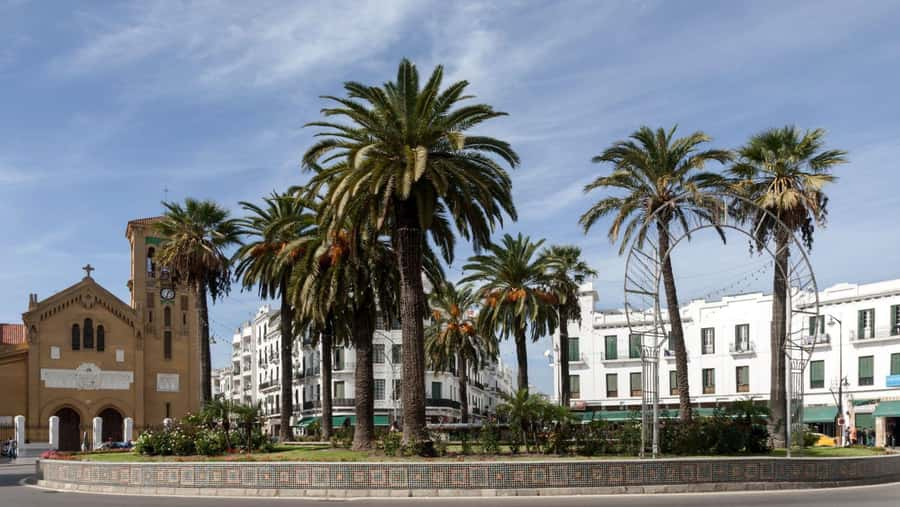
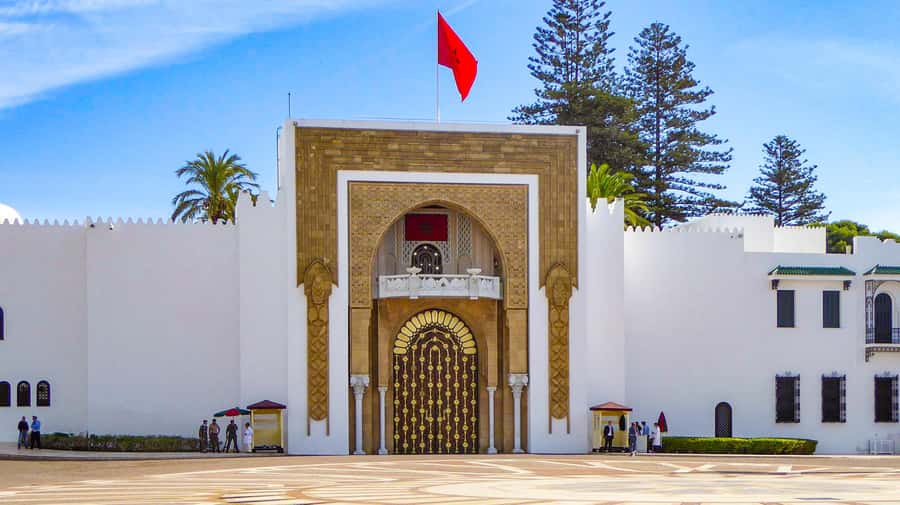
The guided walk begins around Hassan II Square. You see the outside of the Royal Palace, also called the Khalifa Palace in the tour description, along with the Archaeological Museum and the Center of Modern Art. Entrance tickets are not included, so the stops are primarily exterior visits unless the schedule or guide indicates otherwise.
The palace square is a useful starting point because it helps you understand Tetouan as more than a shopping stop. The city has royal, archaeological, artistic, Jewish, and Islamic layers, all close together. The guide’s explanation adds the context that can be hard to pick up while walking through unfamiliar streets.
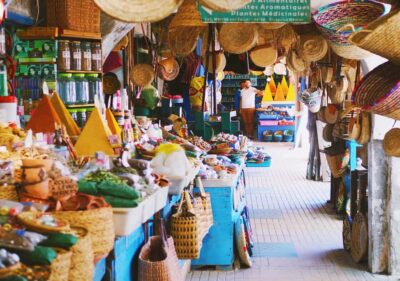
From there, the route continues into the old Jewish quarter, or Mellah. You pass the Bengualid synagogue and then continue toward the souk. This part of the walk is one of the strongest reasons to book the tour. You see more than the polished front of a tourist city. You get narrow streets, small workshops, traditional goods, and the constant movement of local commerce.
Expect sales pressure. The market culture includes approaching passersby, and shopping is built into the day. A guide can make the experience easier, but you still need to be comfortable saying no. Keep your belongings close and take your time before buying anything.
Walking through the medina
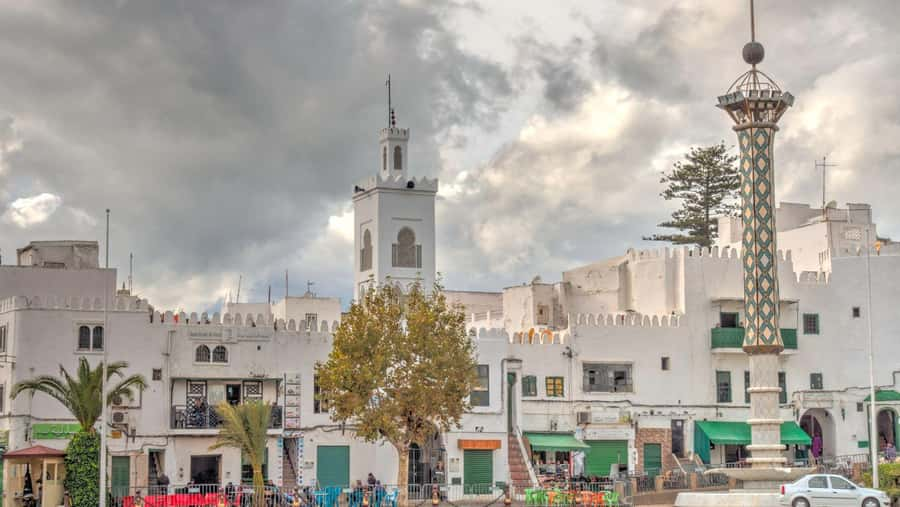
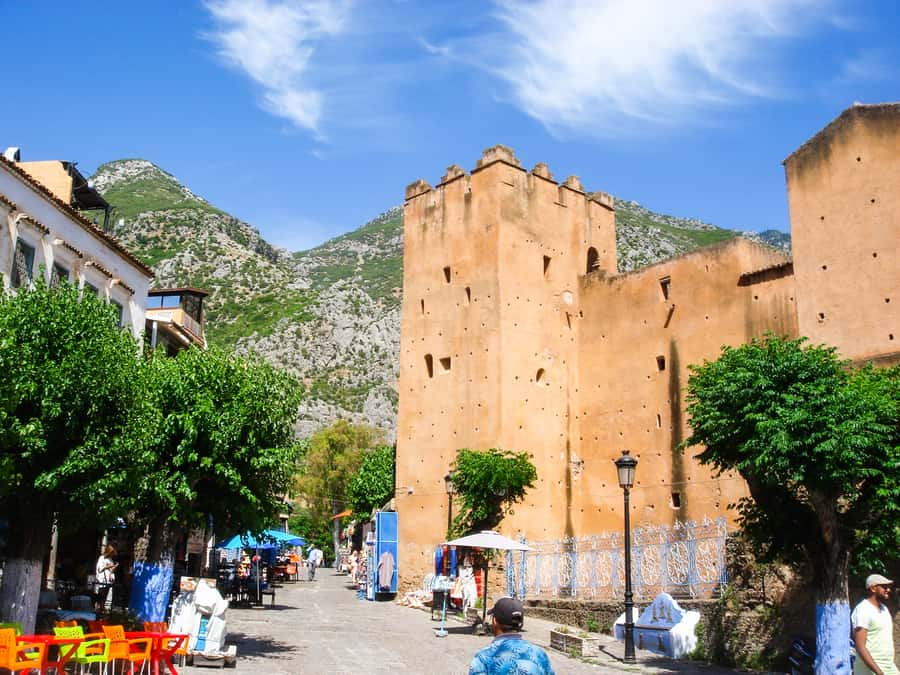
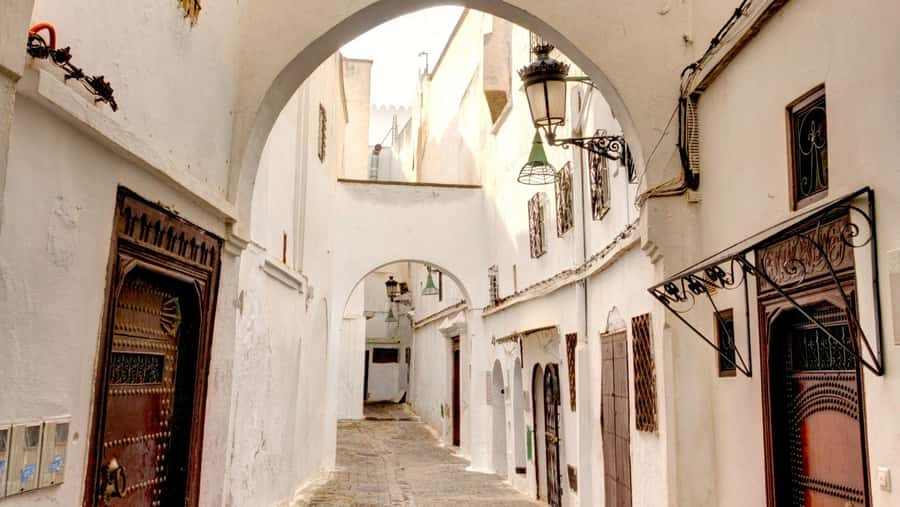
Tetouan’s medina is the heart of the outing. Its white walls and green doors give the old city a clear visual identity, and the narrow lanes make the place feel far removed from the Costa del Sol. The medina is a UNESCO World Heritage Site, but the value is not only architectural. You also see artisans at work and get a sense of how the old center functions as part of the city rather than as a museum set.
Wear closed-toe shoes. The walking is extensive, and some streets are narrow and uneven. The tour is not suitable for people with mobility impairments or children under 10, and the long day may be tiring even for fit adults.
The size of the group matters here. A larger group is easier to organize at the border, but it can be harder to hear the guide in the medina. Stay within sight of the guide and listen for meeting instructions. The team may include a Spanish-based guide such as Alex or Sarah and a Moroccan guide such as Abdul or Aziz, though the exact staff can vary.
Lunch with couscous and live music
Lunch takes place in a typical Moroccan restaurant. The meal includes couscous and Arabic pastries, with live music during the meal. This is a welcome pause after the morning’s walking and border formalities, and it gives you a chance to sit with the group and try familiar Moroccan staples in a traditional setting.
Drinks are not included. Carry some cash for beverages and small tips. Also bring a snack for the day. Lunch is served relatively late because of the long route, and portions may not satisfy every appetite.
Treat the meal as part of the cultural program rather than a long restaurant visit. The live music adds atmosphere, but the schedule still has to fit in shopping, the herbalist stop, the return drive, the border, and the ferry. If you prefer to eat slowly and linger, this format may feel rushed.
The herbalist and shopping stops
After lunch, the group visits shopping areas and a Moroccan herbalist. The herbalist demonstrates natural products and explains the uses of argan oil and other remedies. This can be interesting if you want to learn how local products are presented and used, but it is also a sales stop.
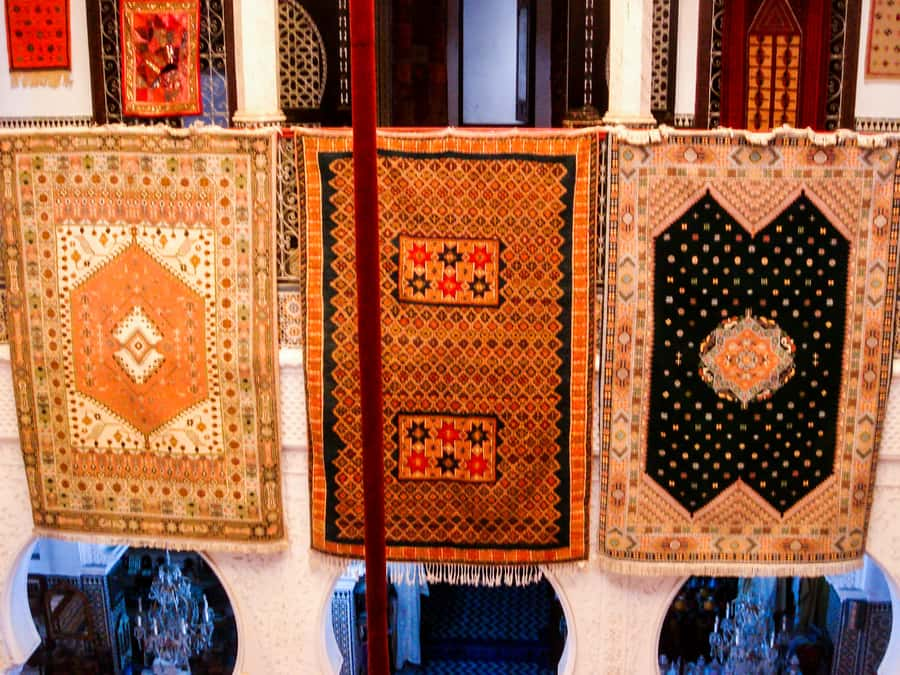
The same applies to cosmetic and rug shops. You may find attractive souvenirs, but expect a clear pitch. I would enjoy the demonstrations, ask questions, and buy only what you genuinely want. Do not feel obliged to purchase because the visit is included in the route.
Bring small amounts of cash for souvenirs and tips. Euros are accepted according to the practical advice provided for this trip, but small denominations are easier. Avoid carrying more money than you need for the day.
During Ramadan, from March 23 to April 21 according to the supplied schedule, some shops may be closed. The main sightseeing stops continue as planned, but the shopping part may feel different. Check the dates before booking if visiting during that period matters to you.
The return journey and the real time cost
At the appointed time, you meet the guide and return to Ceuta by coach. You then take the ferry back to Algeciras and continue to your original pickup area. The listed return coach segment is about 45 minutes, followed by the one-hour ferry, but the border can add much more.
This is the part that tests your patience. The border crossing is unpredictable, and the tour provider cannot control the waiting time. Ferry timetables can also change. Build your expectations around a full day and keep the next morning free if possible.
Use bathroom breaks when the guide offers them. Carry tissues, as facilities may not always have the supplies you expect. A small day bag, water, snacks, passport, and comfortable shoes will make the long return much easier.
What the $165 price really covers
The $165 cost is fair if you value structure and transport. It includes pickup at a selected meeting point, return ferry travel between Algeciras and Ceuta, transport from Ceuta to Tetouan, local guiding, a guided city walk, and a Moroccan lunch with live music.
The price does not include drinks or entrance tickets. The main sights appear to be visited from the outside, so this is not a museum-heavy tour. You are paying mainly for ferry access, transport, coordination, guiding, and the ability to see Tetouan without arranging the route yourself.
A private trip could offer more flexibility, but it would also require more planning and likely cost more. This group tour gives you safety in numbers and a guide who knows how to move the group through the crossing and city. The tradeoff is less independence, set shopping stops, and limited time in each place.
Who should book this day trip?
I would recommend it to you if you:
- Are staying on the Costa del Sol and want a one-day introduction to Morocco.
- Like having transport and border logistics handled for you.
- Want a guided walk through Tetouan rather than an unplanned shopping visit.
- Can manage a long day with substantial walking and uncertain waiting time.
- Are comfortable with market sellers and organized shopping stops.
- Have a passport and meet Morocco’s entry requirements.
I would be cautious if you dislike early starts, group travel, sales presentations, or long periods on buses and ferries. This is also not a good fit for anyone with mobility limitations, or for children under 10.
Cancellation is available up to 24 hours before departure for a full refund, and you can reserve now and pay later. Those policies help if your Spanish itinerary is still taking shape, but they do not change the basic nature of the excursion: it is a demanding day built around access to Tetouan.
Should you book the Tetouan trip?
Book it if your goal is to set foot in Morocco and get a real taste of Tetouan in one day. The medina, Mellah, souk, palace square, ferry crossing, and local lunch make the day feel substantial rather than symbolic. Guides such as Alex, Abdul, Aziz, and Sarah add useful structure to a complicated route.
Skip it if you want a slow Moroccan holiday. You will not have time to explore Tetouan at your own pace, and border delays may turn the advertised 14 to 18 hours into an even longer outing.
For the right person, the inconvenience is part of the bargain. Pack snacks, wear good shoes, carry your passport and small cash, and keep your evening free. Then the day can give you a memorable first glimpse of Morocco without asking you to organize the difficult parts yourself.
FAQ
How long does the Morocco day trip from Málaga take?
The advertised duration is 14 to 18 hours. Border delays and ferry timetable changes can make the day longer, so keep your evening and the following morning flexible.
Is a passport required for this tour?
Yes. Every traveler must carry a passport to enter Morocco. National identity cards are not valid for this crossing. You are responsible for checking visa requirements for your nationality.
What languages are available on the tour?
Live guiding is available in Spanish and English. The exact guide team can vary, and large groups may make it harder to hear every explanation.
Is lunch included?
Yes. A typical Moroccan lunch with live music is included. The meal features couscous and Arabic pastries. Drinks are not included.
What should I bring?
Bring your passport, a long-sleeved shirt, closed-toe shoes, water, snacks, tissues, and small amounts of cash for drinks, tips, and shopping.
Is the tour suitable for children or people with mobility impairments?
The activity is not suitable for children under 10 or people with mobility impairments. It also involves a long day, several transport stages, and substantial walking in Tetouan.
Just written up around Morocco
- Day Trips from Agadir to Marrakech with Amazing guide★ 4.5 · 26 reviews
- Agadir guided city tour half-day trip★ 4.5 · 23 reviews
- Day trip from Agadir to Massa in 4X4★ 5.0 · 31 reviews
- Agadir Day Trip To Legzira & Tiznit★ 3.5 · 20 reviews
- 4WD Agadir Day Trip to Massa★ 5.0 · 39 reviews
- From Taghazout/Agadir: Taroudant and Tiout Day Trip & Tajine★ 4.2 · 87 reviews
- Tangier: Guided Day Trip to Chefchaouen★ 4.3 · 35 reviews
- From Seville: Tangier Day Trip with Local Guide and Lunch★ 4.4 · 350 reviews
Day Trips from Morocco, side by side.

Ouzoud Waterfalls Guided Day Trip with Boat Ride
Read our review →


Lists this day trip turns up in