
Review · DAY TRIPS FROM MALAYSIA
From Kuala Lumpur: Kuala Gandah Elephant Sanctuary Day Trip
The best part of this day is the chance to see rescued Malaysian elephants at Kuala Gandah, where the focus is on rehabilitation rather than a staged animal show. You may feed baby elephants, watch a translocation film, and possibly join a riverside bathing session. Rama, Sasi, and Steven are among the drivers praised for being kind, punctual, and helpful.
I like the useful mix of wildlife and landmarks: Deerland Park gives you a close look at deer and other small animals, while Batu Caves adds one of Kuala Lumpur’s most famous sights. I also like that transport, entry tickets, a simple lunch, and an English-speaking driver guide are included in the $57 price.
The main caution is time. The sanctuary is a long way from Kuala Lumpur, and some departures allow only about an hour with the elephants. Batu Caves is a short photo stop, and bathing costs extra, so this is best viewed as a broad day trip rather than a long, leisurely elephant encounter.
Key points to know before you book
- Elephant bathing is optional and costs extra: Reserve it at the sanctuary, then pay RM40 per adult or RM20 per child directly.
- Animal contact is not guaranteed: Baby elephant visits, feeding, shows, and bathing depend on health, weather, and river conditions.
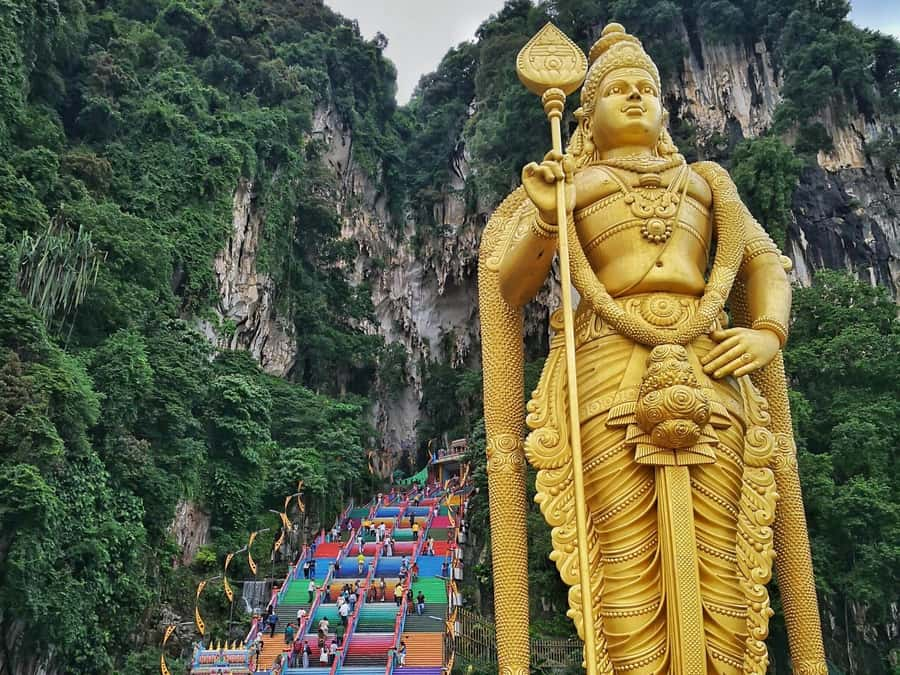
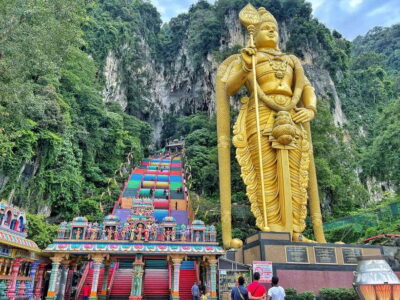
- Batu Caves is only a 30-minute photo stop: You will see the colorful steps and Lord Murugan statue, but you will not have time for a full visit.
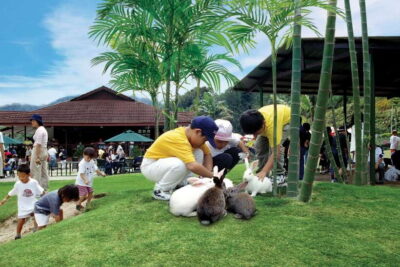
- Deerland Park adds variety: You can meet deer, rabbits, peacocks, and possibly handle or feed animals during the visit.
- Pickup is limited: Hotel pickup covers selected addresses in Kuala Lumpur’s Golden Triangle, while solo visitors meet at Berjaya Times Square.
- The $57 price is solid for a full day: Transport, admission, lunch, and a driver guide are included, but drinks and some animal-feeding costs are not.
What this Kuala Gandah day trip is really like
This is an eight-hour road trip from Kuala Lumpur into Pahang, built around three very different stops. You begin with a city pickup or meet your driver at Berjaya Times Square, then head toward Batu Caves, Deerland Park, and the Kuala Gandah National Elephant Conservation Centre.
The order can change. One driver, Rama Chandra, wisely moved Batu Caves to the end when the site was crowded, allowing the group to visit the animal parks with less pressure. That flexibility matters because the road journey is long and conditions at each stop can vary.
Your vehicle may be a car, van, or bus, depending on the number of people booked that day. Air-conditioning is included, and several drivers have been praised for clean vehicles, calm driving, and useful explanations without filling every minute with chatter. If you suffer from motion sickness, take precautions before leaving Kuala Lumpur.
Pickup is included only from selected hotels, residences, and suites in the Golden Triangle area, with Pudu excluded. A minimum of two adults is required for hotel pickup, and solo visitors must make their own way to the main entrance of Berjaya Times Square, in front of Starbucks. Final pickup details arrive by email the evening before, after 8 p.m.
More Wildlife Day Trips in the world:
- From Bangkok: Living Green Elephant Sanctuary Day Trip
★ 4.8 · 1,541 reviews - From Zanzibar: Mikumi Safari Day Trip with Flights and Meal
★ 4.7 · 1,470 reviews - From Malaga: Day trip to Gibraltar and Dolphin Boat Tour
★ 4.2 · 1,430 reviews
Batu Caves in a quick 30-minute stop
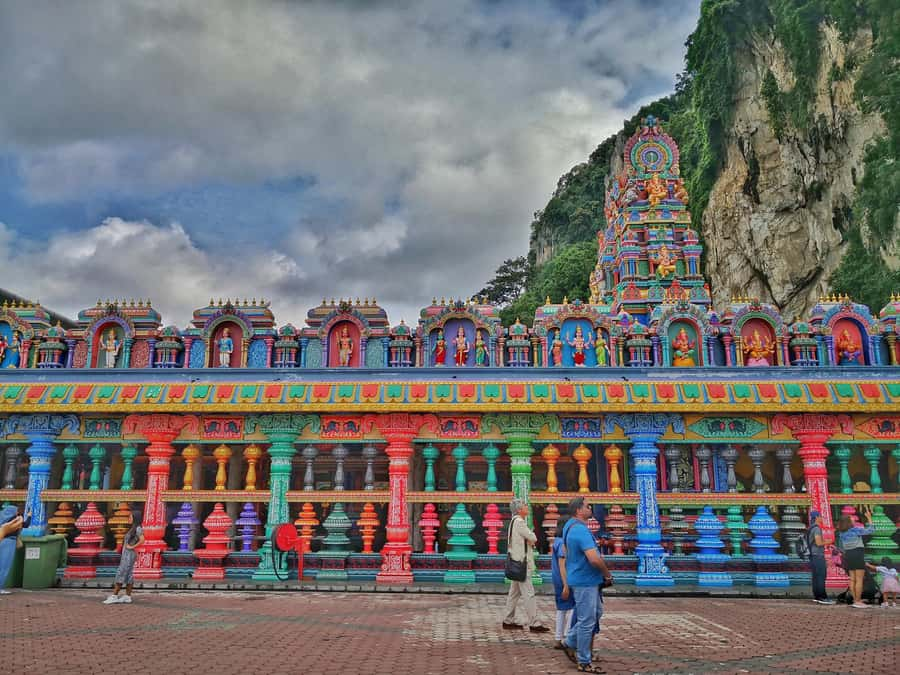
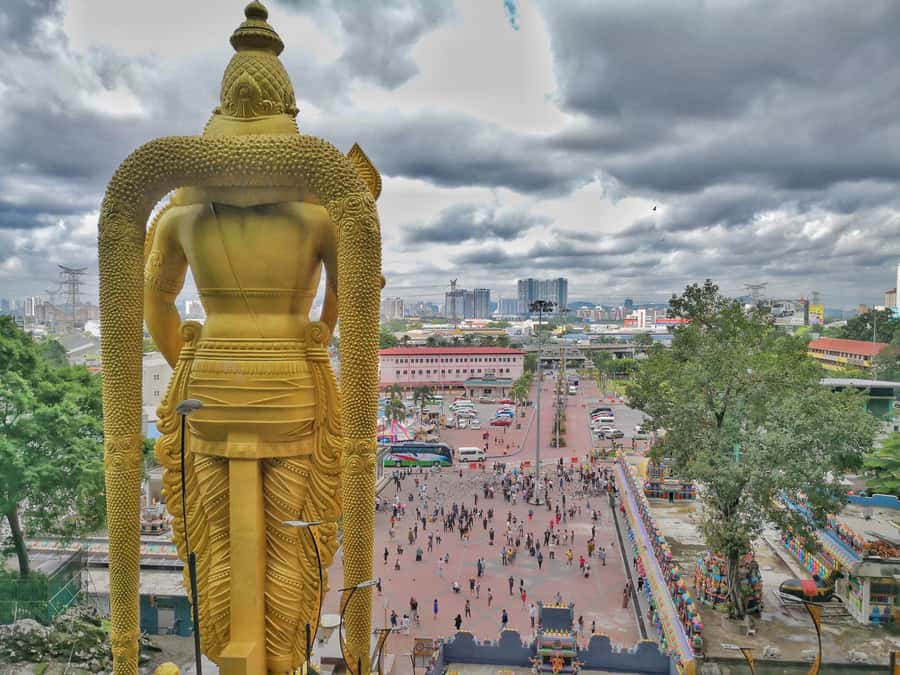
Batu Caves is a dramatic opening or closing act. The towering Lord Murugan statue, bright stairway, and limestone cliff make an excellent first set of photographs. The stop gives you a quick look at one of Malaysia’s best-known Hindu landmarks without requiring a separate half-day visit.
The catch is simple: thirty minutes is not enough for a deep visit. You may have time to climb some or all of the stairs, take photos, and look around, but you will need to keep moving. If you have never seen Batu Caves, the stop is useful and memorable. If you want time for the temple areas, the caves, and a slower look at the site, plan a separate visit.
A late stop can work well. After the wildlife visits, you may prefer a short photo break rather than another long activity. If the group finishes at Batu Caves, it can also be practical for anyone who wants to stay longer, since the site has a train connection back toward central Kuala Lumpur. That arrangement depends on the day’s plan, so confirm it with your driver.
Wear footwear suitable for stairs and keep your belongings close. The tour does not allow luggage or large bags, so bring only what you need for the day.
Feeding deer and meeting animals at Deerland Park
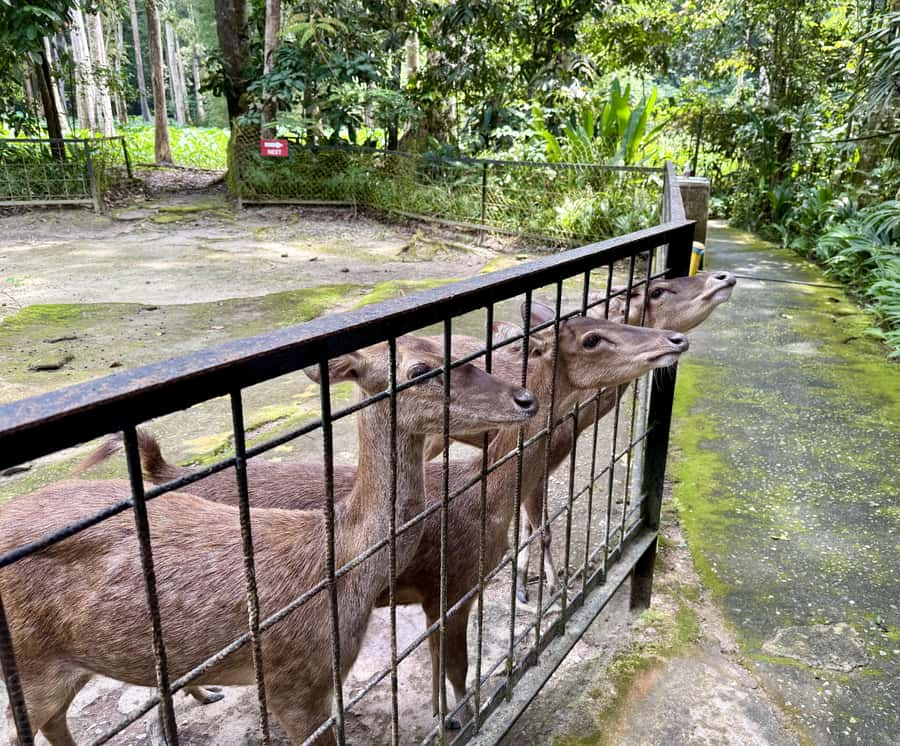
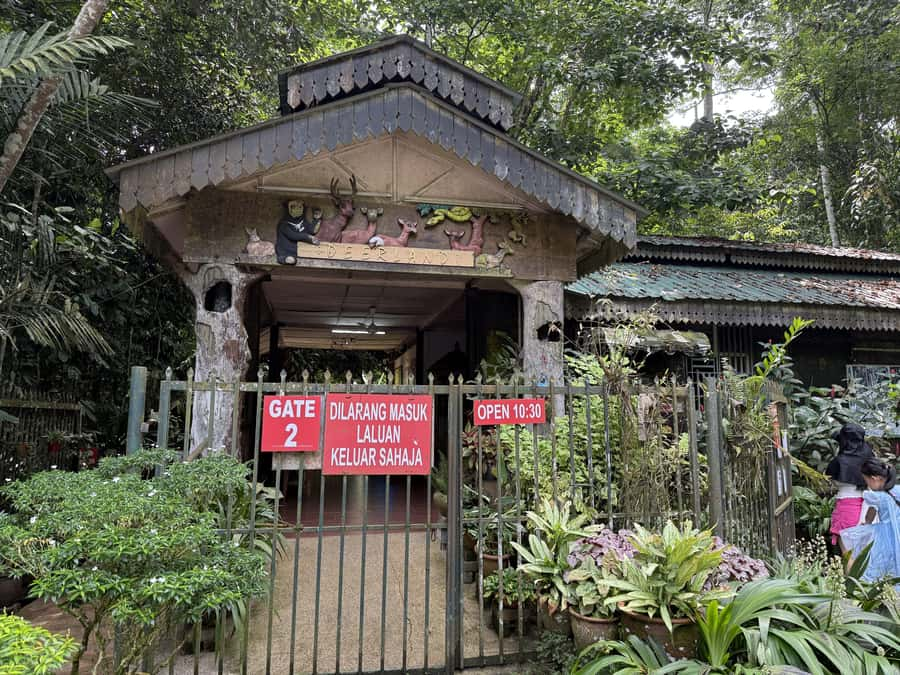
Deerland Park in Lanchang, Pahang, gives the tour a smaller, more informal wildlife stop before the main elephant visit. You can expect deer, rabbits, peacocks, and other animals, with opportunities to get closer than you generally can at a large urban zoo.
The deer are the reason to come. They can be shy, so move slowly and follow the park staff’s instructions. Some departures also offer the chance to handle snakes, adding a bit of excitement for families and animal lovers. The visit is short, but it breaks up the long drive and gives children something to look forward to before the elephant center.
Deerland Park is not polished in the same way as the elephant center. Its facilities are more modest, and you may notice that the park needs more funding and upkeep. That does not make the visit worthless, but it does set the right expectation. You are seeing a small wildlife facility, not a major theme park.
The park is closed every Friday and may close without notice. There is no stated replacement activity or compensation if it is closed, so Friday bookings carry a real risk of losing this part of the itinerary.
Kuala Gandah and the work behind elephant rescue
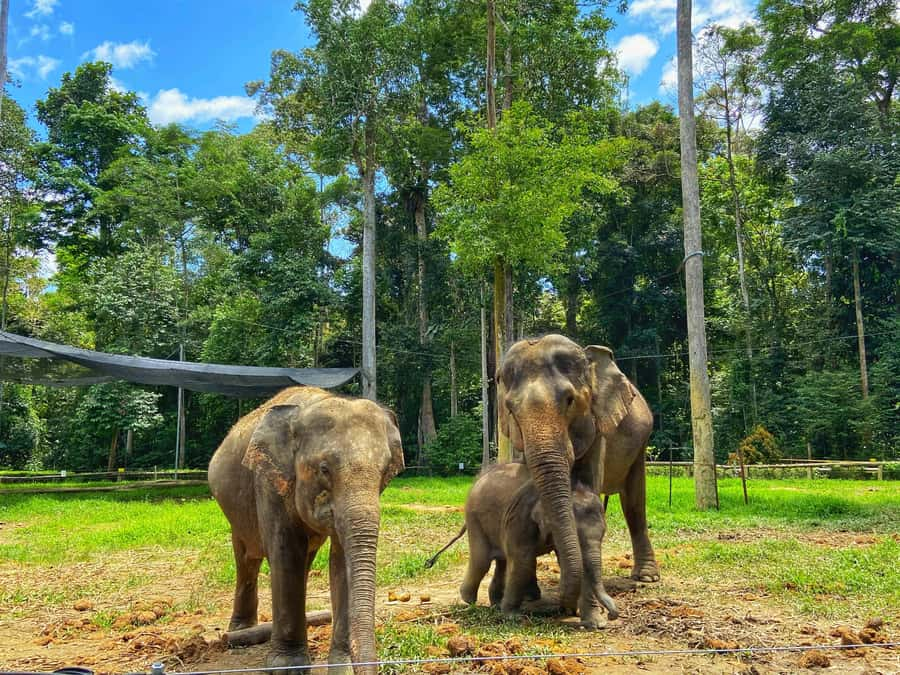
The Kuala Gandah National Elephant Conservation Centre is the heart of the day. It is known for rescuing, rehabilitating, and relocating elephants affected by human development and other pressures. The visit helps you understand that the center is not simply a place to pose beside captive animals.
A translocation video in the auditorium explains the conservation work. You also visit the Electric Fence Observation Area, where you may watch elephants from a managed viewing point. Depending on the day, you may see adult elephants, baby elephants, or both.
The guides at the center explain the animals and the role of their mahouts. They are often the strongest part of the visit because they can add detail that a driver cannot provide on the road. The tone is educational, with attention to elephant care and rescue rather than tricks alone.
You should not expect unrestricted access. You may be able to feed elephants or get close to baby elephants, but you may not be allowed to stand directly beside them for photographs. That limit is sensible: these are powerful animals, and their welfare comes before a perfect picture.
The quality of the encounter depends heavily on timing. One departure offered only about an hour at the sanctuary, which felt short for the main purpose of the trip. Other days may allow a fuller sequence of the film, observation area, feeding, stage presentation, and riverside activity. The itinerary may be rearranged to meet operating needs.
More Day Trips in the world:
- Tuscany Day Trip from Florence: Siena, San Gimignano, Pisa and Lunch at a Winery
★ 5.0 · 21,634 reviews - From Amsterdam: Zaanse Schans, Volendam & Marken Day Trip
★ 4.4 · 18,501 reviews - From Munich: Neuschwanstein & Linderhof Castle Full-Day Trip
★ 4.6 · 14,646 reviews - Lisbon: Pena Palace, Sintra, Cabo da Roca, & Cascais Daytrip
★ 4.7 · 9,981 reviews
Feeding and bathing elephants: what costs extra
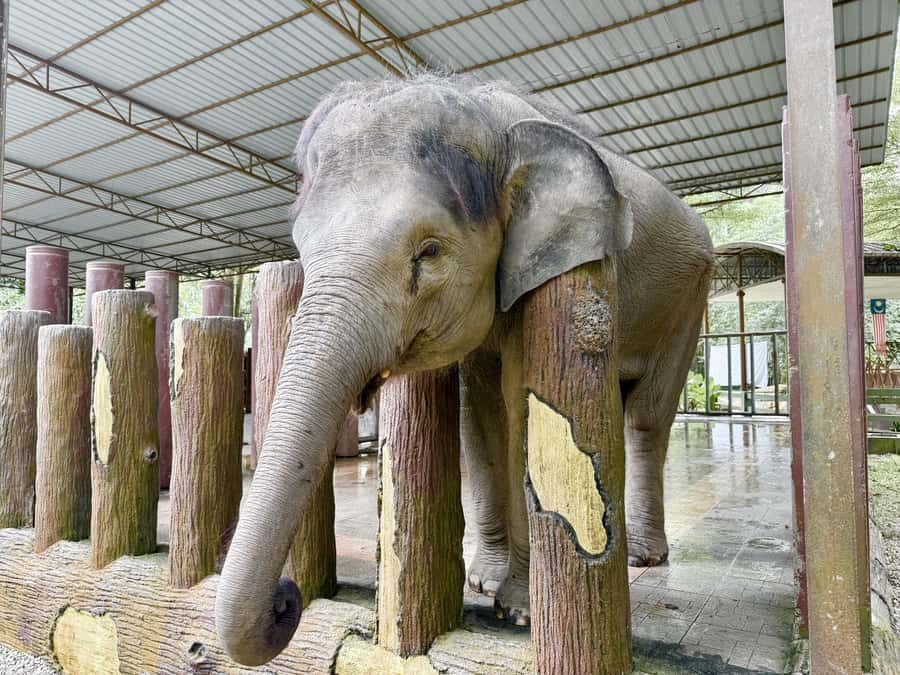
Feeding is one of the most appealing parts of the visit, especially when baby elephants are active and healthy. You may have the chance to offer food and watch the animals move, play, or interact with their handlers. The exact level of contact is decided on the day.
Some feeding options require separate purchases. A useful tip is to buy food once and see how much it provides before buying more. You may be offered several chances to feed elephants in different sections, but you do not necessarily need to pay repeatedly.
Bathing is a separate option. It must be reserved directly when you arrive, costs RM40 per adult or RM20 per child, and is not included in the tour price. It also depends on river water levels and weather. Heavy rain or a high river can cancel the session without notice.
If you do bathe a baby elephant, expect to get wet and dirty. Bring a towel, soap, and a fresh change of clothes. Do not choose this add-on if you need to stay dry for the ride home or have no way to change.
The bathing session is a genuine bonus, not something you should treat as guaranteed. Elephant contact can be reduced or canceled if an animal is unwell, tired, or otherwise not suited to interaction. That uncertainty may disappoint anyone buying the trip mainly for a hands-on encounter, but it is also the proper way to put animal welfare first.
The stage presentation and riverside setting
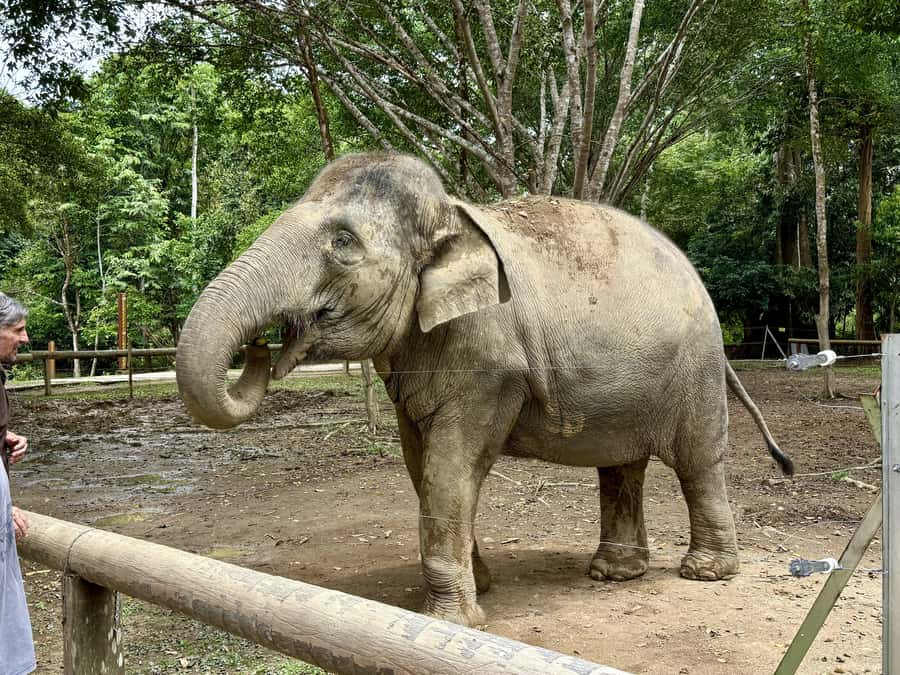
The sanctuary’s activities may include an educational show with elephants and their mahouts at the stage area. The presentation helps explain how the animals are handled and cared for, though the schedule can change.
You may also spend time by the river watching or joining an elephant bathing session. Water levels control what is possible. During heavy rain, the river activity may stop, and other parts of the visit may be shortened or rearranged.
These conditions mean you should keep your expectations flexible. The center is not a guaranteed series of performances running to a fixed timetable. It is a working conservation facility, and the animals set some of the rules.
Lunch, transport, and what the $57 covers
The $57 fare offers good value if you want several attractions in one day. Included are transportation in an air-conditioned vehicle, an English-speaking driver guide, entrance tickets, and a simple lunch. You avoid arranging separate taxis or paying individual admission fees at the caves, Deerland Park, and elephant center.
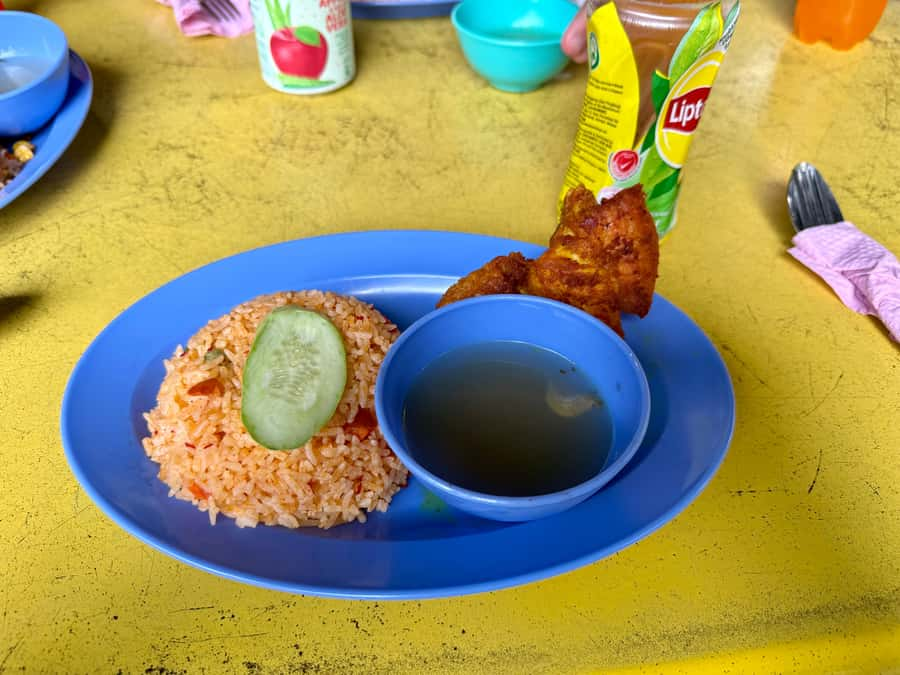
Lunch is basic rather than a destination meal, but it serves its purpose during a full day on the road. Drinks are not included, so carry money for beverages. Personal expenses, Wi-Fi in the vehicle, and alcoholic drinks are also excluded.
The long drive is the price of reaching Kuala Gandah from Kuala Lumpur. You should expect a good amount of road time, especially if traffic is heavy. The clean vehicle and air-conditioning make a large difference, and drivers such as Sasi, Steven, Charles, Charlie, and Rama have been singled out for friendly service and clear explanations.
The trip is not designed for wheelchair users. Pets, large bags, smoking, alcohol, drugs, and food or drinks in the vehicle are not allowed.
Who will enjoy this tour most
I would choose this trip for families who want a full day outside Kuala Lumpur without planning several transfers. Children usually respond well to the mix of deer, rabbits, peacocks, and elephants, while the Batu Caves stop gives adults a major cultural landmark.
It also suits first-time visitors who want a broad introduction to the area. You get wildlife, conservation, Hindu architecture, a meal, and transport in one package.
I would think twice if your main goal is a long elephant bathing session or a slow visit to Batu Caves. The sanctuary may be brief, contact may be limited, and the caves receive only a short stop. A private trip with more time at one site would be better for a highly focused visit, though this shared day trip costs less and covers more ground.
Solo visitors should also note the meeting-point rule. You can book, but you must reach Berjaya Times Square Main Entrance yourself rather than rely on hotel pickup.
Practical tips for a smoother day
- Carry cash for elephant food, the bathing fee, and drinks. Extra payments may need to be made at the sanctuary.
- Bring a towel and spare clothes if you hope to bathe an elephant.
- Wear comfortable shoes for the Batu Caves stairs and outdoor areas.
- Leave large bags and luggage behind.
- Take motion-sickness medication if long road journeys affect you.
- Keep your schedule flexible because weather, river levels, animal health, and park closures can change the plan.
- Avoid booking Deerland Park on Friday if that stop matters to you.
- Check your email for the final pickup time and driver details after 8 p.m. the evening before.
- Ask your driver how much time is planned at the sanctuary. This helps you understand whether bathing or feeding will fit.
Should you book this elephant sanctuary day trip?
Book it if you want a convenient, fairly priced day from Kuala Lumpur that combines a real conservation center with smaller animal encounters and a quick Batu Caves visit. The $57 price is strong because transport, tickets, lunch, and a driver guide are included.
Go in expecting an educational wildlife visit, not a guaranteed photo session with elephants. If you accept the long drive, short Batu Caves stop, possible extra feeding costs, and weather-based changes, the day can be rewarding and well organized. If you need hours of hands-on elephant contact, choose a tour built around the sanctuary alone.
FAQ
How long is the Kuala Gandah Elephant Sanctuary day trip?
The activity lasts about eight hours, including transport from Kuala Lumpur and visits to Batu Caves, Deerland Park, and the elephant conservation center.
What is included in the $57 price?
The price includes an English-speaking driver guide, air-conditioned transportation, entrance fees and tickets, and a simple lunch. Selected hotel pickup is included when that option is chosen.
Is elephant bathing included?
No. Bathing must be reserved directly at the sanctuary and costs RM40 per adult or RM20 per child. The session depends on availability, weather, and river water levels.
Is feeding the elephants included?
The standard tour includes the sanctuary visit, but elephant food and some additional feeding options may cost extra. Bring cash for these purchases.
Can I count on seeing baby elephants?
No. Baby elephant interactions depend on the animals’ health and well-being on the day. All sanctuary activities can change without notice.
Is Batu Caves a full visit?
No. Batu Caves is scheduled as a 30-minute photo stop. You can see the colorful steps, Lord Murugan statue, and limestone setting, but there may not be time for a slow visit.
Where do solo visitors meet the tour?
Solo visitors meet at the main entrance of Berjaya Times Square, in front of Starbucks. Hotel pickup is available only from selected Kuala Lumpur hotels, residences, and suites in the Golden Triangle area, excluding Pudu.
Just written up around the world
- Day Trips from Agadir to Marrakech with Amazing guide★ 4.5 · 26 reviews
- Agadir guided city tour half-day trip★ 4.5 · 23 reviews
- Day trip from Agadir to Massa in 4X4★ 5.0 · 31 reviews
- Day Trip From Addis Ababa See Historical Monastery,Stunning Nature,Animals,Birds★ 5.0 · 303 reviews
- “Discover Hahndorf: Wine, Cheese, Beer, Shops & Lunch Day Trip”★ 5.0 · 38 reviews
- Agadir Day Trip To Legzira & Tiznit★ 3.5 · 20 reviews
- Murray River Day Trip from Adelaide Including Lunch Cruise aboard the Proud Mary★ 4.0 · 105 reviews
- Day trip to Adadi Mariyam and Melka kunture★ 4.5 · 20 reviews
Day Trips from Malaysia, side by side.
Escape to Genting Highlands: Day Tour with Scenic Cable Car Ride
Read our review →
Amazing Taman Negara Day Trip from Kuala Lumpur Including Lunch
Read our review →
City Sights, Batu Caves and Fireflies Day Trip
Read our review →
Lists this day trip turns up in