
Review · DAY TRIPS FROM TURKEY
From Izmir, Kusadasi, & Selcuk: Day Trip to Explore Ephesus
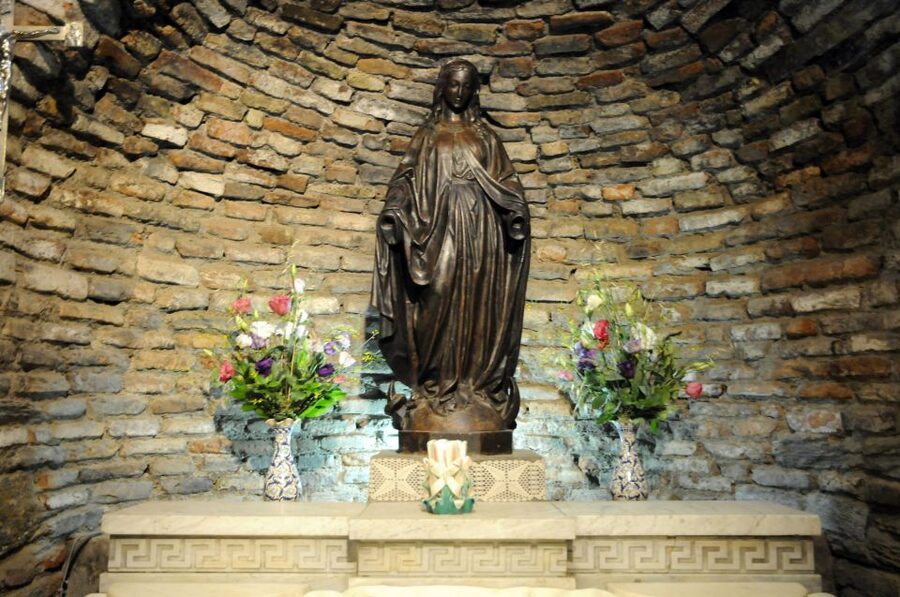
Ephesus gives you the rare thrill of walking through a Roman city instead of merely looking at broken stones behind a rope. You follow marble streets past the Library of Celsus, public baths, a latrine, temples, and the huge Great Theater. I especially like the House of the Virgin Mary and the chance to see the Temple of Artemis, one of the ancient world’s seven wonders.
Hotel pickup, entrance fees, and a local guide make this an easy way to reach the major sights from Izmir, Kusadasi, or Selcuk. The main caution is serious: some itineraries have included long stops at leather and olive oil shops, cutting into sightseeing and delaying lunch. Ask about shopping stops before you commit.
Key points to know before booking
- Ephesus is the main event: Expect marble streets, Hercules Gate, the Library of Celsus, and the Great Theater.
- Three departure bases: Pickup is available from accommodation in Izmir, Kusadasi, or Selcuk.
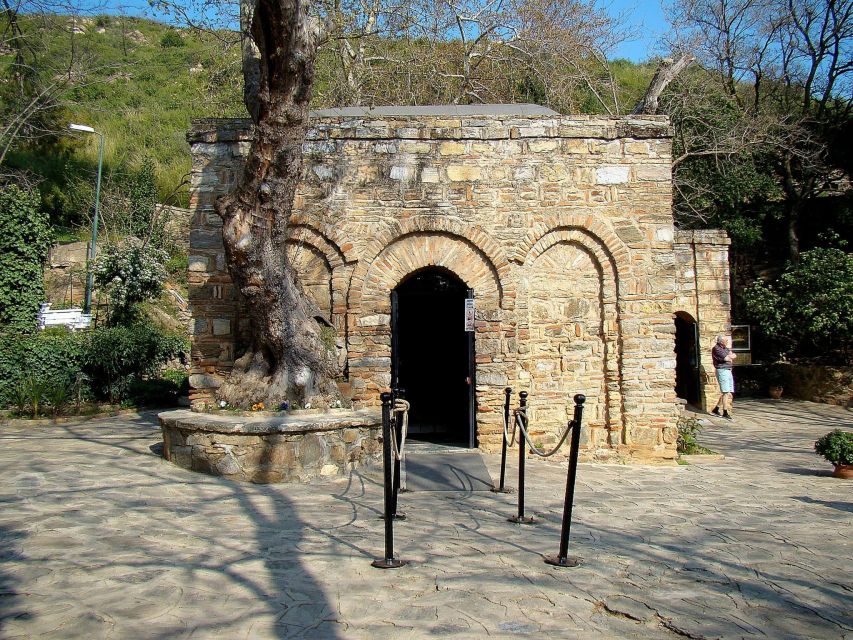
- Religious and ancient sights are combined: The route includes the House of the Virgin Mary and Temple of Artemis.
- Terrace Houses cost extra: Your ticket covers Ephesus, but not the Terrace Houses.
- Shopping stops need clarification: Leather and olive oil visits have taken more than two hours on some days.
- Guide quality can be a bright spot: Elder received specific praise, and tours operate in English or Spanish.
Why Ephesus is worth a full day
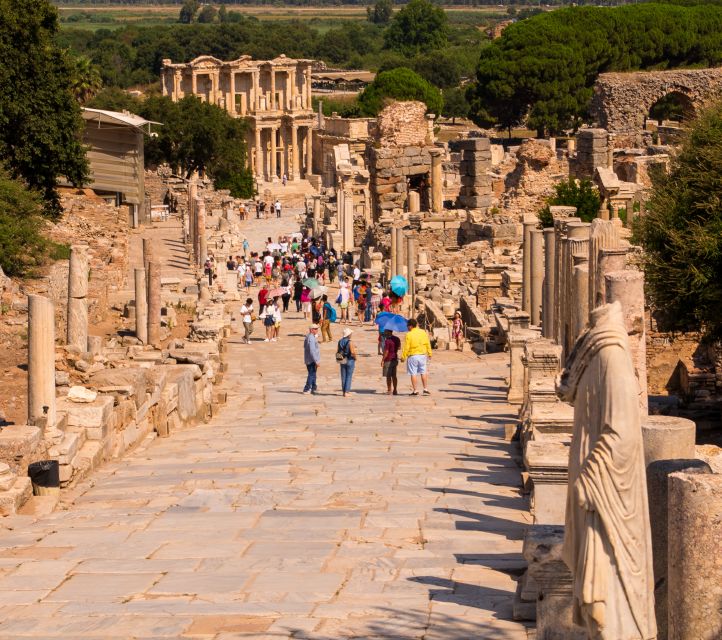
Ephesus is not a quick photo stop. The site gives you a long, open-air walk through the remains of one of the ancient world’s important cities, with enough surviving detail to show how daily life and public power once worked.
You’ll walk along ancient marble streets and pass political buildings, temples, fountains, baths, shops, a brothel, and a public latrine. That mix matters. Ephesus is not just about grand ruins. It also shows the practical machinery of city life.
The trip lasts about eight to ten hours, depending on your departure point, stops, and traffic. From Izmir, the day will feel longer because of the drive. From Kusadasi or Selcuk, you’ll spend less time on the road and more time near the ruins.
Hotel pickup and drop-off are included. That is useful if you are not renting a car or do not want to sort out local transport. Entrance fees to Ephesus, the House of the Virgin Mary, and the Temple of Artemis are also included, which makes the $128 price easier to judge.
Still, the value depends heavily on how the day is managed. A focused visit to Ephesus, plus the two other major sights, can justify the cost. A day padded with sales visits is a different deal.
More Day Trips in Turkey:
- From Antalya/Kemer: Pamukkale & Hierapolis Day Trip w/Meals
★ 4.5 · 2,196 reviews - Rhodes: Marmaris Day Trip by High-Speed Boat
★ 4.1 · 1,236 reviews - From Istanbul: Sapanca and Masukiye Day Trip with Lunch
★ 4.0 · 1,036 reviews
Starting from Izmir, Kusadasi, or Selcuk
You can choose pickup from accommodation in Izmir, Kusadasi, or Selcuk. The exact starting time depends on availability, so check the schedule carefully before booking.
The three departure points create different expectations:
- Izmir: This is the longest-feeling option. You get the convenience of hotel pickup, but the drive takes a larger share of the day.
- Kusadasi: This is a practical base for Ephesus, and the day trip connects easily with the major archaeological sights.
- Selcuk: This is the closest option to the ruins, so it makes sense if you are already staying near Ephesus.
You should bring your passport or identity card. A copy is accepted according to the tour information. Wear shoes suited to walking on uneven ancient streets, although the supplied details do not specify a particular dress code or accessibility arrangement.
The tour includes a live guide in English or Spanish. No group size is given, so ask before booking if the size of your group matters to you.
The House of the Virgin Mary comes first
The House of the Virgin Mary is presented as the place where Mary is thought to have spent her final days. It adds a religious dimension to a day otherwise centered on Roman and Hellenistic remains.
The stop is valuable because it gives the itinerary a different rhythm. Instead of another civic ruin, you visit a site tied to Christian tradition and personal devotion. Your guide explains the connection and the beliefs surrounding the house.
Keep your expectations sensible. This is a religious site connected with tradition, not a chance to see a large preserved ancient residence. The value is in its setting, meaning, and place in the area’s religious story.
Ephesus begins at the Upper Agora
Inside Ephesus, the route heads toward the Upper Agora, once the seat of political power. This helps you read the city as more than a collection of columns.
An agora was a public center, and this upper section connects the physical ruins with government and civic life. Your guide can point out how the public spaces related to the rest of the city.
From there, you reach the second-century A.D. Odeon theater. It was smaller than the Great Theater, and its presence shows that the city had more than one place for public gatherings and performances.
The Odeon is an early reminder that Ephesus worked at several scales. Some spaces served large crowds, while others were more contained. That detail makes the site easier to imagine as a functioning city.
Same base, a different day out:
- From city of Side: Antalya Old City and Waterfall Day Trip
★ 4.0 · 496 reviews - Istanbul: Bursa & Uludag Mountain Day Trip w/ Opt. Cable Car
★ 3.7 · 447 reviews - From Alanya: Green Canyon Day Trip with Lunch and Boat Ride
★ 4.1 · 421 reviews - Side: Manavgat Boat, Bazaar, & Waterfall Day Trip with Lunch
★ 4.0 · 315 reviews
Domitian Square, fountains, and Hercules Gate
Domitian Square brings together several important stops. You’ll see the Temple of Domitian and old columns with engravings, then pass the Fountain of Pollio.
These remains show how rulers used public buildings and monuments to mark their authority. The fountains also point to the importance of water in an ancient urban center.
At Hercules Gate, look for the relief of Hercules. The gate is one of the more recognizable points along the route, and the carving gives you something specific to watch for instead of simply admiring a line of stones.
The route continues to a temple and fountain linked with Emperor Trajan. Each stop is fairly compact, but together they create a useful picture of imperial Ephesus, where rulers placed their names and images in the public view.
The Temple of Hadrian and ordinary Roman life
The Temple of Hadrian is one of the most finely carved monuments on the route. Its arch is the detail to focus on, since the decorative work is easier to appreciate up close than from a distance.
After the temple, the tour passes Roman baths, the public latrine, the marketplace, and a brothel. These are not as visually grand as the Library of Celsus, but I consider them essential to understanding Ephesus.
The baths show how public comfort and social life were organized. The latrine and marketplace bring the city down to earth. The brothel adds another glimpse of the services found along a busy ancient street.
This is where a local guide matters most. Without explanation, you may see scattered walls and columns. With context, you can connect them to the people who used them.
The Library of Celsus is the visual centerpiece
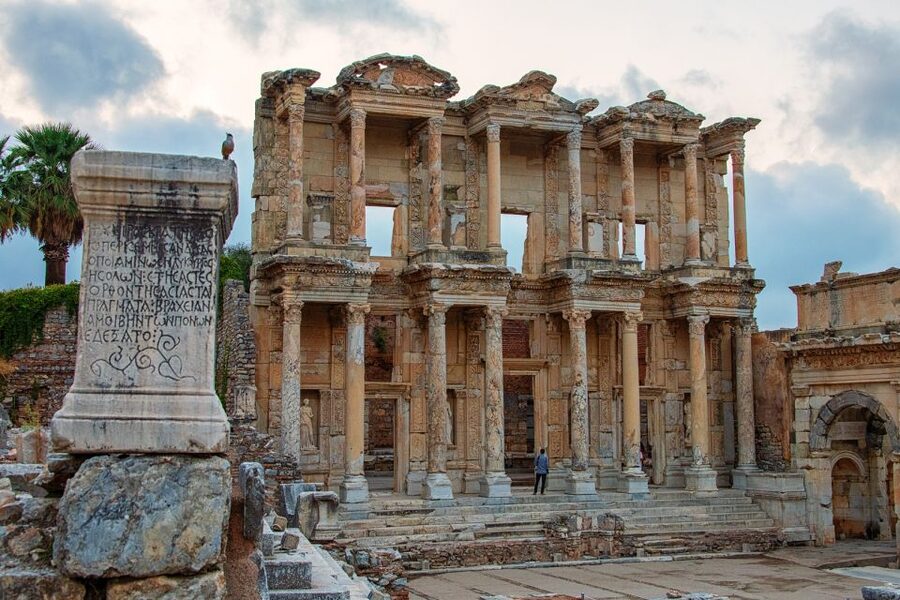
The Library of Celsus is likely to be the most memorable structure on the route. Its elaborate facade has been restored from ancient remains, and its scale gives you a clear sense of the city’s wealth and ambition.
The library is described as the third-largest in the Roman world. You do not need to be an ancient-history specialist to appreciate it. The symmetry, carved details, and commanding position make it one of Ephesus’s best stops for photographs and close viewing.
Allow yourself a moment here rather than treating it as a quick pass-by. This is one of the places where the guide’s explanation can add real value, especially when discussing the building’s place in Roman public life.
The Great Theater puts the city’s size into perspective
The Great Theater is a massive Hellenistic structure and another major highlight. Its size changes your understanding of Ephesus. After walking through smaller civic spaces, you reach a venue built to hold large crowds.
The theater also provides a strong sense of how public entertainment and gatherings fit into the city. You’ll see why it is one of the stops that makes the entire visit feel substantial.
The walk between the ruins can be tiring, especially during a warm day. The duration is eight to ten hours overall, and the Ephesus portion includes several stops on foot. Plan your energy for the main site rather than assuming the day will be mostly spent sitting in the vehicle.
The Temple of Artemis is a brief but important stop
The Temple of Artemis is included in the admission fee and is one of the ancient world’s seven wonders. Today, the remains are far less complete than the Library of Celsus or Great Theater, so you should not expect a fully preserved temple.
That contrast is part of the lesson. Ephesus gives you dramatic ruins, while the Temple of Artemis shows how fame can outlast the physical structure itself. The stop is usually shorter, but it matters because this was once one of the most celebrated monuments of the ancient world.
If you are comparing this trip with a visit focused only on Ephesus, the Temple of Artemis is a useful addition. It broadens the day beyond the Roman city and connects the area with an older religious tradition.
The shopping issue deserves your attention
The biggest concern is not the archaeological route. It is the possibility of extended commercial stops.
Some versions of the day have included visits described as leather and olive oil factories, though the experience can function more like a sales presentation. Reports of two separate stops lasting more than two hours are especially troubling. High-priced leather goods, pushy sales tactics, and a basement showroom were particular concerns on one day.
Another account described time spent listening to sales pitches for leather products and olive oil, with the stops taking more than half an hour each. That can leave you with less time for lunch and less patience for the ruins.
One day reportedly began with pickup around 7:35 a.m., followed by a late lunch at about 2 p.m. Lunch was then limited to roughly 45 or 50 minutes, while shopping stops received much more time. That is not a small scheduling flaw. It changes the character of the tour.
I recommend asking two direct questions before you pay:
- Are leather or olive oil stops included in this departure?
- Can you decline them and continue to Ephesus?
Do not assume that a stop called a factory will be a working production site. It may be a showroom with sales staff. If your priority is archaeology, make that clear when booking and confirm the answer in writing if possible.
Lunch and Turkish handcrafts
Drinks are not included, and lunch is not specifically listed among the included services. The itinerary gives you a chance to see traditional Turkish handcrafts, but it does not promise a particular workshop or product.
Lunch quality has also been uneven. One account described it as disappointing, while another described a crowded tourist hotel and a rushed meal. You should treat lunch as a practical break rather than a reason to book the tour.
Bring money for drinks and plan for the possibility that the meal will be basic. The more important issue is timing. A late lunch after an early pickup can be uncomfortable, particularly if commercial stops are added.
Is $128 a fair price?
At $128 per person, the price is reasonable if you want a guided day with transport and three major admission fees included. You are paying for hotel pickup and drop-off, a live English or Spanish guide, skip-the-ticket-line access, and entry to Ephesus, the House of the Virgin Mary, and the Temple of Artemis.
The price looks less attractive if the day includes long shopping stops. You cannot measure value only by the number of included sights. You also need enough time at those sights to enjoy them without being rushed.
The Terrace Houses are not included. If you want to see them, budget for the separate entrance fee. They are an optional add-on, so ask whether your group will have enough time for them before adding the cost.
Free cancellation up to 24 hours before departure and reserve-now, pay-later booking add flexibility. They do not solve the shopping concern, but they reduce the risk of committing too early if your plans may change.
Who will enjoy this day most?
I would recommend this tour to you if you want a convenient introduction to Ephesus and prefer a guide to explain the ruins as you walk. It works especially well if you are staying in Izmir, Kusadasi, or Selcuk and do not want to arrange separate transport and tickets.
It also suits you if the House of the Virgin Mary and Temple of Artemis are priorities. Both are built into the route, so you do not need to organize separate visits.
You may prefer another option if you want long, quiet time at the ruins, dislike sales visits, or want full control over lunch and pacing. Independent visitors can avoid the risk of extra commercial stops, though they would need to arrange transport, tickets, and interpretation themselves.
Guide Elder received specific praise, and the guide and driver were described as friendly on one day. That is encouraging, but guide quality and day management may vary. The archaeological content is strong. The commercial detours are the part you need to screen out.
Should you book this Ephesus day trip?
Book it if you want the main Ephesus sights explained in English or Spanish, plus the House of the Virgin Mary and Temple of Artemis, with hotel transport handled for you. The Library of Celsus, Great Theater, marble streets, and smaller civic ruins make the core visit worthwhile.
Before booking, confirm the policy on leather and olive oil stops. If the operator can give you a clear promise that the day will focus on the historical sites, $128 can be fair. If shopping visits are compulsory or open-ended, I would choose a more focused Ephesus tour instead.
FAQ
Where can I join this tour?
You can select hotel pickup in Izmir, Kusadasi, or Selcuk.
How long does the tour last?
The stated duration is eight to ten hours. Starting times depend on availability.
Which languages are available?
The live guide service is available in English or Spanish.
What entrance fees are included?
Admission to Ephesus, the House of the Virgin Mary, and the Temple of Artemis is included.
Are the Terrace Houses included?
No. Entrance to the Terrace Houses at Ephesus is not included.
What should I bring?
Bring your passport or identity card. A copy is accepted.
Are drinks included?
No. Drinks are not included in the tour price.
Just written up around Turkey
- City of Side: Eagle Canyon and Selge Ancient City Day Trip★ 4.1 · 124 reviews
- Side: Cabrio Bus and Boat Day Trip at the Green Lake★ 4.2 · 107 reviews
- From Marmaris: Pamukkale Cotton Castle & Hierapolis Day Trip★ 4.7 · 256 reviews
- Kas: Day Trip to Kekova, Demre and Myra★ 4.6 · 34 reviews
- From Kas: Day Trip to Kekova Island★ 4.7 · 95 reviews
- Kas: (Small Group) Day Trip to Kekova Island, Demre & Myra★ 4.7 · 78 reviews
- Istanbul: Day Trip to the Princes’ Islands★ 3.4 · 44 reviews
- Istanbul: Guided City Highlights Day Trip★ 4.5 · 45 reviews
Day Trips from Turkey, side by side.
From Antalya/Kemer: Pamukkale & Hierapolis Day Trip w/Meals
Read our review →

From city of Side: Antalya Old City and Waterfall Day Trip
Read our review →
Bursa & Uludag Mountain Day Trip w/ Opt. Cable Car
Read our review →
From Alanya: Green Canyon Day Trip with Lunch and Boat Ride
Read our review →
Side: Manavgat Boat, Bazaar, & Waterfall Day Trip with Lunch
Read our review →
From City of Side: Pamukkale & Hierapolis Day Trip w/ Lunch
Read our review →Lists this day trip turns up in