
Review · DAY TRIPS FROM FEZ
From Fes: 4-Day Trip to Marrakech via Merzouga & Gorges
The best part of this four-day crossing is the quick change of scenery: cedar woods and Barbary monkeys give way to red desert, towering Todra Gorges, and mud-brick kasbahs. The sunset camel ride and desert camp provide the trip’s big moment, while Ait Ben Haddou gives the final day a memorable historical stop.
I like the route’s variety and its practical value. You get three nights of accommodation, breakfasts, dinners, transport, and the camel ride for $342 per person. I also like the small-group option, with some departures carrying no more than five people. The main concern is pace: you cover a huge part of Morocco by road, and unclear plans or vehicle changes can make the long days feel harder.
Key points to know before booking
- The route crosses three major regions: the Middle Atlas, the Sahara near Merzouga, and the High Atlas on the way to Marrakech.
- The camel ride begins near Erg Chebbi: expect a sunset ride and a night in a desert camp, with sunrise the next morning.
- Todra Gorges gets real walking time: depending on the chosen route, you visit it on day two or day three.
- Ait Ben Haddou is paired with Ouarzazate: the final stretch includes the kasbah, Atlas Film Studios, and the Tizi n’Tichka Pass.
- The two route versions are not identical: confirm the exact order of stops before departure, especially the camp night and Todra Gorges stay.
- Simple meals and camp conditions are part of the deal: lunches, drinks, entry fees, and insurance cost extra, while desert tents may have little heat or hot water.
From Fes to the cedar forest near Azrou
The first morning begins with a long drive south from Fes toward the Middle Atlas Mountains. I like this opening because it eases you out of the city and into a very different part of Morocco. Ifrane, with its cooler mountain setting, is an early stop, followed by the cedar forest near Azrou.
The forest is known for its Barbary macaques. You may see them near the roadside, and you should keep your belongings secure and avoid treating them like tame pets. This is a short wildlife stop rather than a full nature walk, but it breaks up the drive and gives the first day some character.
From Azrou, the road continues to Midelt for lunch. Lunch is not included, so budget for it separately along with drinks. This is one reason the trip’s $342 price needs a little context: the headline cost covers the main touring services, but you will still pay for several meals and sightseeing tickets.
After Midelt, the scenery becomes drier and more open. The route includes panoramic stops before reaching Merzouga, though the length and number of photo breaks can depend on the driver and group. The day is a serious road journey, so I would not choose this trip if you want leisurely time in each town.
There are two versions of the four-day plan. One places your first night in a hotel near the dunes, with the camp on the second night. The other sends you to the desert camp on the first day. That difference matters. Confirm which version you are buying and ask for the daily order in writing before you leave Fes.
More Four-Day Trips in Fes:
- Agadir/Taghazout/Port: Sahara Desert 4×4 Day Trip with Lunch
★ 4.5 · 438 reviews - From Edinburgh: Isle of Skye and Hogwarts Express 4-Day Trip
★ 4.8 · 142 reviews - From La Paz: 4-Day Trip to San Pedro de Atacama w/Salt Flats
★ 4.2 · 109 reviews
Erg Chebbi at sunset, with a cold night ahead
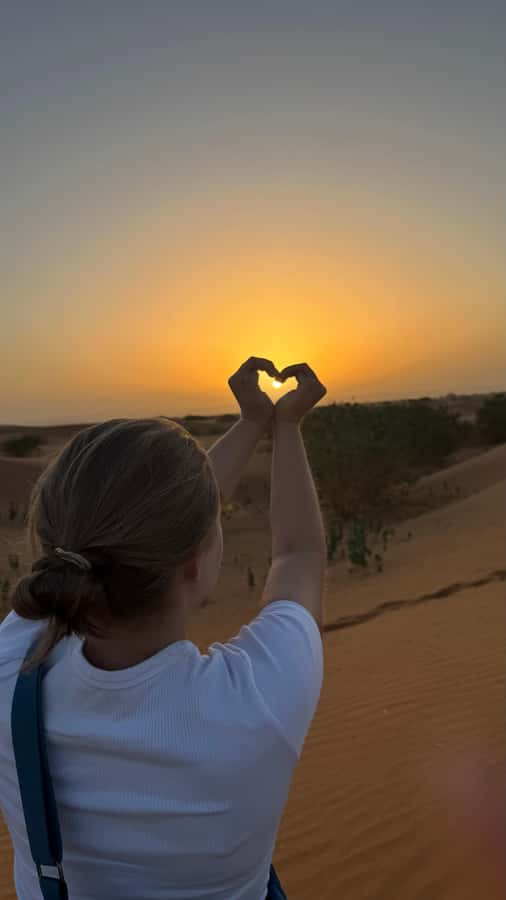
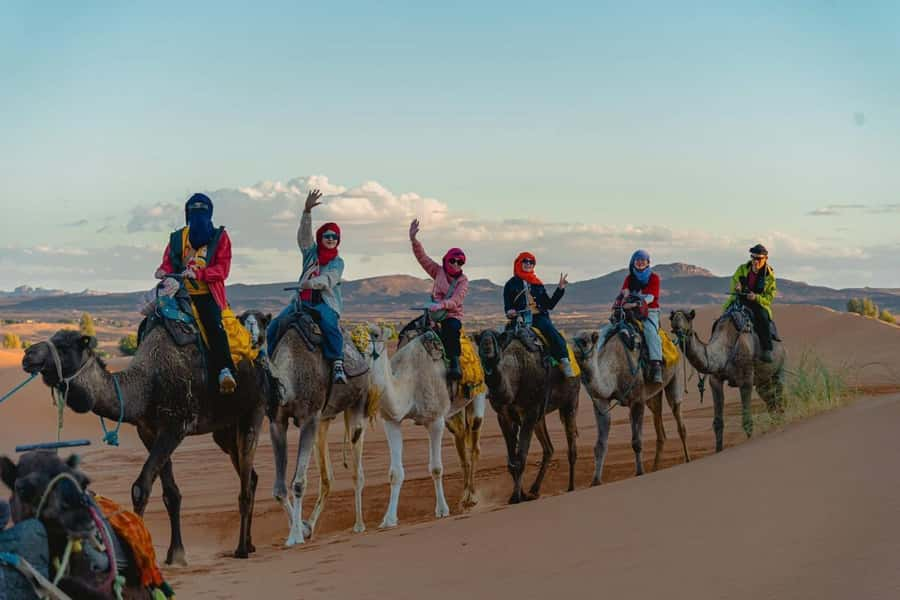
Merzouga is the trip’s main event. The Erg Chebbi dunes rise in broad waves near the town, and the camel ride takes you across the sand in time for sunset. This is a slower, quieter part of the trip after the long drive, though sitting on a camel can be uncomfortable if you are not used to it.
Bring a sun hat, sunscreen, and a camera. Long trousers are the sensible choice for the ride and for the evening, and the dress guidance asks you to avoid shorts and short skirts. Your passport or ID card should also be with you.
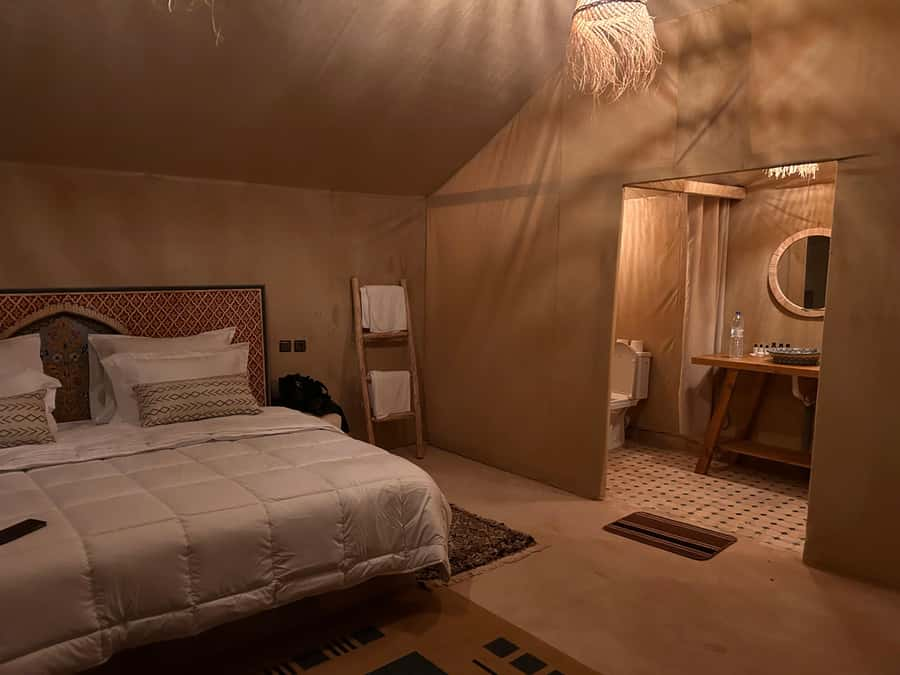
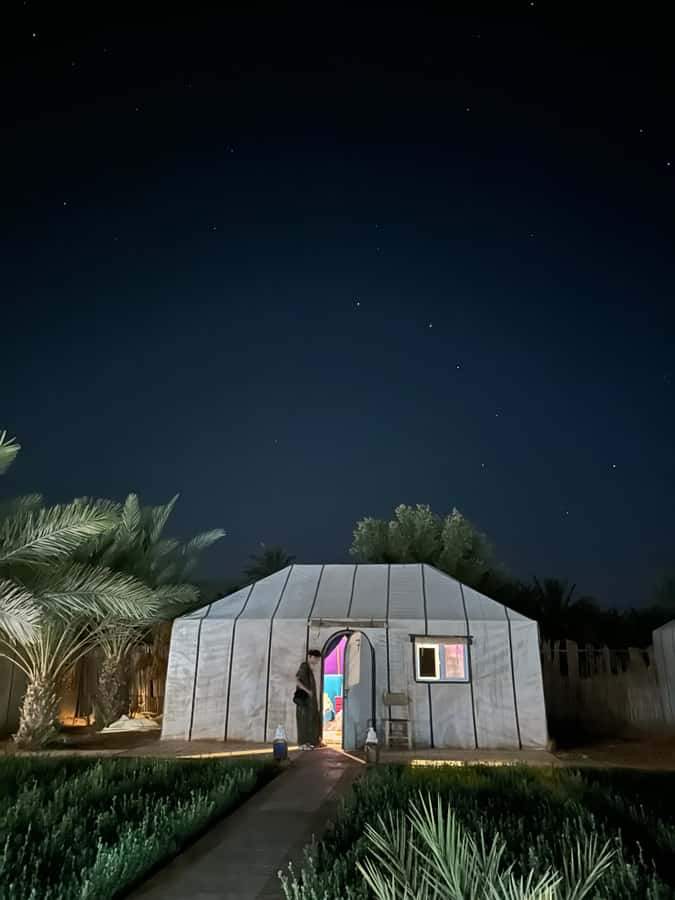
The desert camp is included, along with dinner and breakfast. Camp standards can vary, but the practical warning is clear: do not assume the tent will be warm or have a proper hot shower. One stay had no heating, temperatures below freezing at night, and only a weak stream of lukewarm water.
Pack a warm layer even outside winter. A tent can feel much colder than the afternoon sun suggests. Noise is another possible issue if several camps are close together. One stay was disturbed by music from late-night partygoers, so earplugs are a useful small addition to your bag.
The next morning starts with sunrise over the dunes. This is worth getting up for, but only if you prepare for an early start and a chilly walk outside the tent. Breakfast follows before the route continues through the desert region.
Khamlia, Rissani, and the desert towns
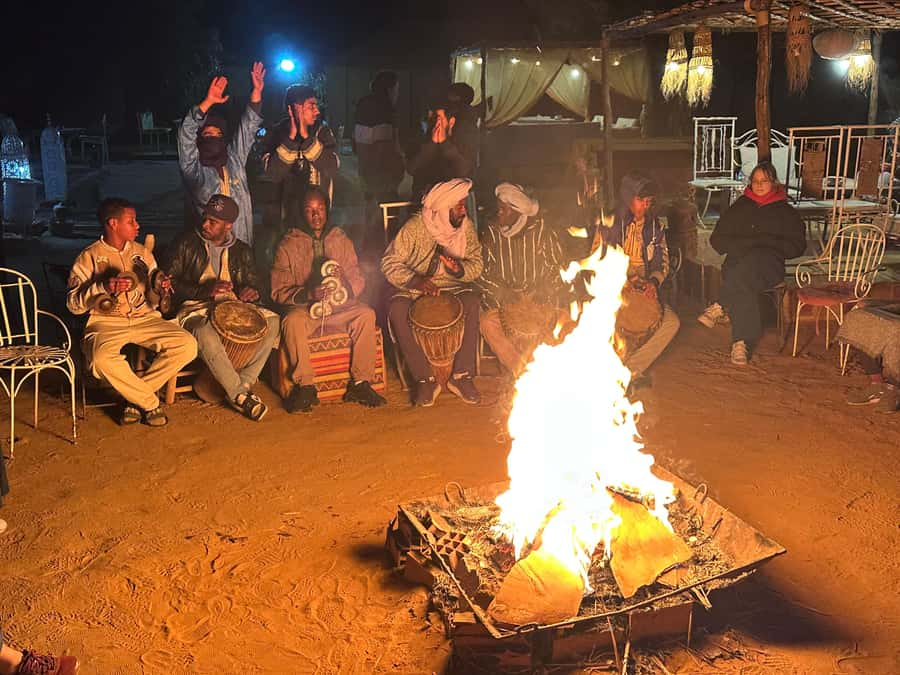
The Merzouga day, or the second day in the alternative version, adds local stops to the sand experience. You visit desert villages, the oasis, Khamlia, and Rissani. These stops help show that the Sahara is not just empty dunes. People live, farm, trade, and make music here.
Khamlia is associated with Gnawa music, a Moroccan tradition with roots in sub-Saharan Africa. The stop offers a cultural change of pace after the camel ride. You may also visit Rissani’s traditional market, where the atmosphere is more local than the purpose-built desert camp area.
Berber pizza is available as an optional tasting in Rissani and is not included. It is worth considering if you want something beyond the standard included meals, but remember that lunch costs are generally your responsibility.
The order of these stops varies. In one version, you explore the Merzouga area before the camp. In the other, you ride to camp immediately on the first day, then visit Rissani and Khamlia the next morning. Again, the precise schedule matters more than it might seem. A vague handover can leave you wondering whether you should wait at a hotel, a camp, or a meeting point.
Walking through Todra Gorges
Todra Gorges is one of the route’s strongest stops. The canyon walls rise sharply on either side of the road, creating a narrow passage with a very different feel from the open dunes. You have free time to walk through the canyon, and this is one place where sturdy shoes are more useful than stylish ones.
The exact timing depends on the option you choose. One route travels from Merzouga to Todra Gorges and then continues to Ouarzazate on the same day. The other spends the night near the gorge, then heads through the Dadès Valley the following day.
The overnight near Todra is the better arrangement if you care about having time on foot. The version that continues to Ouarzazate the same day packs more into the schedule, but it also means more hours in the vehicle. In either case, do not expect a full guided geology lesson. The tour focuses on seeing the gorge and walking through it, with the amount of explanation depending on your driver.
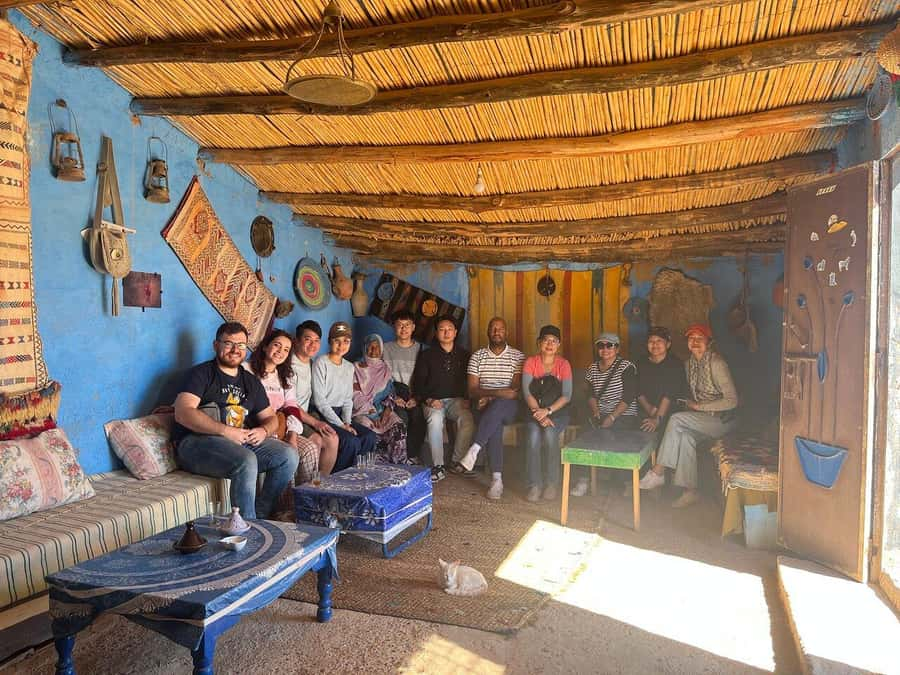
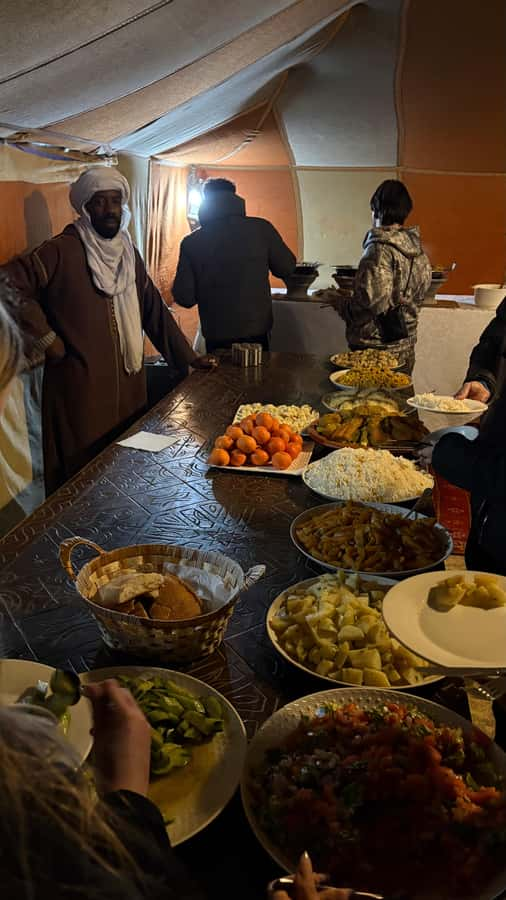
Accommodation is generally simple but can be comfortable. Dar Ayour near Todra was particularly well received, and La Perle du Sud in Ouarzazate was another strong stay. Meals, however, tend to be basic. Chicken tagine may appear more than once, and the food can feel repetitive across three nights.
More Day Trips in Fes:
- Chefchaouen Day Trip from Fez (Shared Group Tour)
★ 4.6 · 2,394 reviews - Fes: Volubilis Roman Ruins, Mouly Idriss, & Meknes Day Trip
★ 4.6 · 2,375 reviews - Blue City magic: Affordable Day Trip from Fez to Chefchaouen
★ 4.6 · 1,960 reviews - From Fez: Chefchaouen Day Trip with Hotel Pickup
★ 4.6 · 1,534 reviews
The Road of a Thousand Kasbahs to Ouarzazate
From Todra, the route follows the Dadès Valley and the road often called the Road of a Thousand Kasbahs. You will see fortified villages, palm-filled valleys, and earthen buildings spread along the route. The appeal is the steady change in color and architecture rather than one single landmark.
Ouarzazate is the natural base for this stretch. It is known as Morocco’s film capital, and the next day includes Atlas Film Studios. The studio visit adds a different layer to the trip. You see how Morocco’s dramatic settings have been used for movie production, though entry fees are not included.
The road days are long, and you should be realistic about the tradeoff. You can cover a remarkable distance between Fes and Marrakech in four days, but you cannot stop everywhere. Some drivers make frequent photo and rest stops, while others keep moving. A careful driver named Mohamed Buzga received especially strong praise, and other good drivers have been described as helpful, careful, and willing to stop when needed.
Communication can be uneven. Some drivers give useful local information, while others say little beyond the practical schedule. Before leaving each hotel, ask clearly about breakfast time, dinner time, pickup time, and the next meeting point. This simple habit can prevent much of the confusion reported on some departures.
Ait Ben Haddou and the climb over the High Atlas
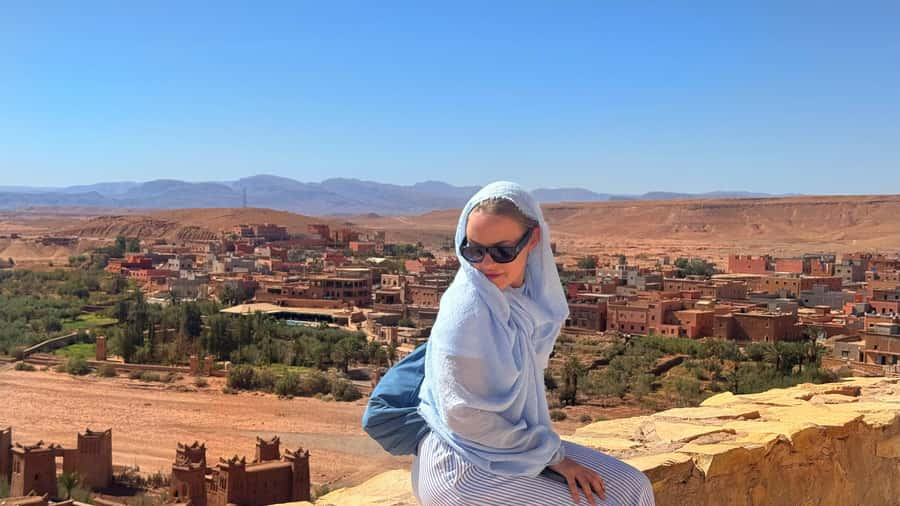
Ait Ben Haddou is the final major sight before Marrakech. The UNESCO-listed kasbah is made of earthen buildings grouped along a fortified settlement, and its setting makes it easy to understand why filmmakers use the area. You will have time to visit, but the stop is not a substitute for a full day in a historic town.
Wear shoes with a decent grip. The ground can be uneven, and you may walk uphill through the old settlement. The structure is best appreciated from a little distance as well as from inside, so use your time for both views.
After Ait Ben Haddou, the road climbs through the High Atlas via the Tizi n’Tichka Pass. The route includes scenic stops, but weather and road conditions can affect timing. You should expect a winding mountain drive rather than a quick final transfer.
Arrival in Marrakech is planned for around 6:00 PM, with hotel drop-off. That time is useful for planning, but treat it as an estimate. A long route, mountain traffic, or a vehicle change can alter the arrival.
Transport, group size, and the human factor
Transport is by air-conditioned minivan or minibus, depending on group size. Private and small-group departures are available, and the smaller format can make photo stops and questions easier. One well-liked departure never exceeded five people, while larger groups may use a minibus.
The vehicle experience is not always identical. Some vans have been clean, comfortable, and in excellent condition. One departure had inactive rear windows and a door, which made a long ride less pleasant. Another had an unannounced change to a local taxi for the final stretch.
Vehicle handovers are the main practical weakness to watch. Drivers may change between sections, and the last transfer may not use a clearly marked tour vehicle. Keep your phone charged, save the accommodation name, and ask who is collecting you before each change.
The tour is not suitable for wheelchair users. You also need to respect departure times. This is not a route where arriving ten minutes late is harmless, since the next hotel or transfer may be many hours away.
What $342 per person really buys you
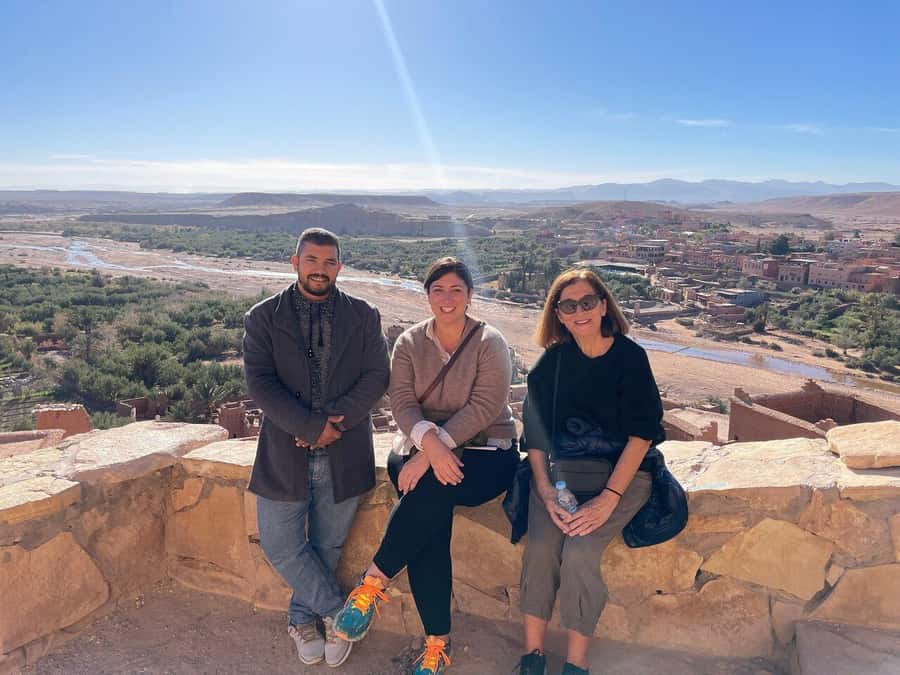
At $342, the package offers strong coverage for four days. You receive transport, a professional driver, three nights of accommodation, breakfasts, dinners, and the camel ride. The route includes several major Moroccan sights that would be difficult to connect independently in such a short time.
The value is best if you want a direct Fes to Marrakech transfer with major stops included. Hiring separate transport, arranging desert accommodation, and organizing the canyon and kasbah visits would likely take more planning, even before adding meals and fuel.
The price does not cover lunches, drinks, entry fees, or travel insurance. Add those costs before comparing it with a private car or a longer organized trip. You are also paying with time: much of the four days is spent on the road, and the schedule leaves limited room for unscheduled exploration.
Accommodation is generally adequate, with some notably good hotels and riads. Do not book it expecting boutique luxury throughout. The desert camp is the least predictable part, especially for heating, water, and nighttime noise.
Who should choose this route
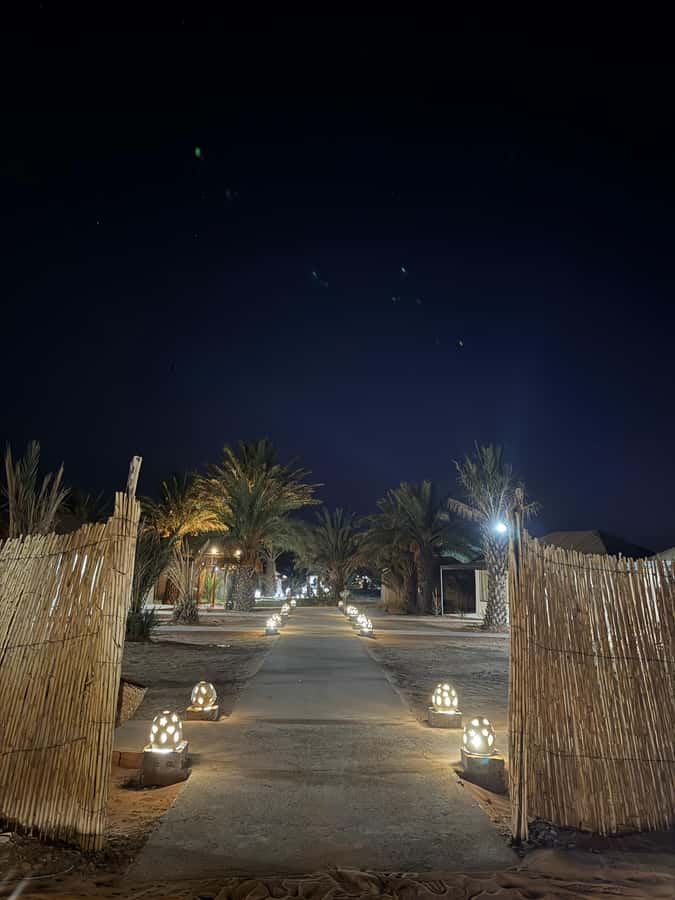
I would recommend it to you if you have only four days, want to cross Morocco from Fes to Marrakech, and care more about seeing major sights than lingering in one place. It suits active visitors who can handle long drives, basic camp conditions, early starts, and changing accommodation.
It is also a good fit if you want the desert experience without planning the transport yourself. The camel ride, sunset, camp dinner, sunrise, Todra Gorges, and Ait Ben Haddou give the route a strong sequence of memorable stops.
I would hesitate if you need exact schedule control, quiet accommodation, detailed guiding, or generous time at every stop. The route can be well handled, but communication is not always consistent. Confirm your option, ask for the full day-by-day plan, and make sure you know where each night will be spent.
Free cancellation is available up to 24 hours before departure, and you can reserve now and pay later. Those terms help if your Morocco plans are still shifting, but they do not remove the need to check the actual route before booking.
Should you book this Fes to Marrakech desert trip?
Book it if the main goal is a broad taste of Morocco in four days: Middle Atlas forests, Sahara dunes, Gnawa music, Todra Gorges, kasbahs, film studios, and a High Atlas crossing. The price is fair for the amount of ground covered, especially with a small group and a careful driver.
Skip it if you want a slow desert holiday or a polished, fully guided experience. The best way to protect your time is to confirm which of the two route versions you are taking, pack for cold desert nights, budget for extras, and ask every driver about the next departure. With those expectations set, this is an efficient and visually powerful way to travel from Fes to Marrakech.
FAQ
How long is the tour?
The tour lasts four days and ends with hotel drop-off in Marrakech, planned for around 6:00 PM on the final day.
What languages do the drivers speak?
Drivers may speak English, French, or Arabic.
Is the camel ride included?
Yes. A camel ride across the Erg Chebbi dunes at sunset is included.
Are meals included?
Breakfasts and dinners are included. Lunches, drinks, and entry fees are not included.
Are there different route options?
Yes. One option spends the first night in a hotel near Merzouga and the second night at the desert camp. The other places the camp night on the first day and includes Todra Gorges on the second day. Confirm the exact option before departure.
What should I bring?
Bring your passport or ID card, sun hat, camera, and sunscreen. Warm clothing is also sensible because desert nights can be very cold, and some camps may not have heating.
Just written up around Fes
- Rabat: Full-Day Trip From Fes★ 5.0 · 23 reviews
- From Fes: Meknes Volubilis and Moulay Idriss Day Trip★ 4.5 · 540 reviews
- From Fez : Memorable Day Trip to Chefchaouen the Blue City★ 4.1 · 147 reviews
- Day trip to meknes ,volubilis , moulay idris★ 4.5 · 83 reviews
- Memorable Day Trip From Fez to Chefchaouen the Blue City★ 4.4 · 117 reviews
- From Fez: Middle Atlas Mountains Day Trip★ 4.5 · 148 reviews
- From Fez: Volubilis Moulay Idriss & Meknes Full-Day Trip★ 4.8 · 27 reviews
- From Fez: Middle Atlas Mountains Day Trip★ 4.3 · 135 reviews
Day Trips from Fez, side by side.
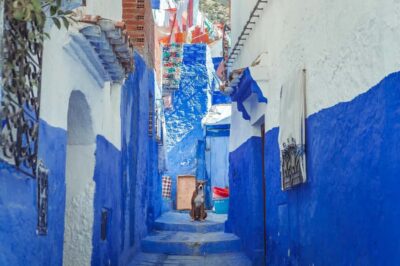
Chefchaouen Day Trip from Fez (Shared Group Tour)
Read our review →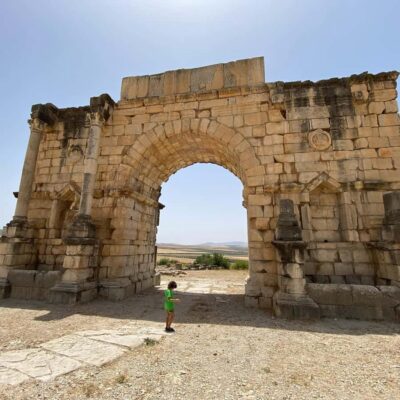
Fes: Volubilis Roman Ruins, Mouly Idriss, & Meknes Day Trip
Read our review →
Blue City magic: Affordable Day Trip from Fez to Chefchaouen
Read our review →
From Fes: Volubilis, Moulay Idriss, & Meknes Full-Day Trip
Read our review →
Middle Atlas Day Trip with Ifrane National Park
Read our review →
From Fes: Meknes Volubilis and Moulay Idriss Day Trip
Read our review →
Lists this day trip turns up in